
5 Steps to Master Safe Socialization and Play: Easy Guide for Gresham Dog Owners
- Green Acres K-9 Resort
- Feb 26
- 5 min read

Hey there, neighbors! Mark Griffin here from Green Acres K-9 Resort. If you’re living around Gresham or Boring, you know how lucky we are to have such beautiful spots to get outside with our furry family members. Whether you’re heading to the Springwater Corridor or just hanging out in the backyard, we all want our dogs to be social butterflies.
But here’s the thing we see every day at the resort: socialization isn't just about "meeting other dogs." It's a complex, science-backed process that helps your pup navigate the world without fear or aggression. We believe that a well-socialized dog is a happy dog, and a happy dog makes for a much more peaceful home for you.
In this guide, we’re breaking down five easy steps to master safe socialization, grounded in canine ethology and behavior science. We’re not just talking about theories; we’re talking about the same principles we use right here when we’re out in the yards with your pups, picking up tennis balls and making sure everyone is playing fair.
1. Learn the "Language" of Play
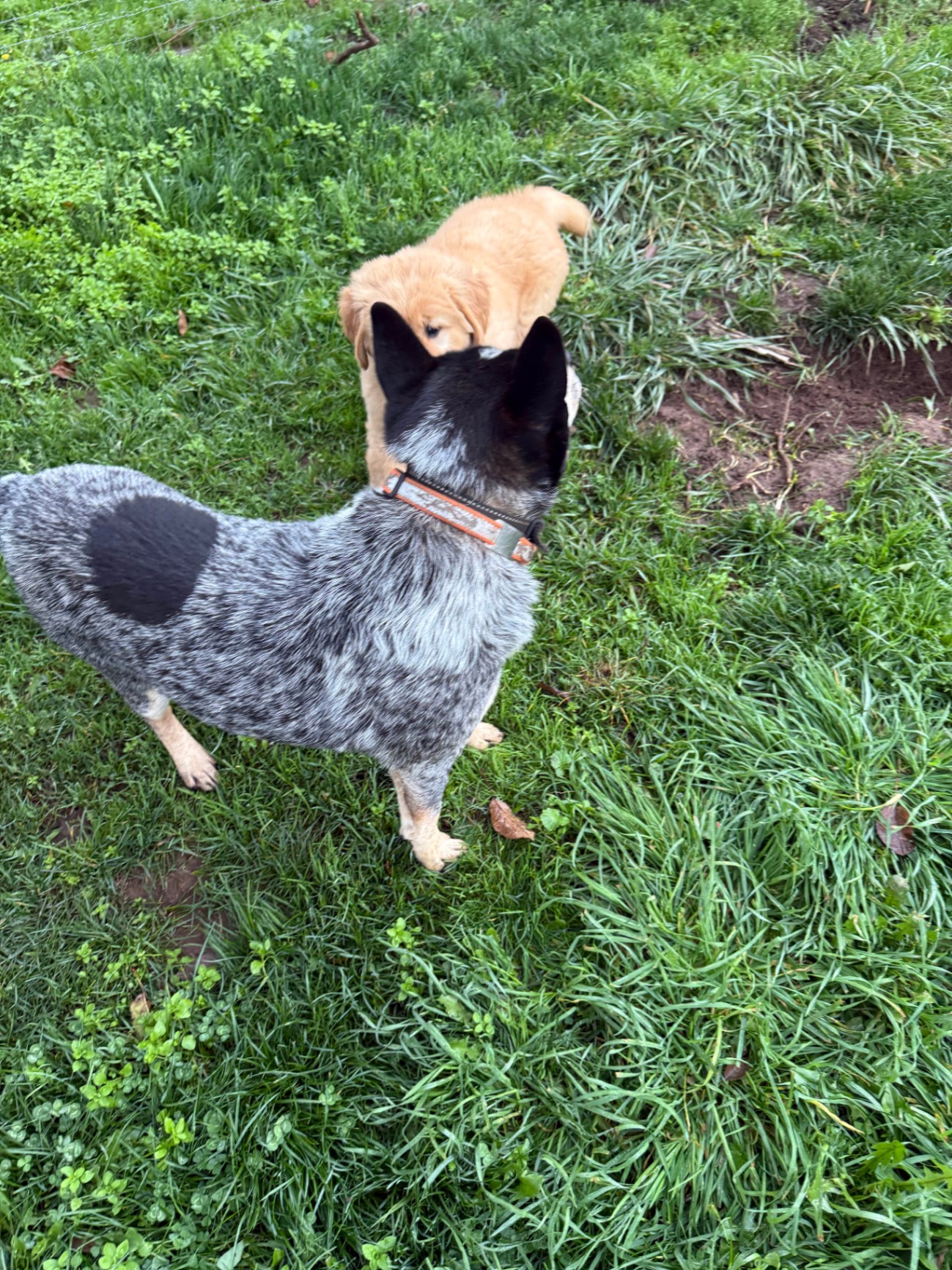
Before you even step into a park in Gresham, you need to know what your dog is saying. Dogs don't use words, but they are constantly communicating through "meta-signals." According to researchers like Marc Bekoff, dogs use specific behaviors: like the classic "play bow": to signal that everything following it is "just for fun" and not a real threat.
When we watch the dogs here at Green Acres K-9 Resort, we look for "loose" body language. A safe, social dog has a wiggly body, an open mouth, and soft eyes. If you see a dog freeze, stare intensely, or tuck their tail, that’s a signal that they are feeling overstimulated or threatened.
Understanding the "Cut-off Signal" is also vital. This is when a dog looks away or starts sniffing the ground suddenly. They aren't being rude; they’re trying to de-escalate a situation. By recognizing these science-based cues, you can step in before a play session turns into a scuffle.
2. The Power of Neutral Territory
One of the biggest mistakes we see is trying to introduce two dogs in a confined space or on one dog’s "home turf." Dogs are naturally territorial animals. Science shows that "leash reactivity" is often heightened when a dog feels trapped or forced to guard their owner.
If you’re meeting up with a friend in Boring for a doggy playdate, try starting with a "parallel walk." Instead of letting them go nose-to-nose immediately, walk them in the same direction on opposite sides of the street. This allows them to get used to each other’s scent and movement without the pressure of direct eye contact, which in the dog world can be seen as a challenge.
We strive to create a neutral, stress-free environment here at the resort because we know that when a dog feels safe and un-pressured, their best personality traits come forward.
3. Use the "3-Second Rule" for Play Breaks
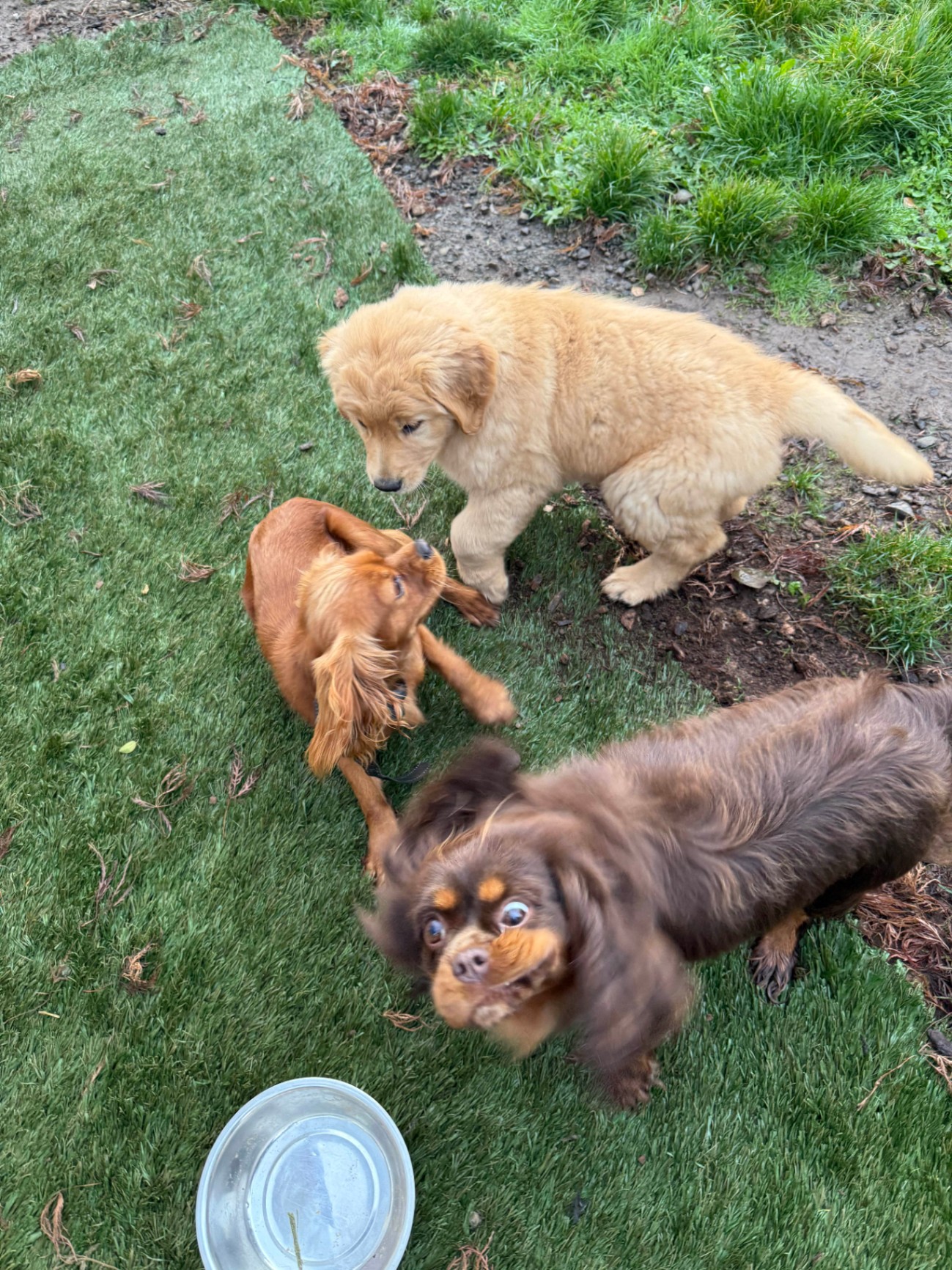
In the heat of a good romp, adrenaline levels (cortisol and epinephrine) spike. Even in healthy play, these levels can get too high, leading to what behaviorists call "trigger stacking." This is when a dog becomes so hyped up they lose their ability to "think" and simply react.
At Green Acres, we practice the 3-second rule. If play looks a bit intense, we gently separate the dogs for just three seconds. If both dogs shake off (a "reset" behavior) and want to go back to each other, the play is consensual and safe. If one dog walks away or hides, the session is over.
This simple, science-backed interruption prevents overstimulation and teaches your dog that you are the one who manages the energy levels, which builds an incredible amount of trust between you and your K-9 pet.
4. Quality Over Quantity (The Critical Window)
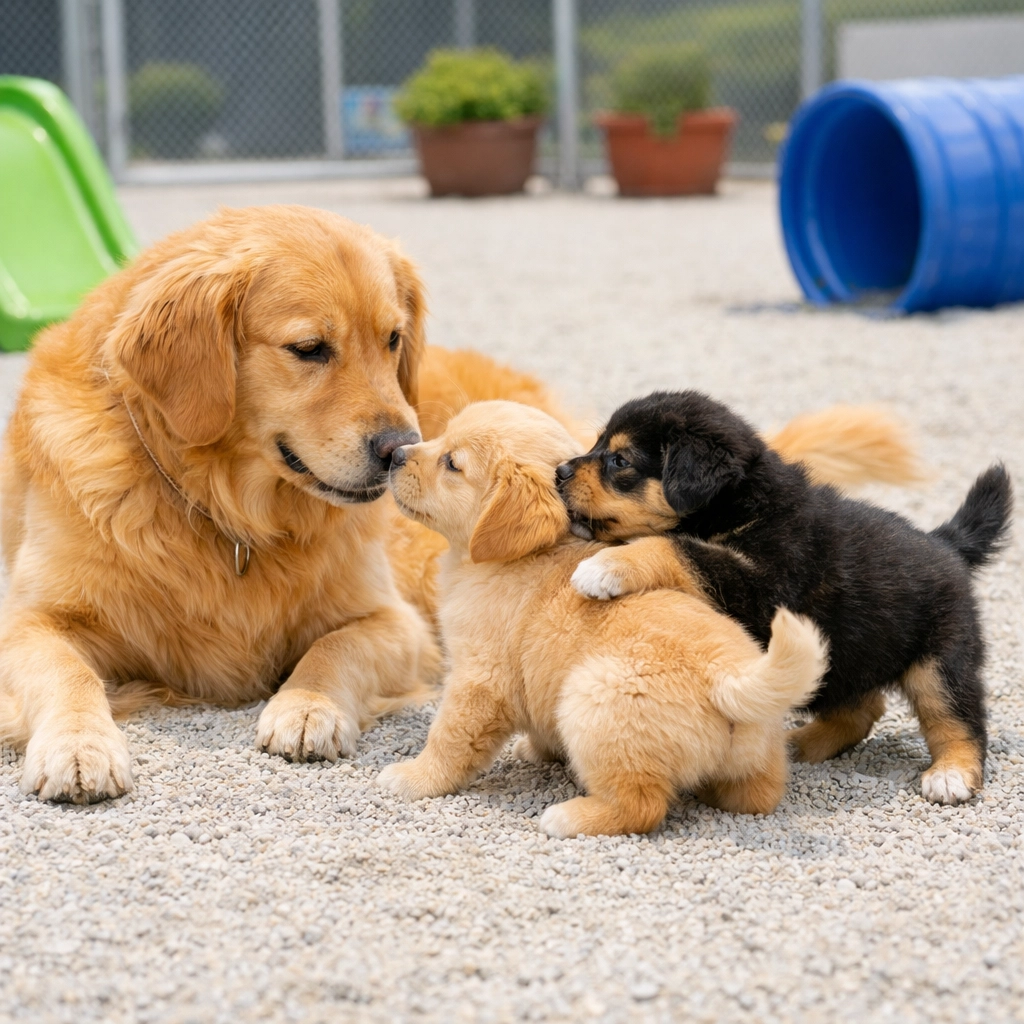
There’s a common myth that you need to introduce your dog to 100 people and 100 dogs. Science tells a different story. The "sensitive period" for socialization in puppies is generally between 3 and 16 weeks of age. During this time, one bad experience can be just as impactful as ten good ones.
For adult dogs, socialization is about maintaining those positive associations. It’s better to have one calm, successful interaction with a balanced dog than five chaotic minutes at a crowded, unsupervised dog park. We believe in curated playgroups where temperaments are matched by professionals. If your dog is a "wallflower," we don't force them into the middle of a wrestling match. We let them observe from a distance until their confidence grows.
5. Focus on Reciprocal Interaction
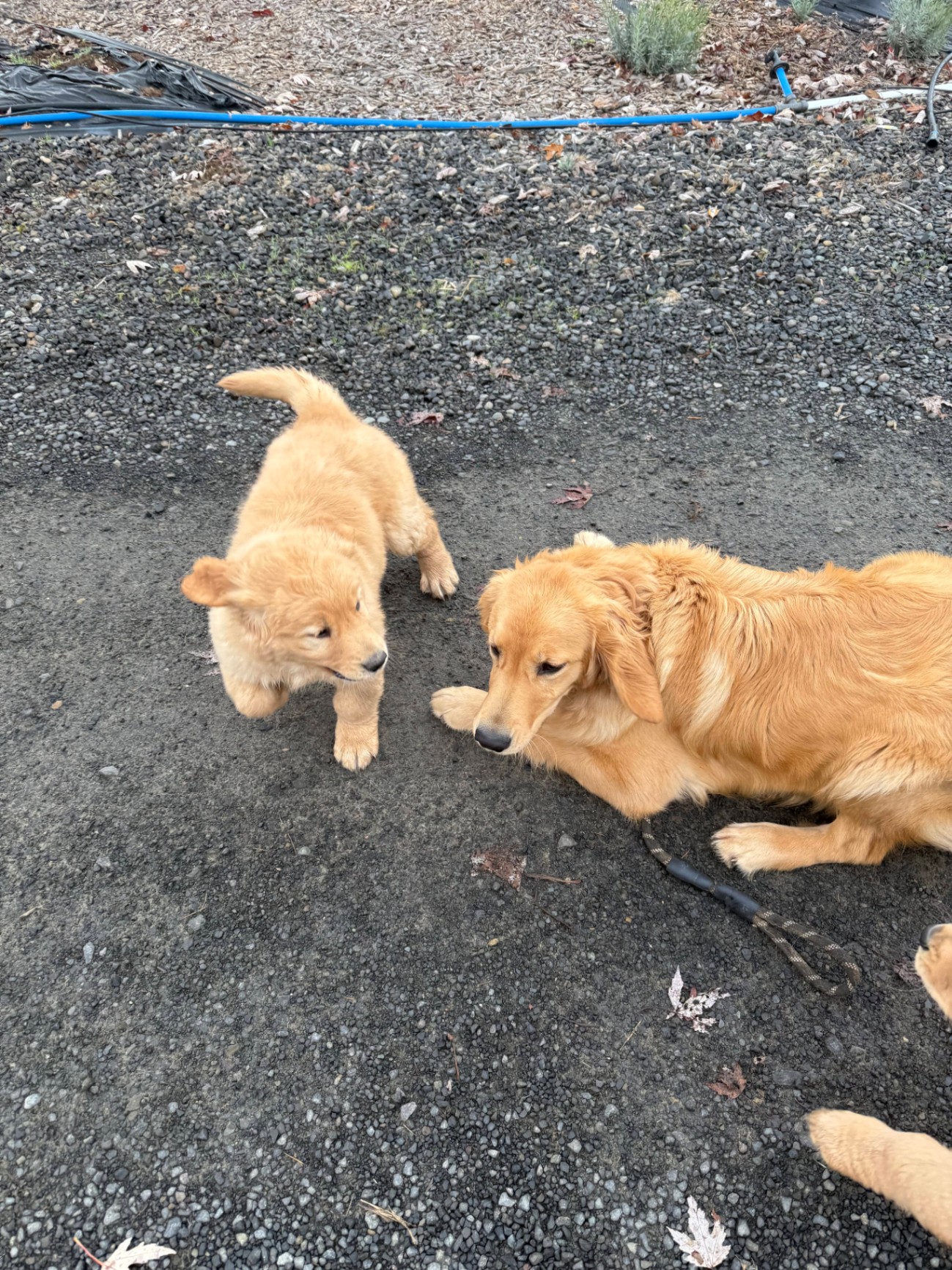
Healthy play should look like a choreographed dance. Researchers categorize this as "reciprocity." In a good play session, the roles should flip. One dog is the "chaser," then the other becomes the "chaser." One dog is on top, then they switch.
If you notice one dog is always the "aggressor" and the other is always trying to get away, that’s not socialization: that’s bullying. We keep a very close eye on these dynamics in our yards. If we see the balance shift, we step in to guide the dogs into a more positive rhythm. This ensures that every dog leaves our care feeling more confident, not more fearful.
Home Integration Tip: The "Safe Zone" Protocol
Bringing the spirit of safe socialization home is key to a peaceful household, especially if you have kids or are introducing a new pet.
The Tip: Create a "No-Interact Zone" for your dog. This is a specific bed or crate where no one: not even the kids: is allowed to touch or bother the dog. When your dog goes there, they are "off the clock." This gives them a way to self-regulate their social battery. By respecting this space, you teach your dog that they don't have to use growling or snapping to get space; they just have to go to their spot. It’s a simple way to reduce anxiety and build a deeper bond of respect in your family.
Why We Care So Much
At Green Acres K-9 Resort, we treat your dogs like our own because, to us, they are. Whether we're out in the rain ensuring the play yards are clean or spending extra time with a shy puppy, we’re personally invested in the well-being of the Boring and Gresham dog community. We know that your dog isn't just a pet; they're a family member, and they deserve the highest level of care and scientific understanding.
Socialization isn't a one-time event: it’s a lifelong journey of learning and bonding. We’re here to help you every step of the way, whether through our daycare services or just by sharing what we’ve learned over the years.
Stay pawsitive, Gresham!
: Mark Griffin & The Green Acres Team
Bibliography & Peer-Reviewed Sources
Bekoff, M. (1995).Play signals as punctuation: the structure of social play in canids. Animal Behaviour, 50(2), 419-429. (Study on the "play bow" and how dogs communicate intent).
Howell, T. J., King, T., & Bennett, P. C. (2015).Puppy parties and beyond: the role of early age socialization practices on adult dog behavior. Veterinary Medicine: Research and Reports, 6, 143. (Research on the critical socialization window).
Miklósi, Á. (2007).Dog Behaviour, Evolution, and Cognition. Oxford University Press. (Comprehensive overview of canine social communication and behavior).
Overall, K. L. (2013).Manual of Clinical Behavioral Medicine for Dogs and Cats. Elsevier Health Sciences. (Scientific approach to identifying stress signals and overstimulation in domestic dogs).
Shyan-Norwalt, M. R. (2005).Similarities and differences in the play of juvenile and adult dogs. Journal of Applied Animal Welfare Science, 8(3), 225-230. (Analysis of reciprocal play patterns).
Comments