
7 Mistakes You're Making with Dog Socialization (and How Portland Dog Daycare Pros Fix Them)
- Green Acres K-9 Resort
- Feb 16
- 5 min read

Look, we get it. You love your dog and want them to be the friendliest pup at the Boring dog park. But here's the thing, we see it every day at our daycare: well-meaning dog owners accidentally teaching their dogs the exact opposite of good social skills.
After years of working with dogs in our structured daycare environment, we've learned that proper socialization isn't about letting your dog say "hi" to everyone. It's about teaching calm confidence, impulse control, and reading social cues. Let's dive into the seven biggest mistakes we see and how we fix them with our dogs here in the Portland metro area.
Mistake #1: Forcing Your Dog to "Just Say Hi"
We can't tell you how many times owners bring their dogs to us and say, "I don't understand, I let him greet everyone, but he's getting more reactive on leash!"
Here's what the science tells us: forced interactions create problems across the board. Research shows that shy dogs become more fearful, confident dogs become pushy, nervous dogs learn avoidance, and reactive dogs become more explosive when we force greetings.
How We Fix It at Green Acres: We allow dogs to observe before interacting. Distance is your friend. We believe that calm neutrality builds stability, so we never force a meet-and-greet. Our dogs learn that watching quietly from a distance is actually the goal, not pulling toward every dog they see.
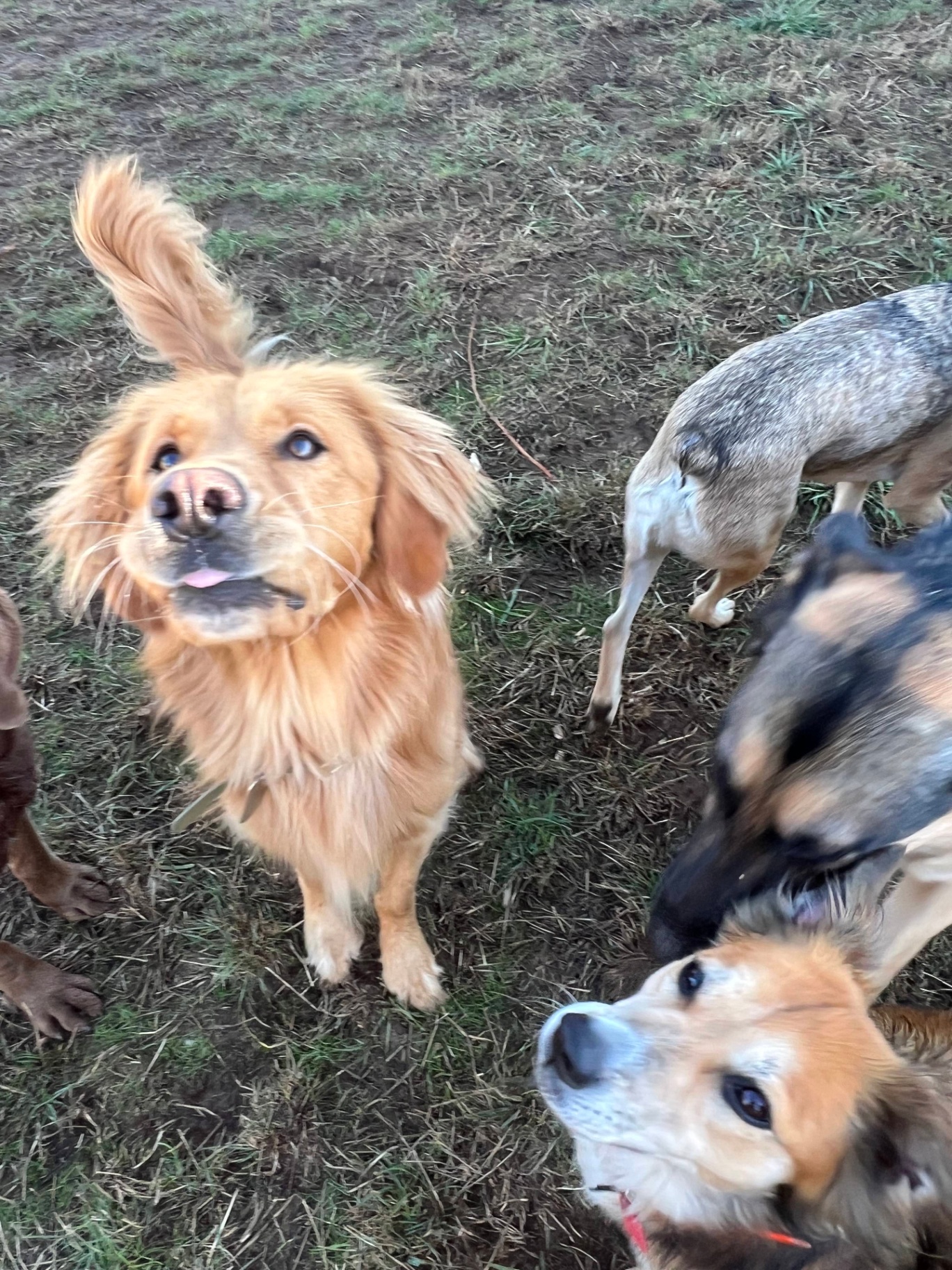
Mistake #2: Thinking Dog Parks Equal Socialization
Dog parks seem like the perfect solution, right? Free, convenient, plenty of dogs. But here's what we've learned: dog parks are where dogs learn survival skills, not manners.
The environment is unpredictable, unknown dogs, unknown owners, zero structure. Studies on canine behavior indicate that unstructured, chaotic environments can actually increase stress hormones and create negative associations with other dogs.
How We Fix It: We provide structured playgroups with carefully matched dogs. Every dog in our facility is temperament-tested, and we maintain consistent group dynamics. This isn't just about safety, it's about teaching your dog what appropriate play actually looks like.
Mistake #3: Mistaking Excitement for Confidence
Your dog pulls, whines, and lunges to greet other dogs. That's a confident, friendly dog, right? Not exactly.
What looks like enthusiasm is often overstimulation. Research in canine emotional regulation shows that dogs who can't control their arousal levels are actually experiencing stress, not joy.
How We Fix It: We reward calmness, period. Before any dog at Green Acres gets to interact with a playmate, they need to show us they can handle their excitement. We teach impulse control through structured routines, and we never reward frantic behavior with the thing the dog wants.
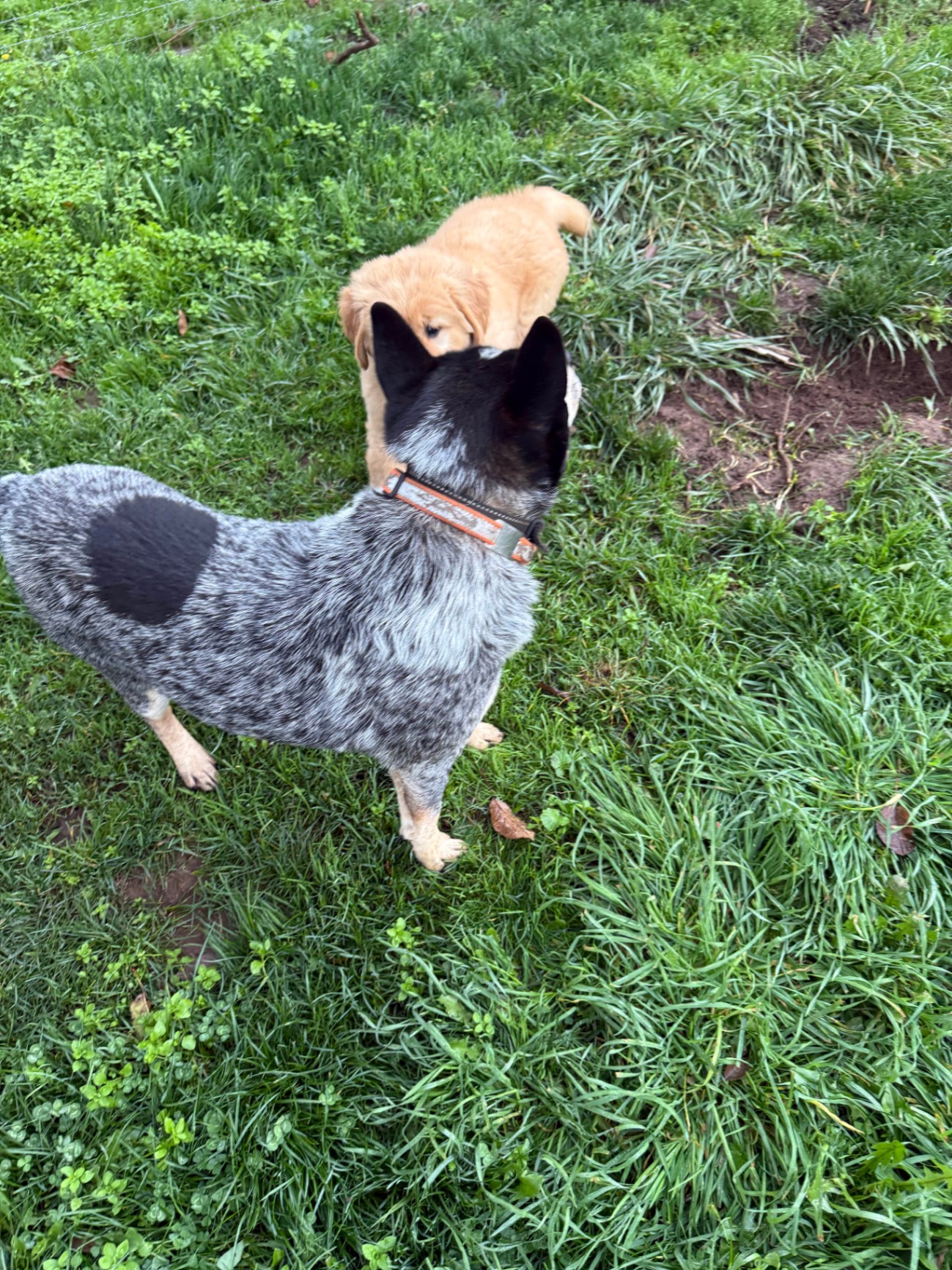
Mistake #4: The "Throw Them in the Deep End" Approach
Some owners think the fastest way to socialize a nervous dog is to flood them with experiences. We call this the "exposure therapy gone wrong" mistake.
The neuroscience is clear here: overwhelming a dog's nervous system creates trauma, not confidence. When dogs experience too much, too fast, their brains literally can't process it all, leading to negative associations that can last a lifetime.
How We Fix It: Gradual exposure is our mantra. We introduce new experiences in bite-sized pieces, always ending on a positive note. A nervous dog might start by just watching playtime from a quiet room. Then maybe watching through a fence. Then a brief, calm introduction to one balanced dog. Baby steps build real confidence.
Mistake #5: Comforting Fear Away
Your dog is scared at the vet, so you pet them and say "it's okay, it's okay" in a soothing voice. Seems caring, right? But you're accidentally telling them, "Yes, you should be afraid right now."
Behavioral studies show that comforting a fearful dog reinforces the emotional state. We're essentially validating their fear response.
How We Fix It: We stay calm and matter-of-fact. If a dog is nervous, we don't coddle: we confidently guide them through the situation. We use our body language and energy to communicate, "This is no big deal, and I've got this handled." Dogs take their emotional cues from us, so we strive to be the calm, confident leader they need.
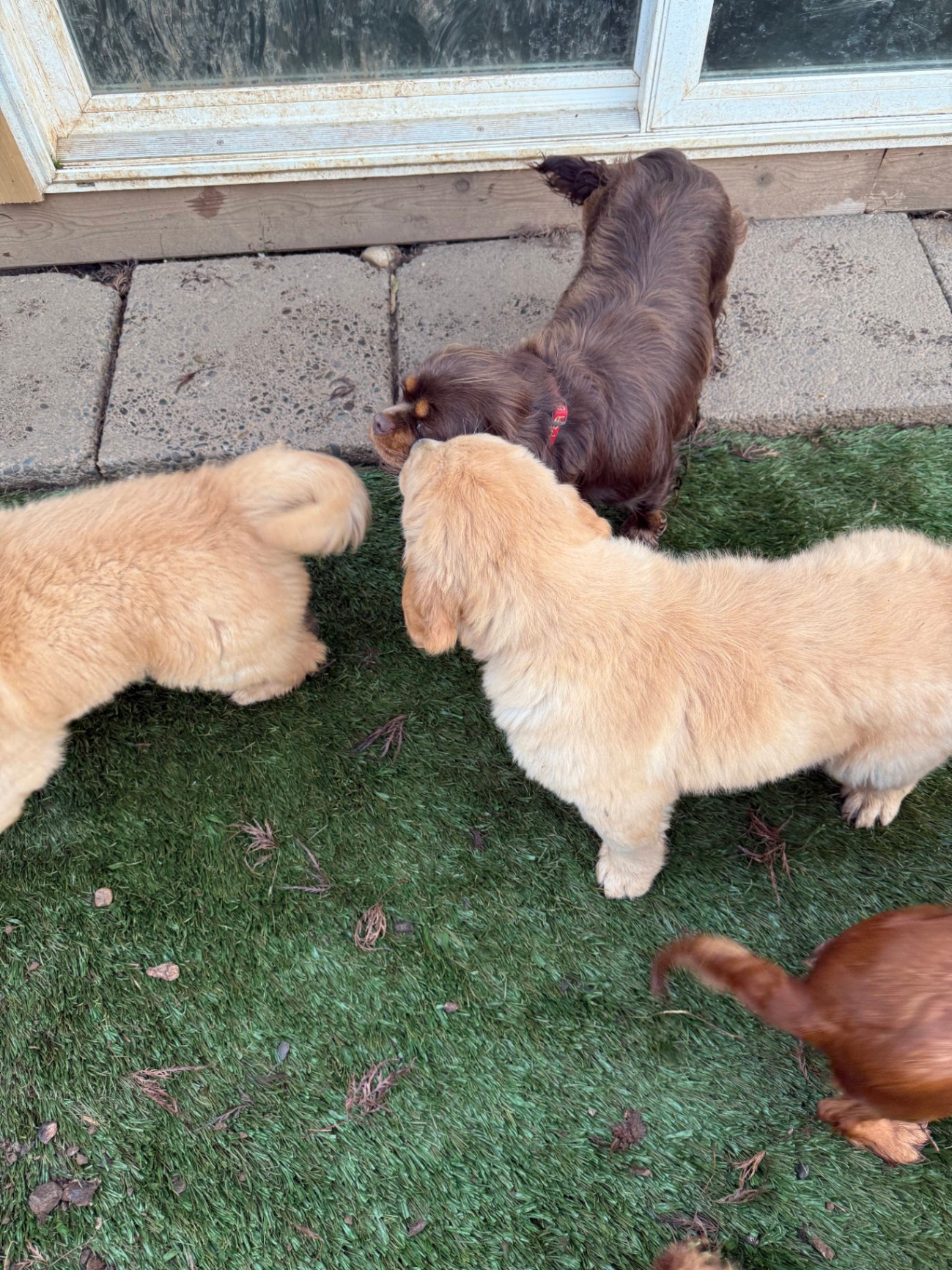
Mistake #6: Ignoring Body Language Red Flags
This one breaks our hearts because it's so preventable. Many owners simply don't know what stress looks like in dogs, so they miss the warning signs until a growl or snap happens.
Research in canine communication has identified dozens of stress signals: panting when it's not hot, lip licking, whale eye (showing the whites of their eyes), a tucked tail, stiff posture, yawning, and turning away.
How We Fix It: Every member of our team is trained to read dog body language like a second language. We intervene at the first sign of discomfort: not the tenth. We believe prevention is always better than correction, and we teach our human clients what to watch for so they can advocate for their dogs at home.
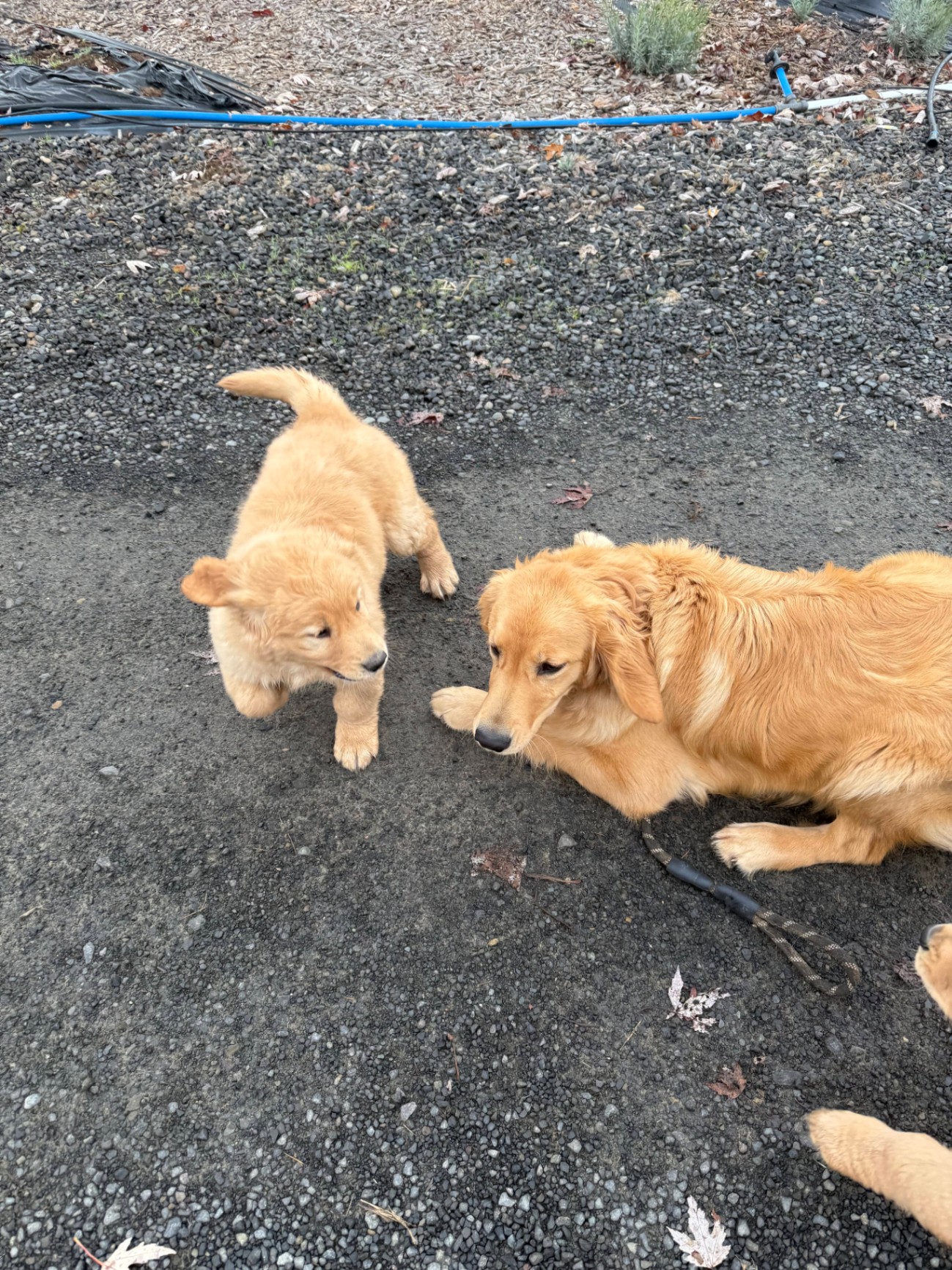
Mistake #7: Teaching Your Dog That Everyone Is Theirs to Greet
Here's the tough love moment: your dog doesn't have an automatic right to greet every person and dog they see. When we allow this, we're teaching them that others are more valuable than we are.
Studies on leash reactivity show that "frustrated greeters": dogs who expect to meet everyone: often develop leash aggression, barrier frustration, and poor impulse control as they mature.
How We Fix It: We teach dogs that we are the most important thing in their world. At Green Acres, dogs learn to check in with humans, not fixate on other dogs. We're selective about introductions, and we never allow rude behavior (like rushing up to another dog) to be rewarded.
Your Home Integration Tip
Here's something you can start today: Practice the "Look at That" game with your dog. When you see another dog on a walk, before your dog reacts, say "look at that!" in a happy voice and reward them with a treat when they glance at the other dog calmly. Then turn and walk away.
You're teaching your dog that seeing other dogs = treats from you = calmness. Over time, increase the difficulty by getting slightly closer or staying in sight a bit longer. This simple exercise builds the foundation for calm, confident social skills.
Why This Matters for Boring-Area Dog Owners
Living in the Boring area means we have amazing access to trails, open spaces, and a tight-knit community of dog lovers. But it also means our dogs encounter lots of other dogs and wildlife. Teaching proper socialization isn't just about being polite: it's about safety and quality of life for you and your K-9 pet.
We see ourselves as partners in your dog's development. Whether your pup comes to us for daycare once a week or every day, we're committed to building the social skills that make them a joy to live with. Every interaction, every playgroup, every correction is an opportunity to teach: and we take that responsibility seriously.
Final Thoughts
Socialization isn't a checkbox you complete by six months of age. It's an ongoing process that requires patience, knowledge, and consistency. The mistakes we've covered aren't signs that you're a bad dog owner: they're just gaps in understanding that we can fill together.
At Green Acres K-9 Resort, we don't just watch dogs: we teach them. And we believe that educated, confident dogs make for happier families. If you're in the Portland metro area and want to give your dog the gift of proper socialization, we'd love to meet you both.
Bibliography and Scientific Sources
Comments