
How to Choose the Best Dog Boarding in Boring Oregon for High-Needs Pets
- Green Acres K-9 Resort
- 12 hours ago
- 5 min read

Finding a place to stay for your four-legged family member is never an easy task. If you’re the parent of a "high-needs" pet: one who struggles with severe separation anxiety, requires a complex cocktail of daily medications, or is navigating the delicate golden years of seniorhood: that task can feel downright impossible. You aren’t just looking for a kennel; you’re looking for a second home where the staff cares as much as you do.
At Green Acres K-9 Resort, we’ve dedicated our lives to being that second home. We understand that your dog isn't "difficult": they just have a unique set of requirements that traditional, high-volume boarding facilities often overlook. Whether you’re searching for the best dog boarding in Boring Oregon or exploring holistic dog boarding daycare grooming Portland options, choosing the right environment is a decision rooted in trust, science, and a whole lot of love.
In this guide, we’re going to walk through how to evaluate a facility specifically for high-needs pets, focusing on three main pillars: the anxious and sensitive dog, the age-specific needs of seniors and puppies, and a "service-first" approach to medical care.
Understanding the "High-Needs" Label
When we talk about high-needs pets, we’re referring to dogs who need more than just a bowl of kibble and a 15-minute walk. High-needs dogs often fall into three categories:
Anxious & Sensitive: These are the pups who tremble at loud noises, pace when away from home, or struggle with the "bark-heavy" environment of a standard kennel.
Age-Specific: This includes seniors with mobility issues or puppies who need careful socialization and frequent potty breaks.
Medical & Physical: Dogs who require daily injections, specialized diets, or post-operative monitoring.
We believe that every dog, regardless of their challenges, deserves a vacation while you’re on yours. But to make that happen, you need to know exactly what to look for when touring facilities in the Boring and Gresham areas.
Pillar 1: The Anxious & Sensitive Dog
Science tells us that chronic stress in dogs leads to elevated cortisol levels, which can suppress the immune system and lead to behavioral regression. For a dog with separation anxiety, a loud, high-traffic boarding facility can be a nightmare.
When searching for specialized services for anxious dogs, look for a facility that prioritizes a "low-arousal" environment. This means smaller playgroups, quiet resting zones, and staff trained in canine body language. We strive to create a space where dogs feel safe enough to actually rest. If a dog is constantly on edge, they aren't having a good time.
We often recommend starting with a trial run. If you're curious about how this works, you can read more about how holistic dog boarding can help anxious pets.

What to Ask the Facility:
"How do you handle a dog that won't stop barking or pacing?"
"Are there quiet areas away from the main kennel 'noise'?"
"Do you offer one-on-one enrichment time for dogs that don't enjoy group play?"
Pillar 2: Age-Specific Care (Seniors and Puppies)
Caring for Our Seniors
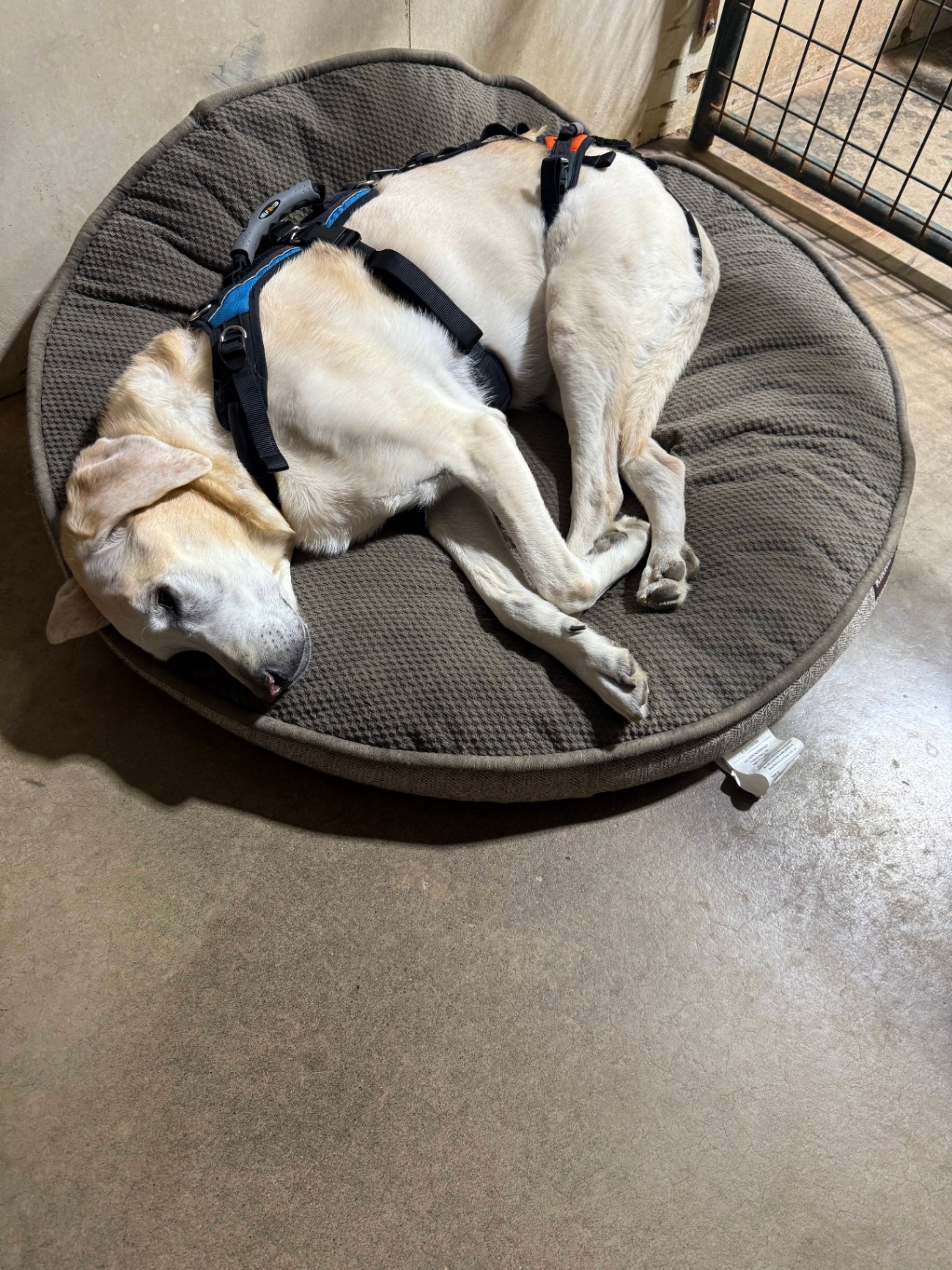
Senior dogs are near and dear to our hearts. We personally know the heartbreak of watching a companion slow down. For these "old souls," the boarding environment must be physically accommodating. Concrete floors are hard on arthritic joints; we look for non-slip surfaces and orthopedic bedding.
Medical boarding for seniors isn't just about giving a pill; it's about monitoring for subtle changes in appetite, gait, or cognitive function. We believe that aging shouldn't mean staying behind. If you are a senior dog owner, you might find our guide to stress-free medical boarding particularly helpful for your next trip.
Puppy Socialization
On the flip side, puppies have "high needs" for a different reason: they are sponges for learning. A bad experience at a boarding facility can lead to lifelong fear. We use a holistic approach to ensure that puppies are socialized in a way that builds confidence rather than causing overwhelm. We use gravel and grass surfaces to mimic natural environments and provide supervised interactions.

Pillar 3: Service-First (The "Ungramorous" Tasks)
A true high-needs resort is defined by the tasks the staff performs when no one is watching. This is what we call our "Service-First" pillar. It includes:
Medication Administration: This is more than just "pills in a hot dog." It’s timing insulin shots perfectly with meals, documenting every dose, and having the patience to hand-feed a dog who is too nervous to eat.
Structured Daycare: Instead of a "free-for-all" play yard, high-needs pets benefit from structured intervals of play and rest. You can learn more about our structured daycare options here.
Hypoallergenic Grooming: Many high-needs dogs also suffer from skin sensitivities. A holistic approach includes using products that won't cause flare-ups during their stay.
We often tell our clients that we aren't just watching their dogs; we are managing their health and happiness. We take pride in the "unglamorous" parts: cleaning up after a senior dog's accident without a hint of frustration or spending twenty minutes coaxing a shy pup out of their shell.
The Boring, Oregon Advantage: Why Location Matters
Being located in Boring, Oregon, gives us a unique advantage for high-needs pets. We are far enough away from the frantic pace and noise of downtown Portland to provide a peaceful, rural atmosphere, yet close enough for a convenient drop-off on your way to the airport or the mountains.
The air is fresher, the environment is quieter, and the pace is slower. For a dog who is easily overstimulated, this change in "vibe" can make all the difference in their cortisol levels. We believe that a natural environment is a healing environment.

Red Flags to Watch For
When you are touring facilities in the Portland/Gresham/Boring area, keep an eye out for these red flags:
The "One-Size-Fits-All" Mentality: If a facility says every dog goes into the same large playgroup regardless of temperament, walk away.
Smell and Noise: While some dog scent is normal, a strong ammonia smell indicates poor sanitation. Constant, frantic barking usually means the dogs are stressed and under-stimulated.
Vagueness Regarding Meds: If they can't show you a log of how they track medication administration, they shouldn't be handling your dog’s health.
No Trial Required: For a truly high-needs pet, a responsible facility will insist on a trial day or overnight before a long stay.
A Family Promise
We started Green Acres K-9 Resort because we wanted a place that met the standards we have for our own pets and our own children. We aren't a giant corporate chain; we are a dedicated team that knows every dog by name. We believe in transparency, science-backed care, and the power of a gentle hand.
Choosing the right boarding is about more than just a kennel; it’s about peace of mind. You shouldn't have to worry about your senior dog’s joints or your anxious pup’s heart while you're away.
If you’re ready to see the difference a holistic, caring approach can make, we invite you to explore our full range of services. Whether it's specialized grooming for sensitive skin or medical boarding for your senior, we’re here to help you and your K-9 pet.
Visit us at greenacresk9resort.com to book a tour or schedule a trial stay. We can't wait to meet you and your furry family member!
Bibliography & Science-Based References
Dreschel, N. A. (2010).The effects of fear and anxiety on health and lifespan in dogs. Applied Animal Behaviour Science. (Explores how chronic stress impacts canine physiology).
Hekman, J. P., et al. (2012).Salivary cortisol concentrations and behavior in a population of caged confinement dogs. Journal of Veterinary Behavior. (Studies the link between environmental noise and stress hormones).
Overall, K. L. (2013).Manual of Clinical Behavioral Medicine for Dogs and Cats. Elsevier Health Sciences. (The gold standard for understanding specialized care for anxious and reactive pets).
Landsberg, G., et al. (2012).Behavioral Problems of the Dog and Cat. Saunders. (Discusses the management of cognitive dysfunction in senior dogs).
Comments