
How to Integrate Holistic Care With Your Dog's Daily Routine in Boring
- Green Acres K-9 Resort
- Apr 14
- 5 min read

Living here in Boring, Oregon, we are blessed with space, fresh air, and a community that truly treats its four-legged residents like family. At Green Acres K-9 Resort, we see your dogs as more than just "pets." They are living, breathing, sentient family members who deserve a life that supports their biological, emotional, and physical needs.
When we talk about "holistic care," we aren't just talking about lavender oil or fancy crystals. For us, holistic care means looking at the "whole" dog: integrating nutrition, movement, mental engagement, and emotional peace into a seamless daily rhythm. It’s about creating a lifestyle that mimics the natural environment dogs evolved to thrive in.
We know life gets busy. Between work, school runs, and maintaining our beautiful Oregon properties, it can feel overwhelming to add "holistic wellness coach" to your resume. The good news? Integrating these practices is simpler than you think. Let’s dive into how you can bring the Green Acres philosophy into your Boring, OR home.
The Foundation: Species-Appropriate Nutrition
Everything starts with the gut. Science increasingly shows a direct link between the canine gut microbiome and their behavior, skin health, and longevity. Modern commercial kibble is often high in starches and fillers like corn and soy, which can lead to chronic inflammation: a primary driver of many diseases we see in dogs today.
At our resort, we believe that farm-fresh food is the cornerstone of vitality. To integrate this at home, you don’t necessarily have to switch to a 100% raw diet overnight. Start by adding "real" food toppers to their bowl. A bit of steamed broccoli, a raw egg, or some blueberries provides antioxidants and live enzymes that processed food lacks.
Research published in the Journal of the American Veterinary Medical Association suggests that adding fresh vegetables to a dog's diet can significantly reduce the risk of certain cancers. When we feed our own dogs here at the resort, we’re not just filling bellies; we’re fueling immune systems.
Movement and the Power of the "Sniffari"
We all know dogs need exercise, but in a holistic routine, quality beats quantity. While a high-energy game of fetch is great for cardiovascular health, it also spikes cortisol (the stress hormone). To balance this, we recommend "Sniffaris": slow walks where your dog leads with their nose.
A dog’s sense of smell is roughly 10,000 to 100,000 times more acute than ours. When they sniff, they are processing information about the world, which lowers their heart rate and provides immense mental satisfaction. Since we are lucky enough to live in the Boring and Damascus area, take your dog to a local trail and let them spend 20 minutes sniffing one single bush if they want to.
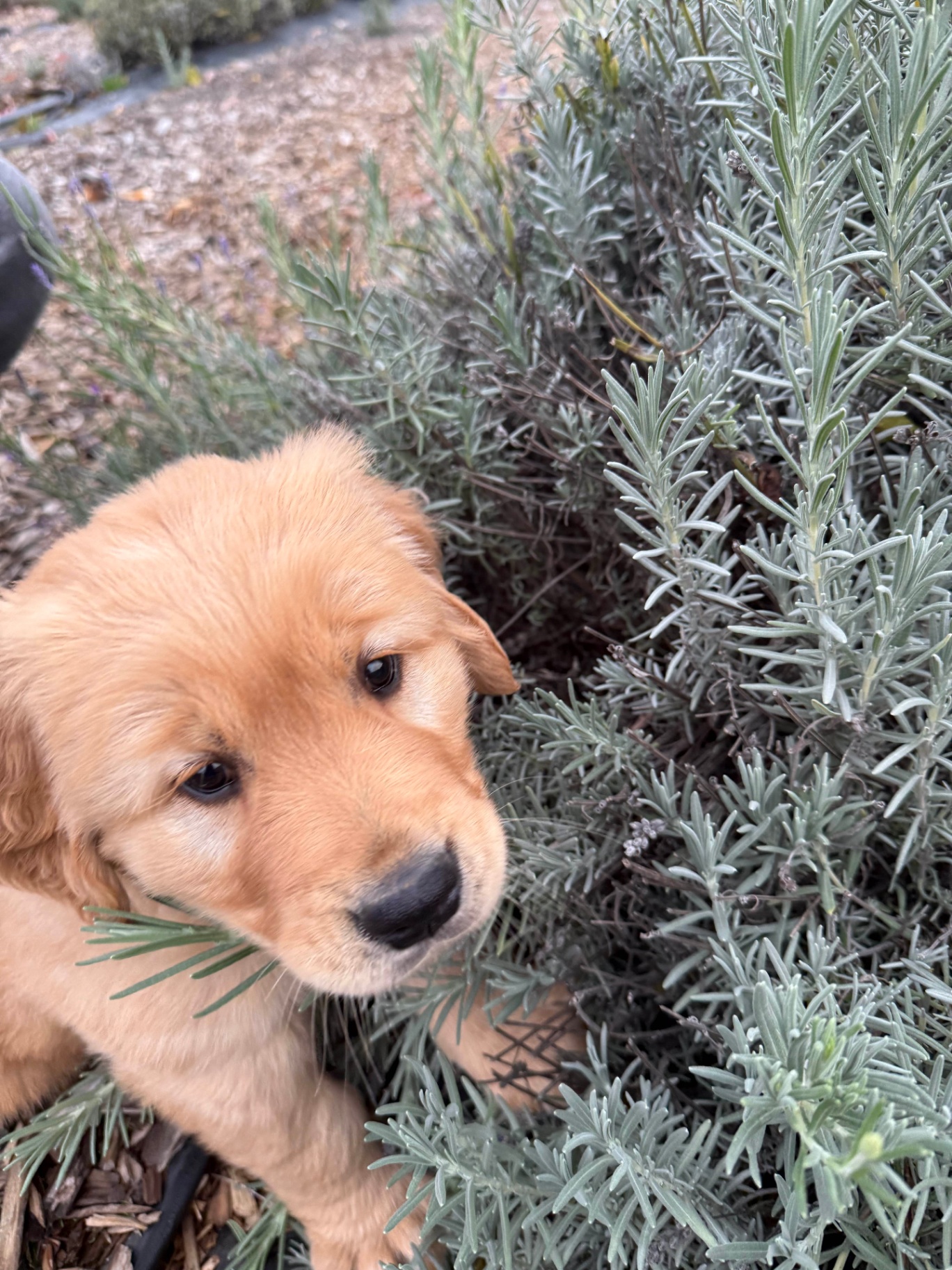
In our daycare program, we prioritize these sensory experiences. Our outdoor areas are designed to let dogs be dogs: digging, sniffing, and exploring different textures like grass, mulch, and gravel.
Mental Enrichment: Keeping the Brain Sharp
A bored dog is often a destructive or anxious dog. Holistic care acknowledges that the brain needs as much "weightlifting" as the legs. Integrating mental stimulation doesn't have to take hours.
You can use "ditch the bowl" tactics. Instead of putting their dinner in a standard bowl, use a puzzle feeder or hide small piles of food around the living room. This taps into their natural scavenging instincts. This type of "contrafreeloading": the phenomenon where animals prefer to work for their food: has been shown to increase dopamine levels and overall life satisfaction in canines.
We often tell our neighbors that 15 minutes of nose work or puzzle-solving is as tiring for a dog as an hour-long run. If you're looking for more ways to jumpstart this, our blog has several guides on enrichment-based play.
Creating a "Recovery Zone" for Rest
One of the most overlooked aspects of holistic care is sleep. An adult dog needs 12 to 14 hours of sleep per day, and puppies need even more. Without quality REM sleep, dogs become irritable, their immune systems weaken, and they struggle to learn new behaviors.
In our Boring facility, we emphasize "quiet time" just as much as "playtime." At home, you can integrate this by creating a dedicated Recovery Zone. This should be a quiet corner away from the hustle and bustle of the kitchen or TV room.
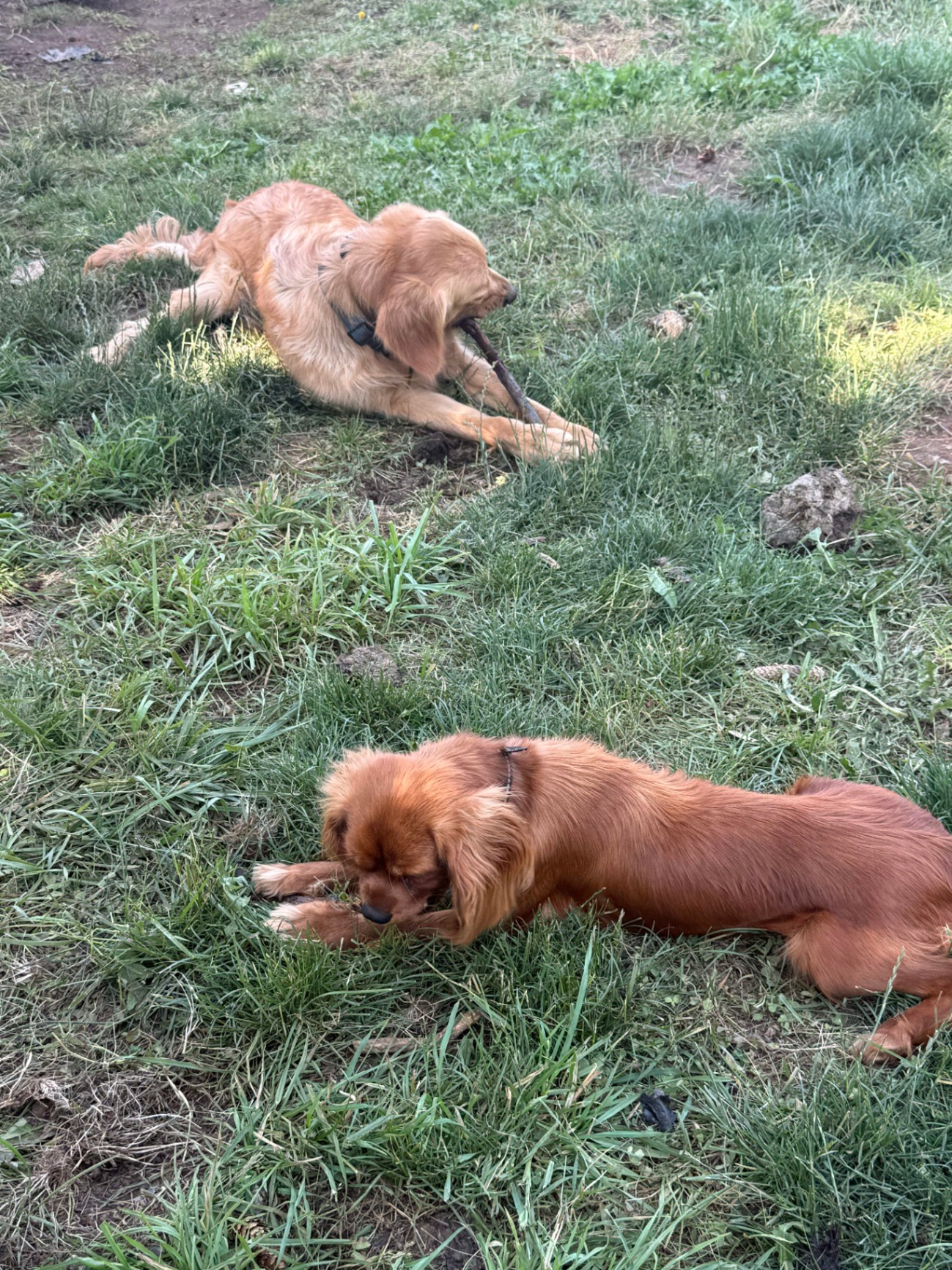
Using a high-quality orthopedic bed helps support joint health, especially as our Oregon winters can be hard on older pups. We believe that providing a safe, predictable space for rest is an act of love. When your dog is in their zone, teach the family (especially the kids) that "dog on the bed means do not disturb."
Socialization as a Biological Necessity
Dogs are pack animals. However, socialization doesn't mean forcing your dog to play with every dog they meet at the park. In fact, that can be quite stressful! Holistic socialization is about positive and controlled exposure to other dogs and environments.
If your dog is social, regular playdates or a structured daycare environment can provide the social "exercise" they crave. Seeing our "regulars" interact at Green Acres is one of the highlights of our day. We watch the subtle body language: the play bows, the soft eyes, the gentle nuzzling: and we see how it grounds them.
If you’re interested in the science behind why this matters, check out our post on the science of play and socialization. It explains how social interaction regulates the nervous system and prevents long-term behavioral issues.

Home Integration Tip: The "Evening Calm" Ritual
To help your dog transition from a busy day to a restful night, we suggest implementing a 5-minute "Evening Calm" ritual.
The Tip: Sit on the floor with your dog. Using a slow, gentle touch (long strokes from the top of the head to the base of the tail), perform a mini-massage. This stimulates the vagus nerve, which flips the switch from the "fight or flight" nervous system to the "rest and digest" system. Not only does this help your dog sleep better, but it has been scientifically proven to lower the human's blood pressure as well! It’s a holistic win-win for the whole family.
Final Thoughts from the Farm
Integrating holistic care into your dog’s routine isn't about being perfect; it's about being intentional. We know the challenges of muddy paws and busy schedules because we live them too. Whether it’s choosing a better treat, letting them sniff a little longer on a walk, or simply ensuring they have a quiet place to nap, every small change makes a difference in their long-term health.
If you ever feel overwhelmed or want to learn more about how we implement these practices on a larger scale, feel free to contact us or swing by. We’re always happy to chat with our Boring neighbors about making life better for our K-9 best friends. For more information on our holistic approach, you can read our guide for local pet owners.
Bibliography & Peer-Reviewed Sources
Raghavan, M., et al. (2005). "Evaluation of the effect of dietary vegetable consumption on reducing the risk of transitional cell carcinoma of the urinary bladder in Scottish Terriers." Journal of the American Veterinary Medical Association, 227(1), 94-100. (On the benefits of fresh food).
Duranton, C., & Horowitz, A. (2019). "Let me sniff! Nosework induces positive judgment bias in pet dogs." Applied Animal Behaviour Science, 211, 61-66. (On the psychological benefits of sniffing).
Panksepp, J. (2004).Affective Neuroscience: The Foundations of Human and Animal Emotions. Oxford University Press. (On the biological necessity of play and social interaction).
Zulch, H., & Mills, D. (2012).Life Skills for Puppies: Laying the Foundations for a Loving, Lasting Relationship. Veloce Publishing. (On the importance of rest and recovery zones).
Kohnke, J. (2002). "Nutritional Management of Arthritis and Joint Disease in Dogs." Veterinary Clinics: Small Animal Practice. (On holistic approaches to joint health).
Comments