
More Than a Playground: The Science of Dog Daycare in Boring, Oregon
- Green Acres K-9 Resort
- Feb 3
- 6 min read

When we first opened Green Acres K-9 Resort, we knew we wanted to create something different. Not just a place where dogs could run around and burn off energy: though that's certainly part of it: but a space grounded in what the science actually tells us about canine development, social learning, and mental wellness. Over the years, we've learned that dog daycare in Portland and the surrounding Boring area isn't just convenient for busy pet parents; it's genuinely beneficial for dogs when done right.
Let's talk about what "done right" really means, and why the research matters.
The Cognitive Benefits: More Than Just Play
Dogs are incredibly intelligent creatures with complex emotional lives. Recent studies in animal cognition have shown that structured social environments: like quality dog daycare in Boring, Oregon: can actually enhance cognitive function in ways that isolated home environments sometimes can't.
Research published in Applied Animal Behaviour Science found that dogs who participated in regular, structured social activities demonstrated improved problem-solving abilities and reduced anxiety markers compared to dogs without consistent socialization opportunities (Pullen et al., 2012). What's happening in their brains during these interactions? They're learning to read social cues, adapt to new situations, and build confidence through positive reinforcement from both human handlers and canine companions.

We see this every single day at our facility. A nervous rescue who arrives unsure of other dogs will, over time and with careful supervision, learn that play is safe. A high-energy pup who doesn't understand boundaries learns them from a well-adjusted older dog. These aren't just cute moments: they're genuine learning experiences that shape behavior long-term.
The Cortisol Connection: Stress Reduction Through Socialization
One of the most compelling areas of research involves cortisol, the primary stress hormone in dogs. A landmark study in Physiology & Behavior measured cortisol levels in dogs before and after daycare sessions, finding that dogs in well-managed group play environments showed significant decreases in stress markers after several weeks of consistent attendance (Bergamasco et al., 2010).
Here's what we believe happens: dogs are pack animals by nature. Isolation: even in loving homes: can trigger low-level chronic stress. When dogs engage in appropriate social play with compatible companions, their bodies respond by lowering stress hormones and increasing feel-good endorphins. It's similar to how humans feel better after spending time with friends rather than being alone all the time.
At Green Acres, we structure our days to maximize these stress-reducing benefits. Dogs aren't just thrown together randomly. We carefully group them by size, energy level, and play style to ensure every interaction is positive and enriching.
Small Dog Daycare: Why Size-Appropriate Grouping Matters
If you're searching for small dog daycare in Boring, you're probably already aware that small dogs have unique needs. A Chihuahua and a Great Dane might both be wonderful dogs, but putting them in the same play group isn't just inadvisable: it's potentially dangerous.

The science backs this up. Research in Journal of Veterinary Behavior demonstrates that size-mismatched play can lead to increased anxiety, injury risk, and the development of fear-based behaviors in smaller dogs (Bradshaw & Rooney, 2016). Even well-intentioned "gentle giants" can accidentally harm smaller companions simply through enthusiastic play.
We take this seriously. Our small dog groups allow pint-sized pups to play at their own speed, with dogs who understand their communication style. We've watched timid Yorkies blossom into confident players when they're not overwhelmed by larger breeds. That's not anthropomorphizing: it's recognizing that appropriate social matching creates psychological safety, which is essential for healthy development.
Behavioral Benefits: Learning Life Skills
Here's something we tell every new client: daycare isn't just about tiring your dog out (though we do that too). It's about teaching essential life skills that make your dog a better companion at home.
Dogs learn by observing and doing. In a structured daycare environment, they learn:
Impulse control: Waiting for their turn, not resource guarding toys
Appropriate play styles: Understanding when another dog wants to engage or needs space
Human boundaries: Responding to multiple handlers, not jumping, coming when called
Resilience: Recovering quickly from minor conflicts or surprises
Confidence: Trying new things in a safe, supervised setting
Studies in canine behavior modification consistently show that dogs who receive regular socialization exhibit fewer problem behaviors at home, including destructive chewing, excessive barking, and separation anxiety (Herron et al., 2009). We're essentially providing a classroom where your dog learns to be their best self.
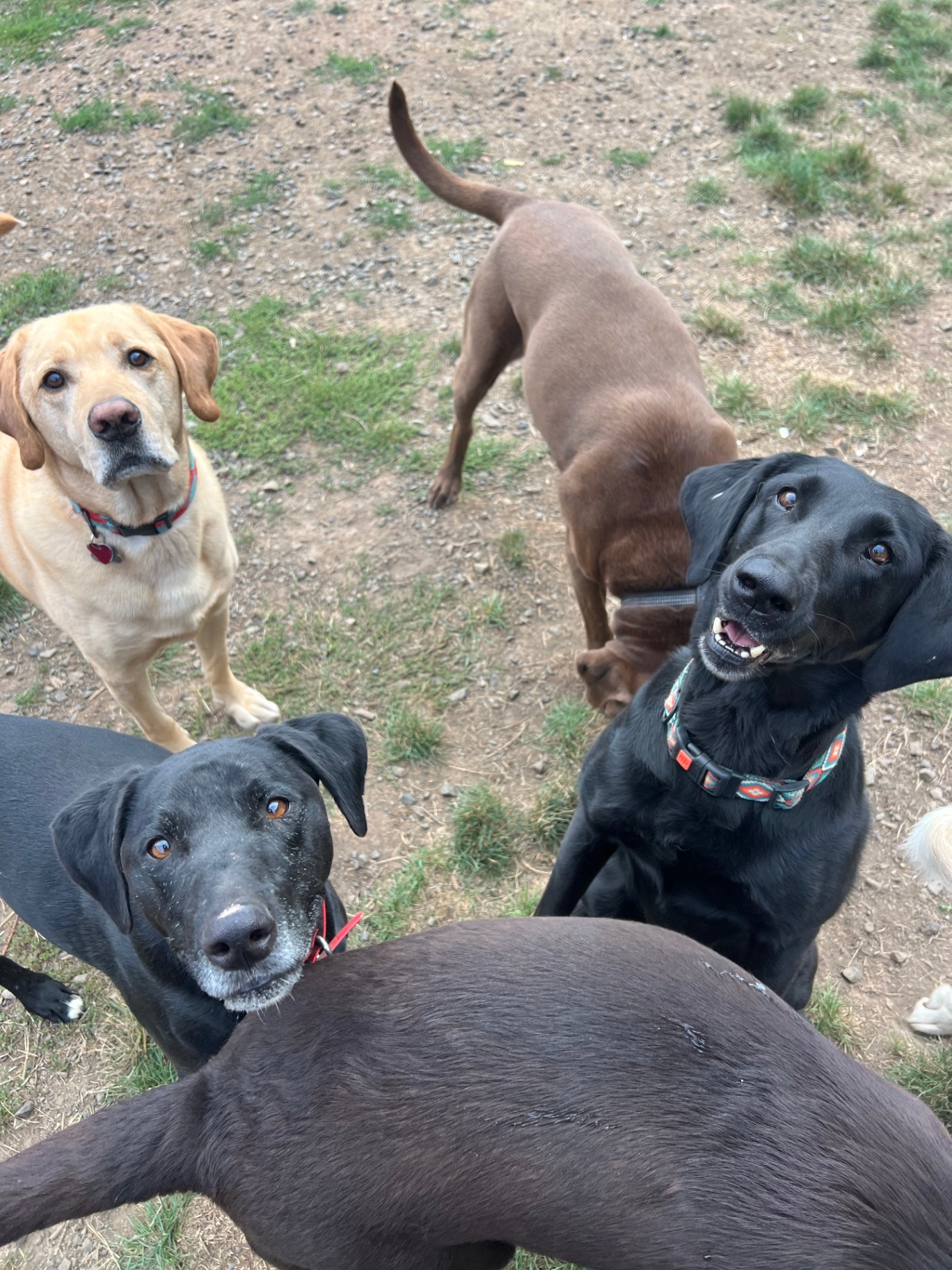
The Green Acres Approach: Science Meets Compassion
We've been doing this long enough to know that fancy theories don't mean much without practical, compassionate implementation. Every member of our team is trained to read canine body language: the subtle signals that tell us when a dog is stressed, overstimulated, or perfectly content.
When a dog first joins our dog daycare in Portland metro area, we don't just open the gate and wish them luck. We conduct careful introductions, watch how they interact, and adjust groupings as needed. Some dogs thrive in large, energetic groups. Others do better with just a few calm companions. Neither approach is wrong; it's about matching the environment to the individual dog.
We also rotate activities throughout the day. Research shows that mental enrichment is just as important as physical exercise for canine wellbeing (Pullen et al., 2010). Our dogs get outdoor play, rest periods, enrichment activities, and plenty of water and shade. We're not running a free-for-all; we're managing a carefully orchestrated day designed to meet dogs where they are.
Professional Supervision: The Non-Negotiable Element
This is where we get serious. The difference between quality daycare and chaos comes down to trained, attentive supervision. Period.
Our staff doesn't just watch dogs: they actively manage the environment. They recognize when play is escalating into something less friendly. They know which dogs work well together and which need to be in separate groups. They can spot the early signs of illness, injury, or stress before they become serious problems.
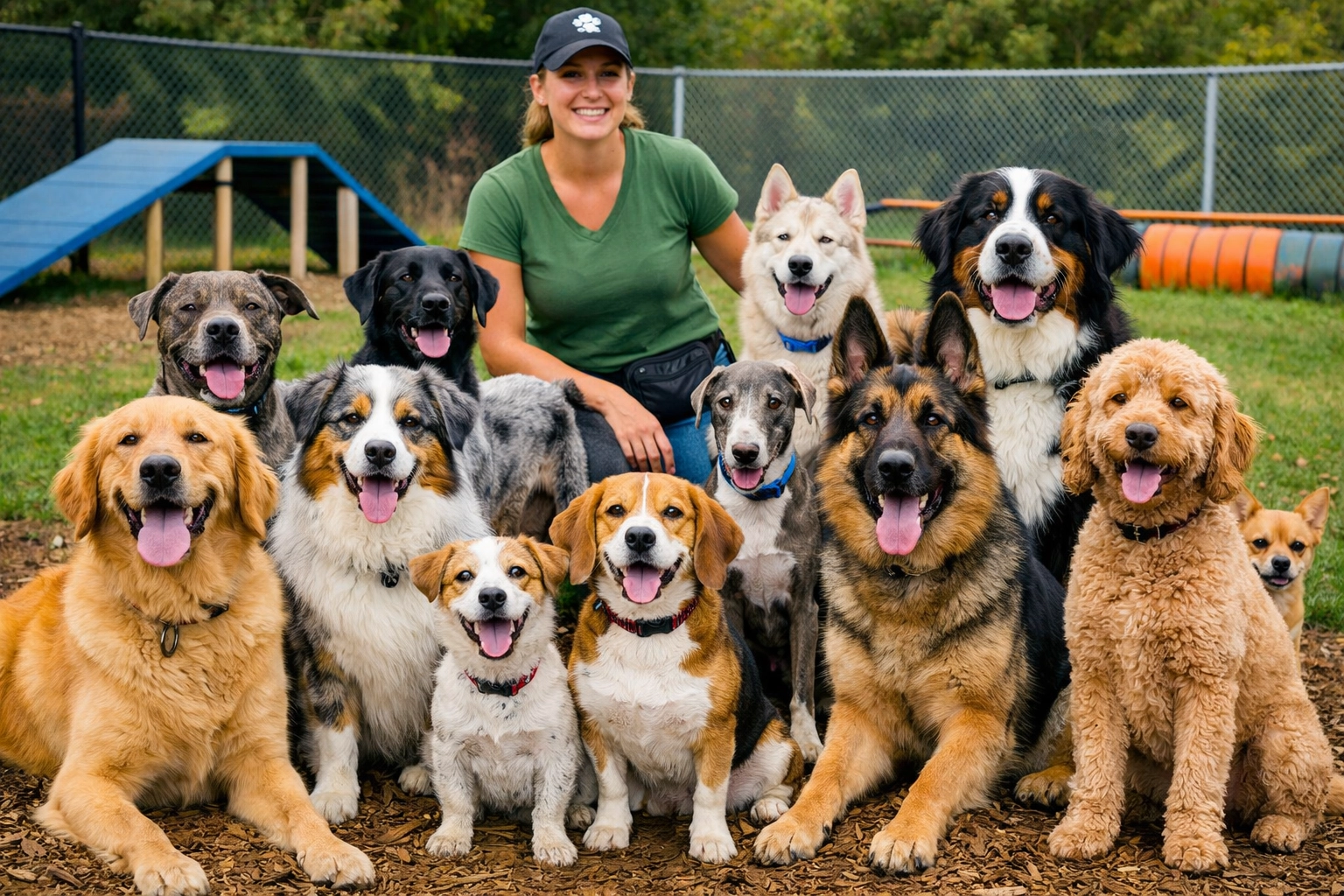
The literature on canine daycare safety is clear: facilities with high staff-to-dog ratios and professionally trained handlers have significantly lower incident rates (Shyan-Norwalt, 2005). We maintain ratios that allow us to intervene quickly, redirect inappropriate behaviors, and ensure every dog has positive experiences throughout their day.
Beyond the Facility: Building Better Family Companions
Here's what we love most about this work: we get to see dogs transform not just at our facility, but at home with their families. Parents tell us their dogs are calmer, better behaved, and happier after regular daycare attendance. That's not coincidence: it's the result of structured socialization, appropriate exercise, and mental stimulation.
Dogs who attend quality daycare programs show improved attachment security with their human families (Topál et al., 2005). It seems counterintuitive: wouldn't spending time away weaken bonds?: but the research suggests otherwise. Confident, well-socialized dogs are better able to form secure attachments. They're less anxious when you leave because they've learned that new experiences can be positive and that you always come back.
Real Dogs, Real Results
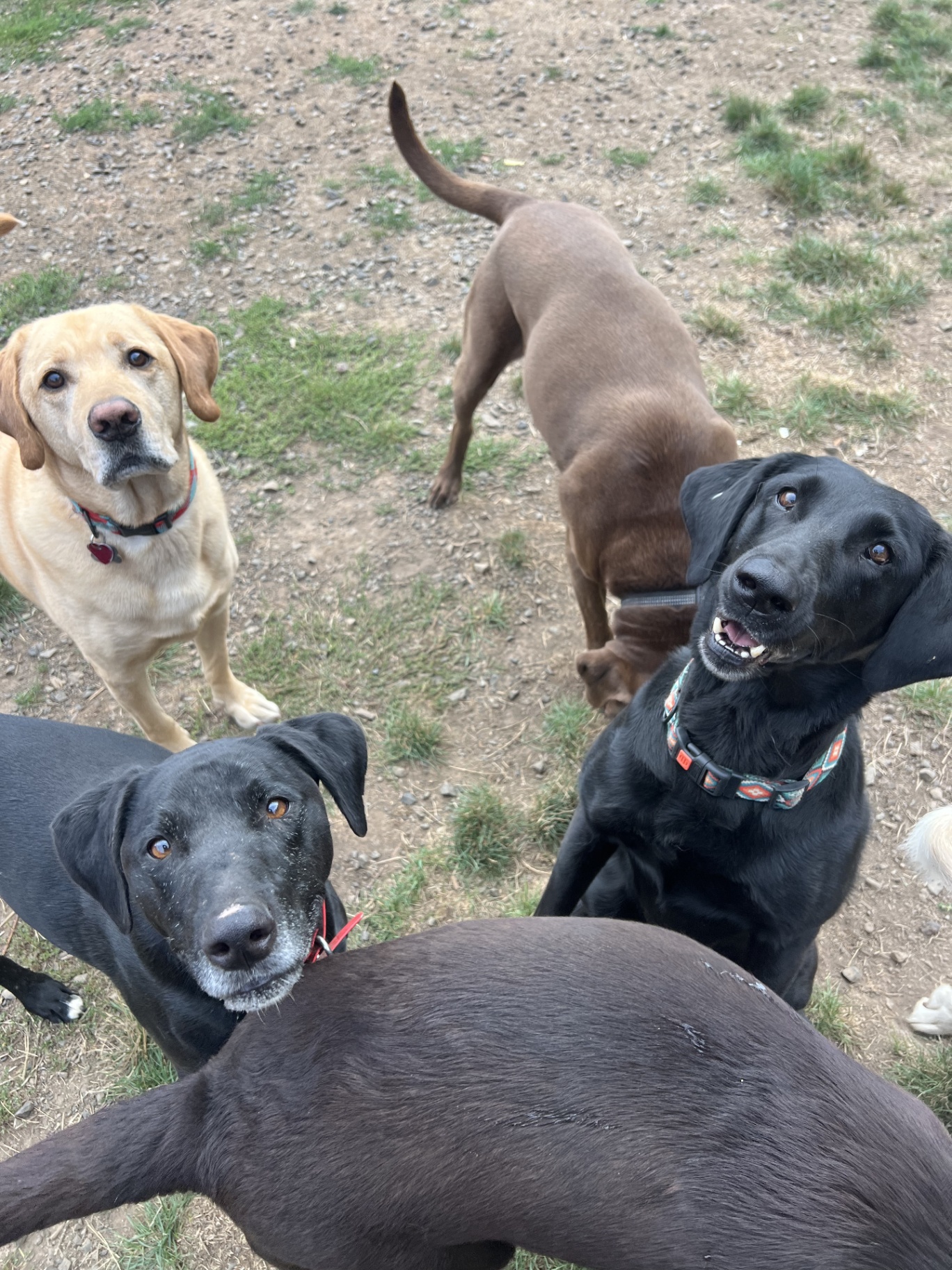
We don't believe in making promises we can't keep, but we can tell you what we see: reactive dogs learning to relax around others. Anxious dogs gaining confidence. High-energy dogs learning to self-regulate. Senior dogs staying mentally sharp through continued social engagement.
Is every day perfect? Of course not. Dogs are individuals with their own personalities, moods, and preferences. But the cumulative effect of consistent, positive socialization is profound.
Home Integration Tip: Extending the Benefits
Want to maximize what your dog learns at daycare? Try this: create mini "daycare moments" at home. Set up brief playdates with known dog friends in your yard. Practice recall exercises in distracting environments. Most importantly, give your dog mental challenges alongside physical exercise: puzzle feeders, scent work, or training new tricks.
The skills we work on during daycare: impulse control, focus, appropriate play: can be reinforced at home through consistent practice. Think of us as partners in your dog's development, not a replacement for your involvement. Together, we're helping your dog become the confident, well-adjusted companion you both deserve.
Bibliography
Bergamasco, L., Osella, M. C., Savarino, P., Larosa, G., Ozella, L., Manassero, M., Badino, P., Odore, R., Barbero, R., & Re, G. (2010). Heart rate variability and saliva cortisol assessment in shelter dog: Human-animal interaction effects. Applied Animal Behaviour Science, 125(1-2), 56-68.
Bradshaw, J. W. S., & Rooney, N. J. (2016). Dog social behavior and communication. In J. Serpell (Ed.), The Domestic Dog: Its Evolution, Behavior and Interactions with People (2nd ed., pp. 133-159). Cambridge University Press.
Herron, M. E., Shofer, F. S., & Reisner, I. R. (2009). Survey of the use and outcome of confrontational and non-confrontational training methods in client-owned dogs showing undesired behaviors. Applied Animal Behaviour Science, 117(1-2), 47-54.
Pullen, A. J., Merrill, R. J. N., & Bradshaw, J. W. S. (2010). Preferences for toy types and presentations in kennel housed dogs. Applied Animal Behaviour Science, 125(3-4), 151-156.
Pullen, A. J., Merrill, R. J., & Bradshaw, J. W. (2012). The effect of familiarity on behavior of kennel dogs during interactions with humans. Applied Animal Behaviour Science, 137(1-2), 66-73.
Shyan-Norwalt, M. R. (2005). Caregiver perceptions of what indoor cats do "for fun." Journal of Applied Animal Welfare Science, 8(3), 199-209.
Topál, J., Miklósi, Á., Csányi, V., & Dóka, A. (2005). Attachment behavior in dogs: A new application of Ainsworth's Strange Situation Test. Journal of Comparative Psychology, 119(3), 219-229.
Comments