
The Simple Trick to Improve Your Dog's Daily Routine Right Now (Science Says So)
- Green Acres K-9 Resort
- Feb 11
- 5 min read

Here's something we see every single day at our resort in Boring: dogs thrive on predictability. And we're not just saying that because we've been caring for dogs for years, the science backs it up in a big way.
The simple trick? Consistency. That's it. Not a fancy training tool, not an expensive supplement, just establishing regular schedules for feeding, exercise, and sleep. Research shows this one change can dramatically lower your dog's stress hormones and create the foundation for better behavior, improved learning, and a calmer, happier pup.
Let us share why this matters so much and how you can start today.
Why Your Dog's Brain Craves Routine
Dogs are creatures of habit. Their wild ancestors survived by recognizing patterns, when to hunt, where to find water, when danger might appear. That instinct hasn't gone anywhere just because your dog now sleeps on your couch.
A groundbreaking study on shelter dogs revealed something powerful: dogs on consistent daily schedules had significantly lower cortisol levels (the stress hormone) compared to dogs without predictable routines. When dogs know what to expect and when to expect it, their nervous systems literally calm down. Predictability signals safety to your dog's brain.

We see this every day when dogs arrive at Green Acres. The pups who come regularly, whether it's for daycare twice a week or grooming every month, walk through our doors with confidence. They know what's coming. The dogs who visit sporadically? They're often more anxious, taking longer to settle in. It's not about us; it's about their brains craving that predictability.
When a dog feels secure, everything else follows. They become more relaxed, more focused, and way more responsive to training. Stress clouds their ability to learn and behave well. Remove that stress through routine, and you're setting your dog up for success.
The Four Pillars of a Solid Daily Routine
1. Consistent Feeding Times
This is often the easiest place to start, and it has ripple effects throughout your dog's day. Feed your dog at the same times every day, not just "morning and evening," but actual consistent times like 7 AM and 6 PM.
Why does this matter? Consistent mealtimes lead to predictable potty patterns, fewer digestive issues, and easier house training. Your dog's body learns when food is coming and adjusts accordingly. No more begging throughout the day, no more accidents because their system is all over the place.
Interestingly, recent research has also shown that dogs fed once daily (rather than multiple times) have been associated with better overall health outcomes as they age. We're not saying you need to switch to once-daily feeding, especially for puppies or dogs with specific health needs, but it's worth discussing with your vet.
2. Scheduled Daily Exercise
Here's where we get passionate. Dogs need physical activity, and they need it consistently. Not just on weekends when you have time. Not just when the weather's nice. Every. Single. Day.
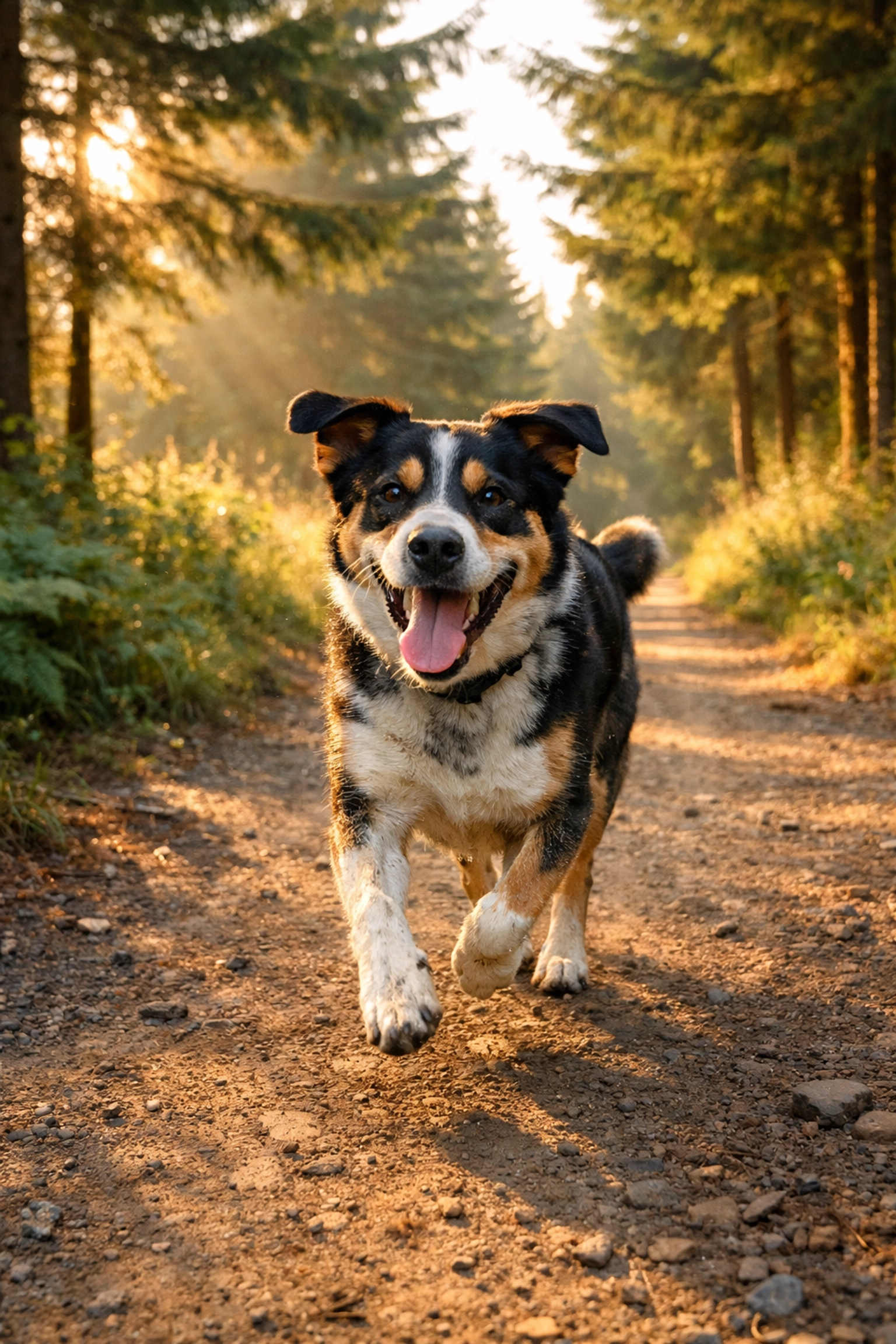
The research is crystal clear: dogs with regular, scheduled activity are more relaxed and focused throughout the rest of their day. Dogs without consistent exercise? They're more likely to show frustration, restlessness, and destructive behavior. That couch your dog ate? That might be less about the couch and more about an inconsistent exercise schedule.
We recommend at least 30 minutes of physical activity daily, walks, fetch, tug-of-war, whatever gets your dog moving. And here's the key: do it at roughly the same time each day. A morning walk sets a calm tone for the entire day. Your dog burns off that initial energy, gets mental stimulation from sniffing around the neighborhood (or our trails here in Boring), and then settles better when you leave for work.
At Green Acres, our daycare program runs on structured play schedules. The dogs know when it's yard time, when it's rest time, when it's snack time. They're not bouncing off the walls with uncertainty, they're engaged, active, and then genuinely tired and content.
3. Sleep Routine (Yes, Really)
Most people don't think about establishing a bedtime routine for their dog, but it makes a huge difference. Dogs need 12-14 hours of sleep per day, and quality matters just as much as quantity.
Create a wind-down routine: evening walk, dimmed lights, calm energy in the house, same bedtime every night. Keep wake-up times consistent too, even on weekends (we know, we know: but your dog doesn't understand Saturdays). This regulates their circadian rhythm and helps them get truly restorative sleep.
We maintain quiet rest periods during daycare for exactly this reason. Even the most energetic dogs need downtime, and when we provide it consistently, they actually sleep better at night too.
4. Regular Training Sessions
Short, focused training sessions at the same time each day are far more effective than occasional long sessions whenever you remember. Even just five minutes of practicing sit, stay, or recall: done at the same time daily: reinforces learning better than a 30-minute session once a week.
Consistency in training works the same way consistency in feeding works: your dog's brain starts anticipating and preparing for it. They're primed to learn during that window.
What This Looks Like in Real Life
Let's talk practically. You're a busy family in the Boring area. Maybe you work in Portland or Gresham. You've got kids, responsibilities, life happening. How do you actually implement this?
Start simple:
6:30 AM - Wake up, let dog out, feed breakfast
7:00 AM - Morning walk (even 15-20 minutes helps)
5:30 PM - Evening walk
6:00 PM - Feed dinner
9:00 PM - Final potty break, wind-down routine
9:30 PM - Bedtime
That's it. Same times, every day. Even small, consistent efforts make a significant difference in your dog's confidence and behavior.
And here's something we always tell families: if your schedule makes daily consistency tough, that's exactly what our daycare program is for. We provide that structured routine: consistent meal times, scheduled play and rest, regular socialization: on the days you can't be there. Your dog still gets predictability even when your work schedule isn't predictable.

Your Home Integration Tip: The "Routine Anchor"
Here's a practical tip you can implement today: choose one "anchor" activity that happens at exactly the same time every single day, no matter what. Make it something your dog loves: maybe it's the morning walk, maybe it's dinnertime, maybe it's a specific training game.
This becomes the rock in your dog's day. Even if everything else gets a little chaotic (because life happens), that one anchor stays consistent. Your dog has something reliable to count on, and you'll be amazed how much that single point of predictability can calm anxiety and improve behavior.
Start with one anchor this week. Once that's solid, add another. Build the routine gradually, and watch your dog transform.
The Bottom Line
We believe deeply in this approach because we've watched it work for thousands of dogs over the years. The science confirms what we see daily: consistency reduces stress, improves behavior, enhances learning, and creates genuinely happier dogs.
You don't need expensive gadgets or complicated training programs. You need predictability. Feed at the same times. Exercise at the same times. Sleep at the same times. Your dog's brain will do the rest.
And if you need help providing that structure: whether through daycare, boarding, or just advice: we're right here in Boring, doing this work every single day. Because we believe every dog deserves to feel safe, secure, and genuinely cared for.
Scientific References
Comments