
Your Quick-Start Guide to Holistic Dog Care: Do This First for a Happier K-9
- Green Acres K-9 Resort
- Apr 27
- 6 min read

At Green Acres K-9 Resort, we live and breathe dogs. Whether we’re out here in the beautiful Boring, Oregon sunshine scrubbing down kennels or prepping a batch of our farm-fresh food, we’re always thinking about one thing: how to make life better for your four-legged family members. We don’t just see ourselves as a boarding facility; we see ourselves as a partner in your dog’s lifelong journey of health and happiness.
If you’ve been scrolling through social media or chatting with other pet parents at the local park, you’ve probably heard the term "holistic dog care" tossed around. It sounds fancy, maybe even a little intimidating, but at its heart, it’s quite simple. Holistic care means looking at the whole dog: their diet, their mental state, their environment, and their social life: rather than just treating a single itchy ear or a stiff joint in isolation.
We believe that every dog in our Boring community deserves a life that is vibrant and full. In this guide, we’re going to break down the science of holistic care and tell you exactly what you should do first to see the biggest impact on your K-9's well-being.
What Does "Holistic" Actually Mean for Your Dog?
To us, holistic care isn't just a buzzword; it’s a philosophy. It’s the belief that the mind and body are inextricably linked. If a dog is stressed, their immune system suffers. If a dog’s gut is inflamed from poor nutrition, their behavior might become reactive or anxious.
When we talk about holistic health, we’re looking at five main pillars:
Nutrition: The fuel that runs the engine.
Mental Enrichment: Keeping the brain sharp and cortisol levels low.
Physical Health: Strength, flexibility, and rest.
Socialization: The emotional benefit of belonging to a "pack."
Environment: A safe, chemical-free, and stimulating place to live.
We strive to incorporate all of these into our daily routines here at the resort. From the way we design our play yards to the specific snacks we provide, every choice is intentional.
Do This First: Start with the Bowl
If you want to jumpstart your dog’s holistic journey today, the single most impactful change you can make is focusing on species-appropriate nutrition.
Science tells us that the gut is the seat of the immune system. In fact, roughly 70% of a dog's immune cells reside in the digestive tract. Many commercial kibbles are loaded with high-starch fillers: like corn, soy, and wheat: which can contribute to chronic inflammation. This inflammation doesn't just show up as an upset stomach; it can manifest as skin allergies, dull coats, and even "brain fog" or irritability in your dog.
We believe in the power of whole foods. You don’t have to switch to a 100% raw or home-cooked diet overnight to see a difference. Start by adding "bioavailable" fresh toppers to their current meals.
Holistic Feeding Tips for Boring Pet Owners:
Omega-3s: Add a few sardines (packed in water, no salt) to their bowl once or twice a week. These essential fatty acids are scientifically proven to support heart health and reduce joint inflammation.
Antioxidants: Toss in some fresh blueberries or lightly steamed broccoli. These help fight oxidative stress at a cellular level.
Hydration: Most kibble-fed dogs live in a state of mild dehydration. Add a splash of bone broth or goat milk to their meal to support kidney function and gut health.
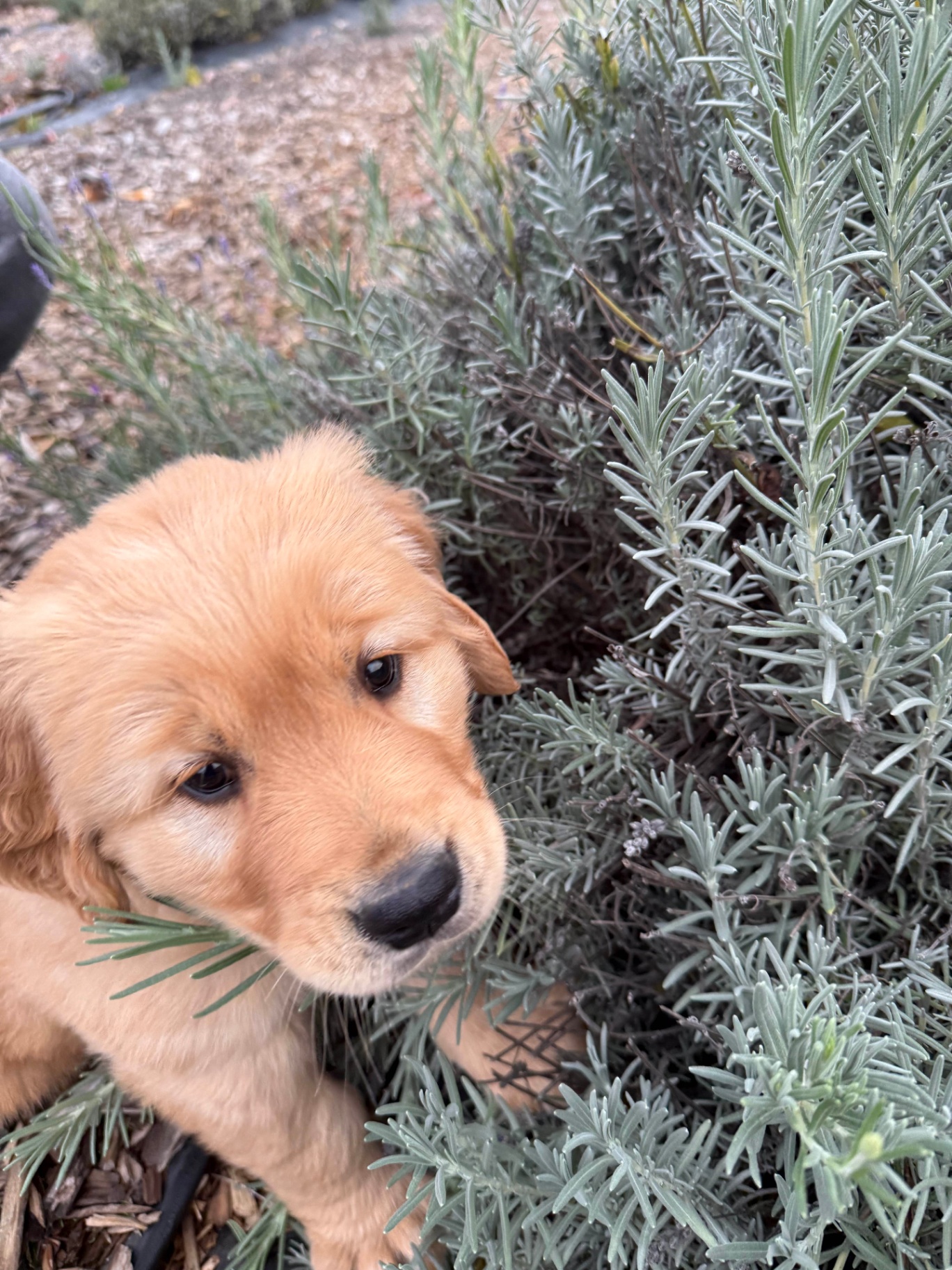
At Green Acres, we believe natural exploration is just as important as a good meal. Here's one of our guests discovering the calming scents of our sensory garden.
The Mind-Body Connection: Enrichment as Medicine
In the scientific community, we often talk about the "Gut-Brain Axis." This is the two-way communication between the digestive system and the central nervous system. A stressed dog will have poor digestion, and a dog with poor digestion will often be stressed.
This is why mental enrichment is a non-negotiable part of holistic care. In a town like Boring, we are blessed with incredible natural surroundings, but even the best backyard can become a "bore" if a dog doesn't have mental challenges.
When dogs are allowed to use their noses: their primary way of experiencing the world: it actually lowers their heart rate. A study published in Applied Animal Behaviour Science found that "nose work" and foraging behaviors significantly increased positive affect in dogs.
At our daycare, we don't just let dogs run aimlessly. We provide sensory gardens, puzzle toys, and varied terrain to ensure their brains are working as hard as their legs.

Socialization: More Than Just Playtime
We often see owners who are worried that their dog is "too old" or "too shy" for socialization. However, from a holistic perspective, social interaction is vital for emotional resilience. Dogs are pack animals by nature. Healthy, supervised interaction helps regulate their emotional responses and prevents the "shut down" that can happen with isolation.
When dogs play, their bodies release oxytocin: the "love hormone": which counters the effects of cortisol (stress). This is why a day at Green Acres K-9 Resort often results in a dog that sleeps deeply and peacefully that night. They aren't just physically tired; they are emotionally satisfied.
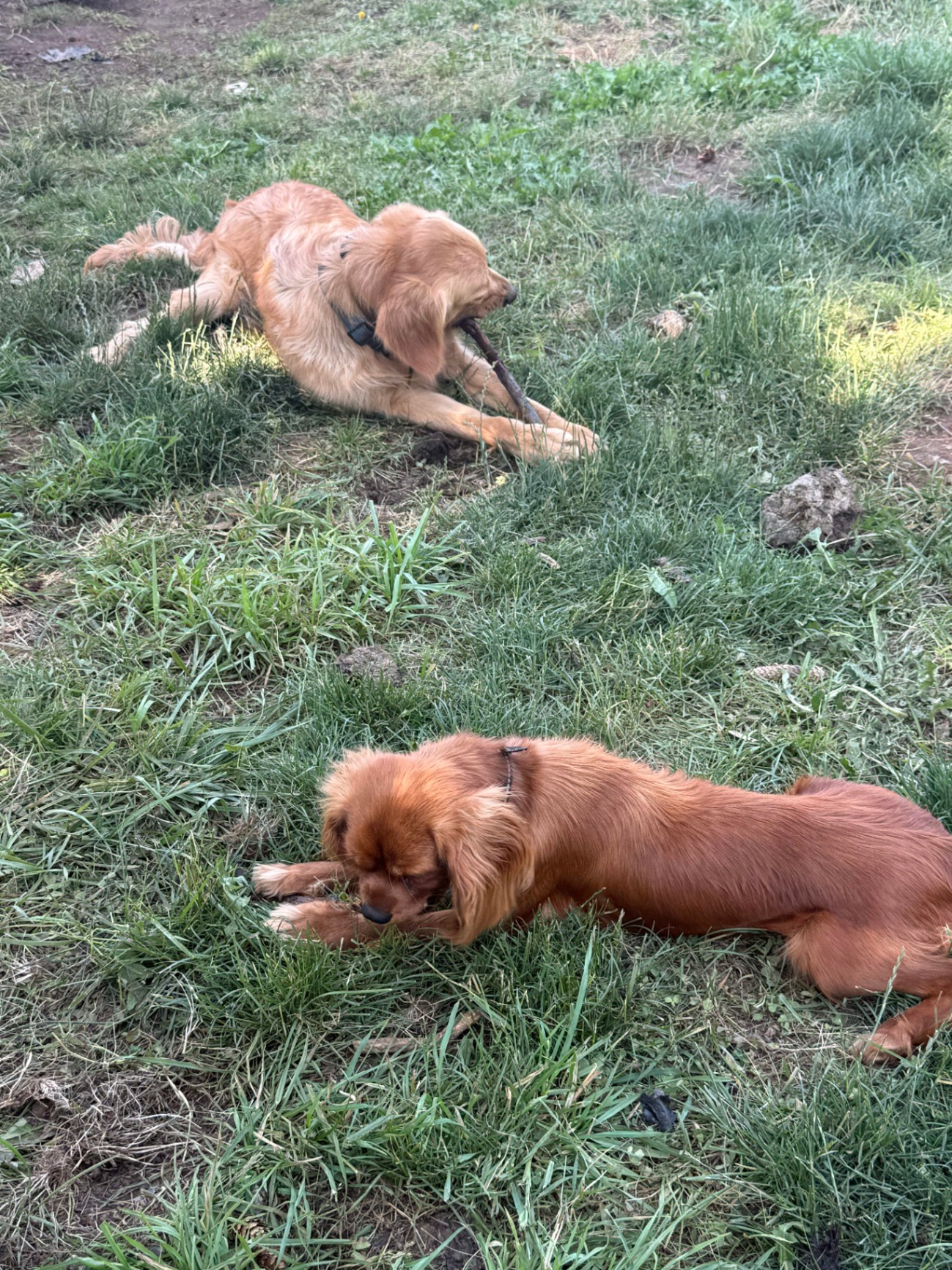
Rest is a critical part of the holistic cycle. These two are practicing the fine art of decompressing after a morning of social play.
The Role of the Environment
The environment your dog lives in has a direct impact on their health. This includes the cleaners you use on your floors, the pesticides used on your lawn, and even the level of noise in your home.
In our boarding facilities, we prioritize a low-stress, natural environment. We use pet-safe cleaning protocols and ensure every dog has access to natural light and fresh Oregon air. We understand that leaving your pet can be stressful, which is why we've designed our resort to feel less like a "kennel" and more like a home away from home.
Practical Home Integration Tip: The "Decompression Walk"
To help your dog integrate these holistic principles at home, try implementing a "Decompression Walk" at least three times a week.
How to do it:
Use a long lead: A 10-to-15-foot leash is ideal (ensure you are in a safe, open area).
Let the dog lead: This isn't a "heel" walk. Let your dog choose the direction and, most importantly, let them sniff for as long as they want.
Silence the phone: Use this time to bond with your pet.
The Result: By allowing your dog to engage in natural sniffing behaviors without the pressure of a "productive" walk, you are helping them reset their nervous system. It’s the canine equivalent of a meditation session.
Why We Do What We Do
We know your dogs are your children. We feel the same way about ours. When you bring your pet to us, whether for grooming or a long-term stay, we treat them with the same hands-on care we give our own. We’re the ones out there in the mud, making sure the play yards are safe, and we’re the ones hand-sorting the ingredients for their meals.
Holistic care isn't about being perfect; it's about being mindful. It’s about realizing that every small choice: from the treats you buy to the way you walk: adds up to a happier, healthier K-9.

The end goal of holistic care: A relaxed, happy dog who is ready to take on the world with you.
If you have questions about how to start your dog on a more holistic path, or if you want to see how we implement these values in person, don't hesitate to reach out to us. We’re here for you and your K-9 friend, right here in the heart of Boring.
Peer-Reviewed Sources & Bibliography
Brammeier, S., et al. (2007). "Good practices for animal care and use." Journal of Applied Animal Welfare Science. (Discusses the impact of environment on canine stress levels).
Duranton, C., & Horowitz, A. (2019). "Let me sniff! Nosework induces positive judgment bias in pet dogs." Applied Animal Behaviour Science. Source
Laflamme, D. P. (2006). "Understanding and managing obesity in dogs and cats." Veterinary Clinics: Small Animal Practice. (Covers the impact of high-carbohydrate diets and inflammation).
Critchley, S. J., et al. (2021). "The Influence of Diet on the Composition and Behavior of the Gut Microbiome in Dogs." Frontiers in Veterinary Science. Source
Tiffani, J. L., et al. (2017). "The effect of social interaction on cortisol levels in kenneled dogs." Physiology & Behavior.
Comments