
5 Science-Backed Dog Socialization Mistakes You're Making (And How Oregon Dog Trainers Fix Them)
- Green Acres K-9 Resort
- Feb 14
- 5 min read

You know that sinking feeling when your dog lunges at another pup during your morning walk? Or freezes up when visitors come over? We see it all the time here in Boring and the greater Portland area, well-meaning dog owners who genuinely thought they were doing everything right with socialization.
Here's the thing: socialization isn't just about exposing your dog to other dogs and people. It's way more nuanced than that, and honestly, some of the most common advice floating around can actually backfire. After working with hundreds of dogs at our daycare and chatting with local trainers throughout Oregon, we've noticed the same mistakes popping up again and again.
Let's dig into what the science actually says, and more importantly, how we can fix these issues together.
Mistake #1: Forcing Your Puppy Into Uncomfortable Situations
We get it. You want your puppy to be friendly and confident, so you hold them while strangers pet them, or you drag them over to say hi to every dog you meet. It seems logical, right?
The research tells a different story. When we force puppies into situations they're not ready for, they often display what behaviorists call "appeasement behaviors", things like tail wagging, licking, and seeming friendly. But here's the kicker: these aren't always signs of happiness. Sometimes they're stress signals, and forcing these interactions can lead to defensive behaviors and fear as your pup matures.
How Oregon trainers fix it: At Green Acres K-9 Resort, we let dogs set the pace. In our daycare program, we never force interactions. Instead, we create opportunities and let your dog choose when they're ready to engage. We watch their body language closely, ears, tail position, whether they're seeking interaction or backing away. If a pup needs space, they get it. No questions asked.
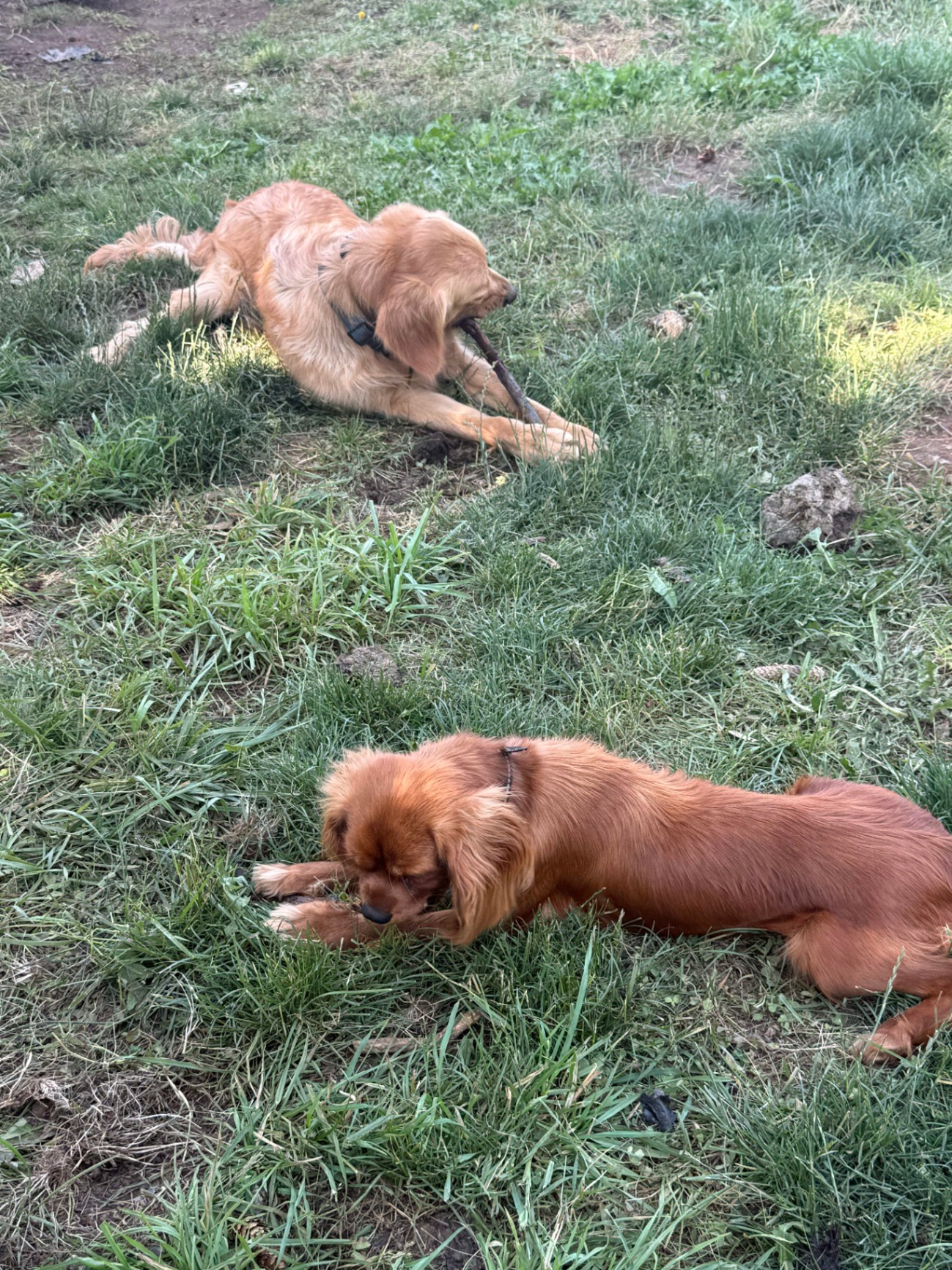
Mistake #2: Thinking Socialization Is Just About Meeting Other Dogs
This is probably the biggest misconception we encounter. Most folks think socialization means "my dog needs to meet lots of other dogs and people." But according to research in animal behavior, socialization is actually about exposing puppies to new experiences while ensuring the puppy feels successful and in control.
It's less about quantity and more about quality. Your puppy needs to learn that new experiences, whether that's the vacuum cleaner, car rides, thunderstorms, or yes, other dogs, aren't scary. But they need to "win" these encounters, meaning they come away feeling confident rather than overwhelmed.
How Oregon trainers fix it: We focus on creating positive associations with all kinds of experiences. At our resort, dogs encounter different surfaces (gravel, grass, indoor flooring), various sounds, different people who work with us, and yes, carefully selected canine playmates. But we don't overwhelm them. We build up gradually, celebrating small wins. That's why our structured daycare program works so much better than just dropping your pup at a dog park and hoping for the best.
Mistake #3: Using Treats as Bribes Instead of Rewards
Here's a subtle but important distinction that research has highlighted: there's a big difference between luring a scared puppy with food and rewarding a brave puppy with food.
When you hold out a treat to coax your nervous dog toward something scary, you're not actually addressing their fear: you're just distracting them temporarily. Once the food's gone, the fear comes rushing back. Studies show that puppies may focus on the treat to avoid looking at what frightens them, but this doesn't build genuine confidence.
How Oregon trainers fix it: The proper approach is to let your dog approach new things at their own pace, then reward them for brave behavior. We do this constantly at Green Acres. If a shy dog voluntarily approaches a new toy or sniffs a new person, that's when the treats come out. We're reinforcing their courage, not bribing them to ignore their instincts.
Mistake #4: Relying on Unstructured Dog Park Visits
Dog parks seem like the perfect socialization solution, right? Free, lots of dogs, plenty of exercise. But research published in veterinary behavioral journals suggests that unstructured exposures to unfamiliar dogs in public parks may actually harm long-term behavior development.
The problem is the lack of control. You don't know if the other dogs are well-socialized, if they're current on vaccines, or if their owners are even paying attention. One bad experience: a dog getting jumped by an overly rough player or frightened by aggressive behavior: can create lasting negative associations.
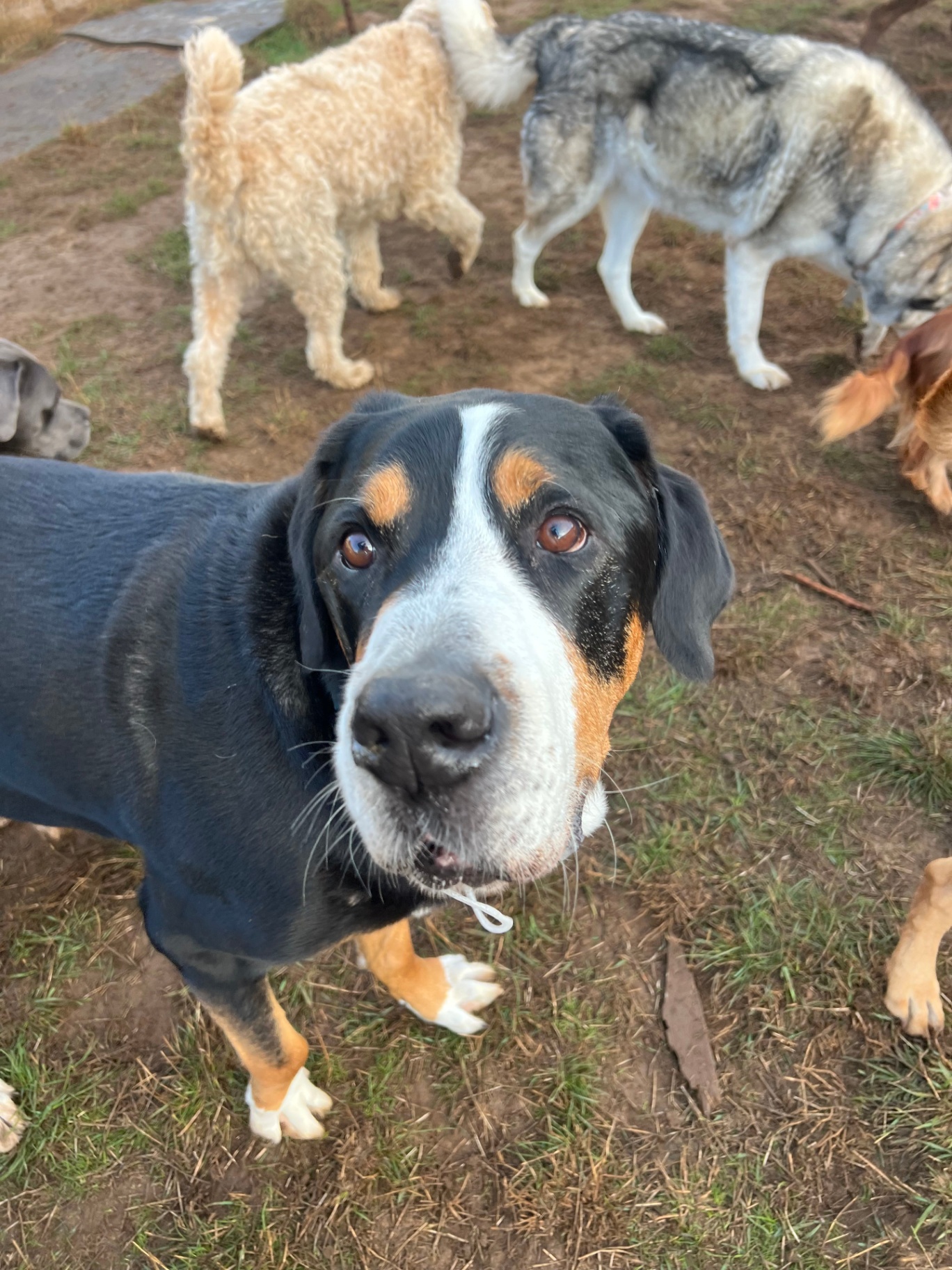
How Oregon trainers fix it: Structured playgroups make all the difference. At our daycare, we carefully match dogs by size, play style, and energy level. We've gotten to know hundreds of dogs in the Boring and Gresham areas, and we use that knowledge to create compatible playgroups. Our staff monitors every interaction, stepping in before play gets too rough or a dog becomes overwhelmed. This controlled environment builds positive associations with other dogs rather than creating anxiety.
Mistake #5: Using a One-Size-Fits-All Approach
This might be the most important point: not all dogs are the same. What works beautifully for one puppy might terrify another. Research clearly shows that conventional socialization advice doesn't work equally for all puppies: some become confident and friendly, others become fearful, and still others become so focused on other dogs that they ignore their owners entirely.
Breed, individual temperament, and early experiences all play roles. That confident Lab puppy and that cautious Border Collie mix need different approaches. Ignoring these differences is like trying to use the same teaching method for every kid in a classroom: it just doesn't work.
How Oregon trainers fix it: We believe in individualized care. When your dog first comes to us at Green Acres K-9 Resort, we do a thorough assessment. We learn their personality, their triggers, their preferences. Some dogs thrive in large playgroups; others do better with one or two carefully selected friends. Some need more downtime; others are go-go-go all day. We adjust our approach to fit your dog, not the other way around.
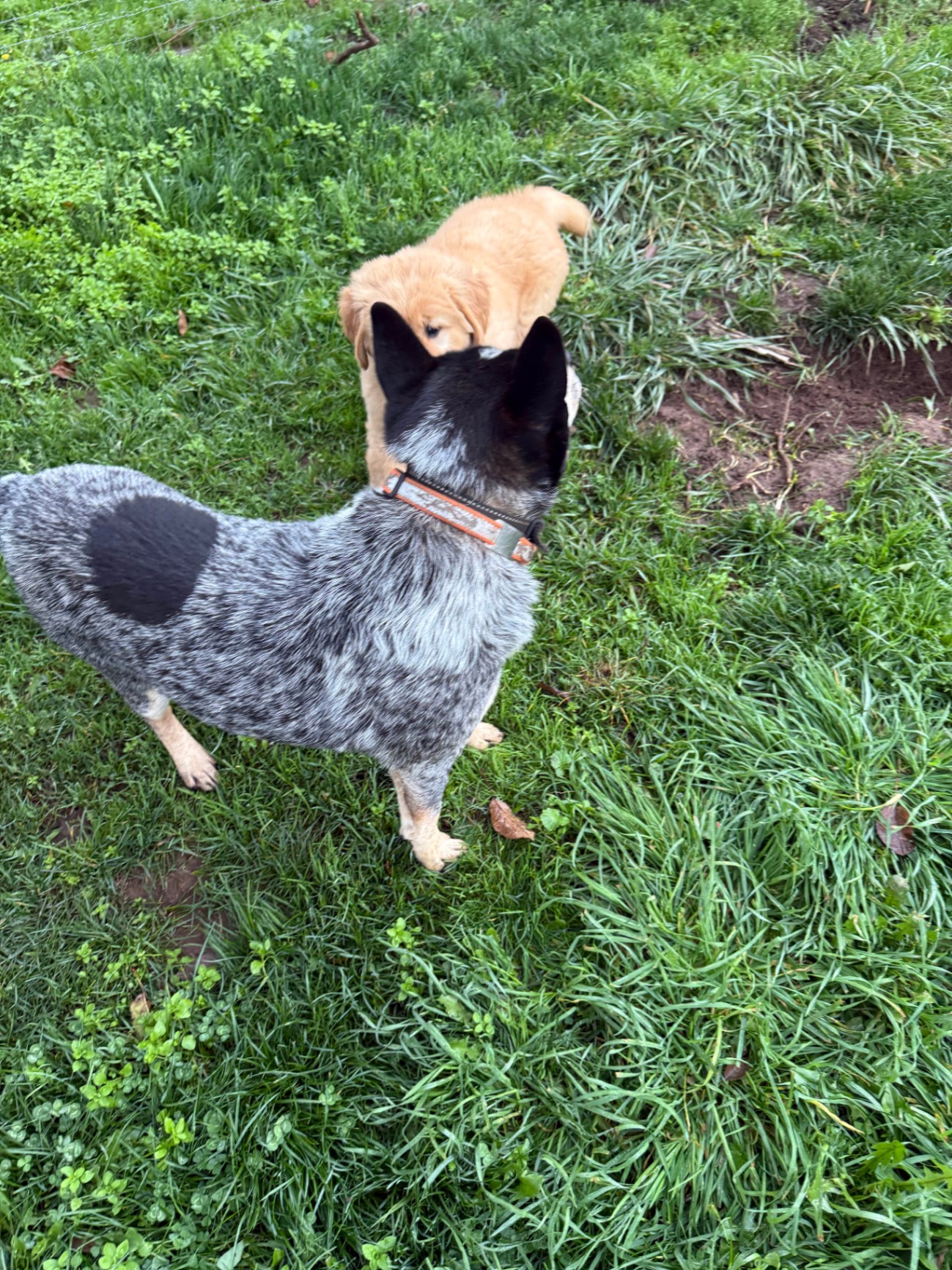
Home Integration Tip: The "Five Minute Rule"
Here's something you can start doing today: when exposing your dog to anything new, use the "five-minute rule." Spend just five minutes with the new experience, then take a break. This could be five minutes meeting a new person, five minutes in a new environment, or five minutes with a new dog (on leash, under control).
Watch your dog's body language during those five minutes. Are they relaxed? Curious? Or tense and worried? End on a positive note: even if that means ending after just two minutes if your dog is showing stress. You can always try again tomorrow. Building confidence is a marathon, not a sprint.
Remember, proper socialization isn't about pushing your dog's boundaries: it's about expanding them gradually, at your dog's pace, with plenty of positive reinforcement along the way.
Why This Matters for Boring Area Dog Owners
Living in Boring and the surrounding areas, our dogs are part of our families. We take them on hikes at Wildwood Recreation Site, to breweries with patios, and on errands around town. Having a well-socialized dog isn't just nice: it's essential for enjoying the Oregon lifestyle together.
At Green Acres K-9 Resort, we're not just providing daycare and boarding. We're partners in raising confident, happy dogs who can handle whatever life throws at them. Whether your dog needs gentle socialization support or just a safe place to burn off energy with friends, we've got you covered.
If you've been making any of these mistakes, don't beat yourself up. Seriously. We've all been there, and the good news is that dogs are incredibly resilient. With the right approach: science-backed, individualized, and patient: you can help your dog become the confident companion you've always wanted.
Bibliography
Comments