
The Proven Holistic Dog Care Framework: 5 Daily Habits Portland Pet Parents Swear By
- Green Acres K-9 Resort
- Feb 13
- 6 min read

Here at Green Acres K-9 Resort, we've seen thousands of dogs come through our doors in Boring, Oregon, and we can tell you this: the happiest, most well-adjusted pups all have something in common. Their families don't just love them: they've built consistent daily routines that address every aspect of their dog's wellbeing.
You've probably heard the term "holistic dog care" tossed around, but what does it actually mean in practice? It's not about essential oils or mystical rituals. It's about understanding that your dog's physical health, mental sharpness, emotional balance, and social needs are all interconnected. When one area suffers, the others follow.
We believe in science-backed care that fits real life. So let's break down the five daily habits that create genuinely happy, healthy dogs: habits we see working every single day in our daycare and boarding programs.
Habit 1: The Morning Movement Ritual (30+ Minutes Daily)
Your dog's day should start with physical activity, period. Research shows that dogs need at least 30 minutes of exercise daily for smaller breeds, while larger, more active breeds require 1-2 hours or more to maintain optimal health and behavior.
We start our daycare mornings with outdoor play sessions because we know it sets the tone for everything else. That morning walk or play session isn't just about bathroom breaks: it's releasing pent-up energy that would otherwise turn into destructive behavior, anxiety, or restlessness.

Here's what we've learned works best: variety matters. Don't just walk the same route every single morning. Mix in fetch sessions, agility games, sniff walks where your dog leads with their nose, or social play with other dogs. This prevents the routine from becoming stale and keeps your pup mentally engaged during physical activity.
Home Integration Tip: If you struggle with morning motivation, make it non-negotiable by tying it to your own routine. Brew your coffee in a travel mug and take it with you on the walk. Your dog gets their movement, and you get fresh air and caffeine. We've found that Portland-area families who treat the morning walk as sacred family time: not a chore: stick with it consistently.
Habit 2: Structured Meal Times (Twice Daily, 8-12 Hours Apart)
Consistency in feeding isn't about being rigid: it's about supporting your dog's digestive health and creating predictability that reduces anxiety. Most adult dogs thrive on two meals spaced 8-12 hours apart, with portions tailored to their weight, activity level, and life stage.
When we board dogs at our resort, we always ask for detailed feeding schedules because we know disrupting this routine can cause stress and digestive upset. Your dog's body learns when to expect food, which regulates metabolism, energy levels, and even bowel movements: making potty training and maintenance so much easier.

But here's the piece many folks miss: meal time is also mental enrichment time. Instead of just dumping kibble in a bowl, use puzzle feeders, snuffle mats, or scatter feeding in the yard. This taps into your dog's natural foraging instincts and turns a two-minute inhale session into a 15-minute brain workout.
Always provide fresh, clean water throughout the day: dehydration affects everything from energy levels to cognitive function.
Home Integration Tip: Set phone alarms for feeding times and stick to them within a 30-minute window, even on weekends. If you have kids, make them part of the feeding routine (with supervision). It teaches responsibility and strengthens the dog-child bond in your family.
Habit 3: Mental Enrichment Sessions (15-20 Minutes, 2-3 Times Daily)
A tired dog is a good dog, but we're talking about mental tiredness, not just physical exhaustion. Mental stimulation through training sessions, scent work, interactive games, and enrichment toys prevents destructive behaviors and keeps your dog's mind sharp as they age.
Think about it: your dog's ancestors spent hours problem-solving for food, navigating territory, and making decisions. Modern pet dogs get everything handed to them. That unused brainpower needs an outlet, or it'll find one: usually in the form of chewed furniture or excessive barking.
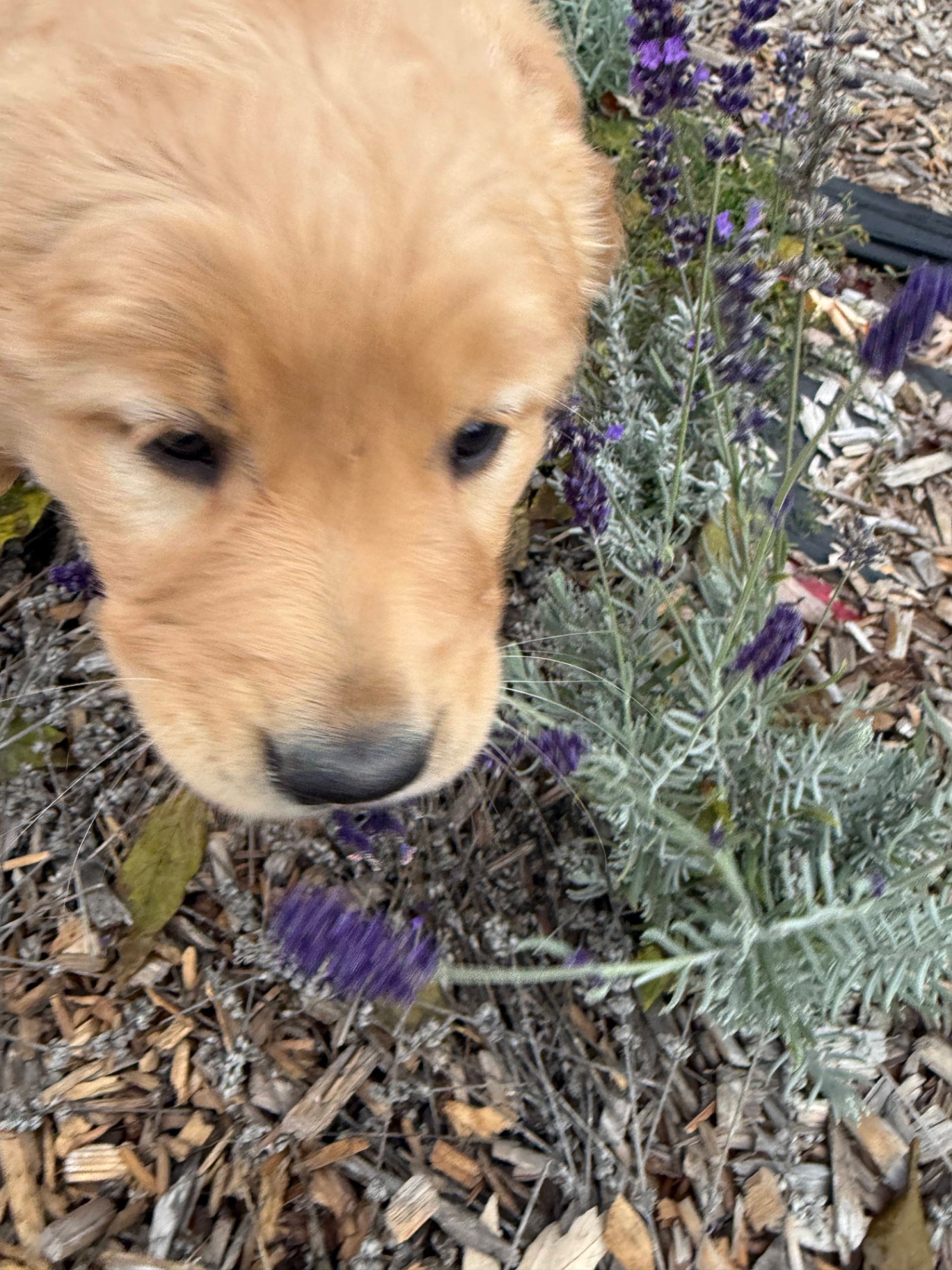
We incorporate sensory gardens and varied environments in our facility specifically for this reason. Dogs need to explore textures, smells, and spaces that challenge their senses safely. Even something as simple as a cardboard box filled with crumpled paper and hidden treats can provide significant mental enrichment.
Short training sessions work wonders too: teaching a new trick or practicing basic commands for just five minutes keeps neural pathways firing. The predictability of these sessions also reduces anxiety because dogs feel more secure when they understand what's expected of them.
Home Integration Tip: Create a "brain game" rotation. Monday might be a frozen Kong, Tuesday is hide-and-seek with treats around the house, Wednesday is practicing "place" command training, and so on. Keep each session short (under 20 minutes) so it stays fun rather than frustrating. Store all enrichment toys in a bin and only offer 1-2 at a time: rotating them keeps everything novel and exciting.
Habit 4: Social Connection Time (Daily Positive Interactions)
Dogs are pack animals, hardwired for social connection. This doesn't always mean playing with other dogs: it means quality interaction with their family, whether that's humans, other pets, or appropriate canine friends.
We see the difference social time makes every single day in our daycare groups. Dogs who regularly interact with others in structured, supervised environments develop better communication skills, more confidence, and less reactive behavior. But here's the key: quality over quantity, always.

Not every dog needs to be a social butterfly. Some prefer calm parallel play or one-on-one human interaction. That's perfectly healthy. What matters is that your dog gets positive social experiences appropriate to their personality and comfort level.
For many Boring-area families we work with, social time looks different depending on the dog. It might be a structured playdate with a known dog friend, attending a training class together, or simply snuggling on the couch for 20 minutes of focused attention: no phone, no TV, just you and your pup.
Home Integration Tip: Dedicate 15 minutes daily to focused bonding time. No multitasking. Sit on the floor with your dog, practice gentle touch, play a calm game, or just be present together. This regulated down-time social connection often means more to your dog than chaotic, distracted interaction. If you have kids, teach them that quiet reading time with the dog lying beside them is valuable social time too: not all connection is high-energy play.
Habit 5: Evening Wind-Down Routine (30-60 Minutes Before Bed)
Just like humans, dogs need a transition from active day to restful night. Creating an evening wind-down routine signals to your dog's body that it's time to relax, improving sleep quality and reducing nighttime restlessness.
Dogs need consistent, undisturbed rest in quiet spaces. Adult dogs typically sleep 12-14 hours per day, and puppies need even more. Quality sleep affects everything from immune function to emotional regulation, yet it's often the most overlooked aspect of dog care.
We structure our boarding accommodations to provide quiet, comfortable rest periods because we understand that even in an exciting environment like ours, dogs need downtime to process experiences and recharge.
Your evening routine might include a calm walk (not high-energy play), a final bathroom break, some gentle grooming or massage, and settling into a consistent sleeping spot. The predictability helps align your dog's circadian rhythm with your household schedule.
Home Integration Tip: Dim the lights, lower your voice, and slow your own energy in the hour before your dog's bedtime. If your dog struggles to settle, try calming activities like gentle brushing, a sniff mat session with low-value treats, or soft background noise. Keep the sleeping area cool (dogs sleep better in slightly cooler temperatures) and dark. Make bedtime consistent: same time, same place, same routine every night.
Bringing It All Together
The beauty of this holistic framework is how everything connects. Morning exercise improves appetite regulation for structured meals. Mental enrichment sessions tire the brain, leading to better rest. Social connection builds confidence that translates to calmer behavior during alone time. And quality sleep makes every other habit easier to maintain.
You don't need to be perfect. Life happens, schedules shift, and some days you're just surviving, not thriving. We get it: we're dog people ourselves, with our own families and pets at home. But when you have this framework as your foundation, even an off day doesn't derail your dog's overall wellbeing.
If you're in the Boring or greater Portland area and need support maintaining these habits: whether through daycare, boarding, or grooming services: we're here to help. Sometimes the most holistic thing you can do for your dog is recognize when you need a hand from professionals who understand what truly matters.
Your dog doesn't need perfection. They need consistency, care, and a family committed to meeting their whole-dog needs, every single day.
Scientific References
Comments