
7 Mistakes You’re Making with Dog Socialization (and How Gresham Daycare Helps Fix Them)
- Green Acres K-9 Resort
- Apr 11
- 5 min read

At Green Acres K-9 Resort, we don’t just see ourselves as a business; we see ourselves as an extension of your family. Living and working here in the beautiful Boring and Gresham area, we’ve seen thousands of dogs come through our gates. We’ve hugged the shy ones, run with the wild ones, and even cleaned up the inevitable "surprises" that come with the territory. Because we care so deeply about the well-being of your K-9 pets, we want to talk about something that is often misunderstood: socialization.
Socialization isn't just about "playing with other dogs." It is a complex, science-backed process of habituation and positive reinforcement that shapes how your dog views the world. Unfortunately, well-meaning owners often fall into common traps that can actually lead to more anxiety or reactivity.
Here are the seven most common mistakes we see, and how we address them right here at our daycare to ensure your dog lives their happiest, most confident life.
1. Missing the "Critical Window"
In the world of animal behavior science, there is a period known as the "sensitive period for socialization." According to the American Veterinary Society of Animal Behavior (AVSAB), this window typically closes between 12 and 14 weeks of age.
Many owners wait until their puppy is fully vaccinated (often around 16 weeks) to start introducing them to the world. While we absolutely advocate for health and safety, waiting too long can mean your dog misses the peak period for brain plasticity. At Green Acres, we believe in a balanced approach. We maintain a sanitized, controlled environment so that puppies can begin their social journey safely and early.
2. The "Flooding" Mistake
Have you ever been told to just "throw them in the deep end" to help them get over a fear? In psychology, this is called "flooding," and it’s one of the most damaging things you can do to a dog. Forcing a nervous dog into a crowded dog park or a loud event overwhelms their nervous system, often leading to "learned helplessness" or an increase in fear-based aggression.
We take a much more caring, measured approach. When a new dog joins our Gresham daycare family, we don’t just toss them into the big group. We use a graduated entry process, letting them observe from a distance or interact with one calm, "mentor" dog first. We watch their cortisol triggers and ensure they never feel trapped.
3. Relying Solely on Dog Parks
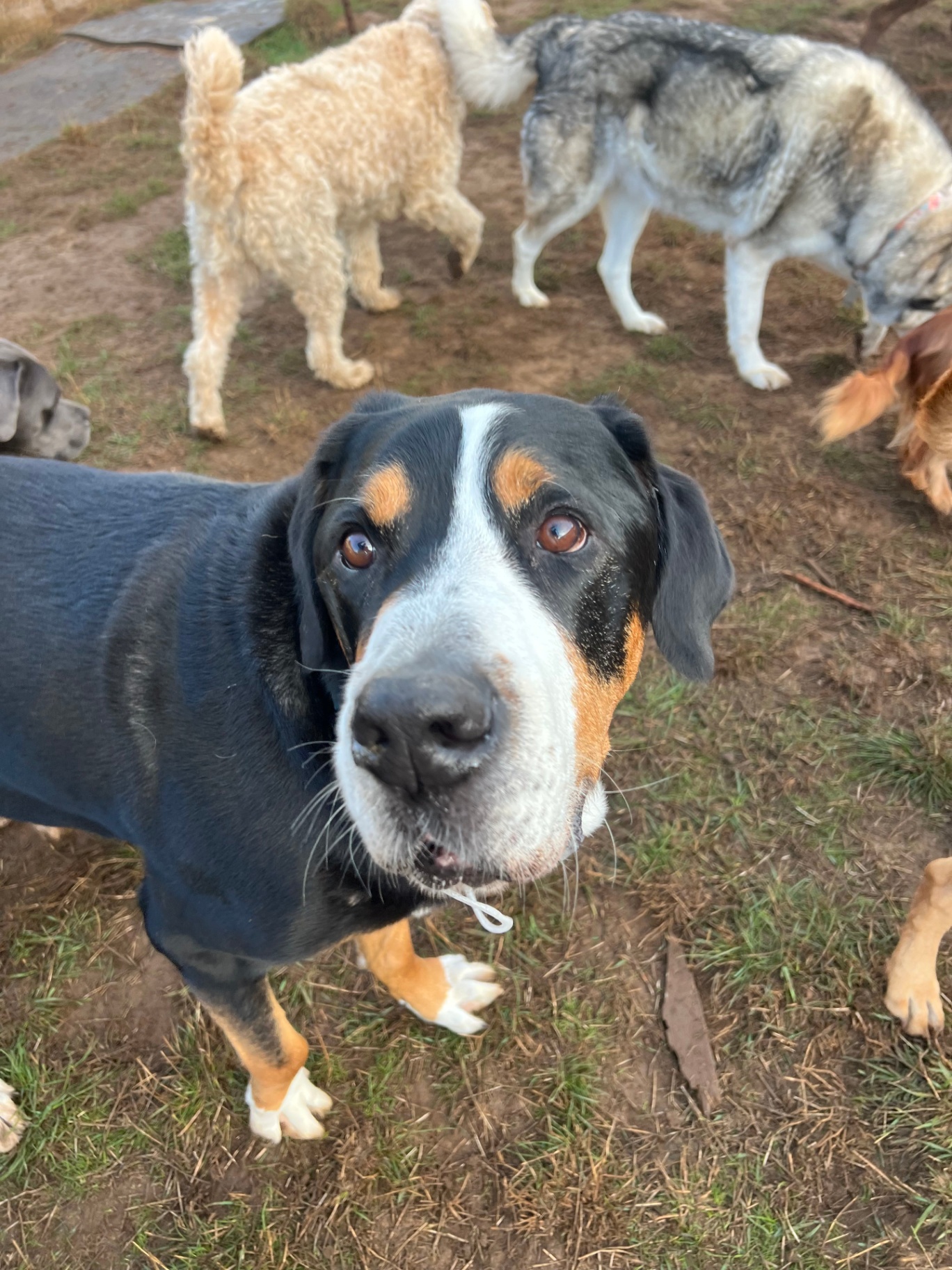
Dog parks are a bit like the "Wild West." You don’t know if the other dogs are vaccinated, if they have good manners, or if their owners are paying attention. A single bad experience at a dog park can set back months of training.
Scientific studies on canine behavior suggest that unstructured, high-intensity play in unpredictable environments can lead to "hyper-arousal." This is why we focus on supervised, structured socialization. Our staff are experts at reading subtle body language: the things most people miss: to intervene before a play session turns into a stressful encounter. We believe that quality of interaction is far more important than quantity.
4. Forcing Leash Greetings
It’s a common sight in Boring: two owners walking their dogs, the leashes pull taut, and the dogs meet nose-to-nose. This is actually incredibly stressful for dogs. On a leash, a dog’s "flight" instinct is removed. If they feel uncomfortable, they can't move away, which often forces them into a "fight" or "posturing" response.
At Green Acres, we emphasize off-leash socialization in our secure, grassy yards. This allows dogs to use their natural "curving" approach and body language to communicate. By removing the restriction of the leash, we remove a major source of canine frustration.
5. Neglecting "Environmental" Socialization
Socialization isn't just about other dogs; it's about the world. Many owners forget to expose their dogs to different surfaces, sounds, and weird objects (like umbrellas or bicycles).
Our facility is designed to be a sensory-rich environment. From the gravel of our play yards to the lush grass and the natural shade of our bushes, your dog is constantly learning about the physical world. We even make sure they get used to the sounds of our pet taxi and the general hum of a working farm resort. This builds a "generalized confidence" that they carry back home to Boring.
6. Misreading "Play" Body Language
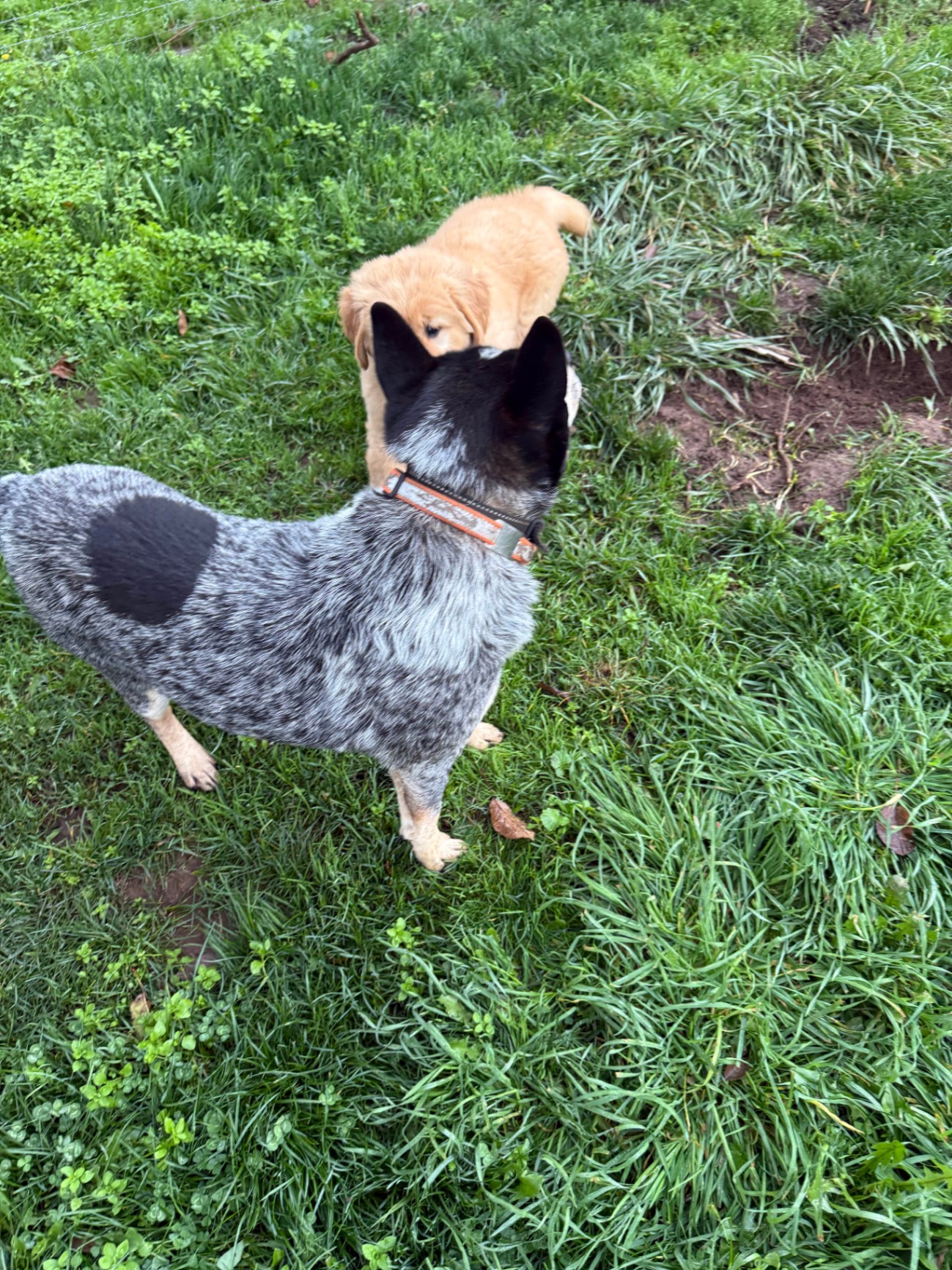
Just because a tail is wagging doesn't mean a dog is happy. A high, stiff wag can actually be a sign of tension or impending aggression. Owners often mistake "bullying" behavior for "playing hard."
We spend a lot of time educating our team (and our clients!) on the science of canine communication. We look for "play bows," "meta-signals," and "self-handicapping": signs that both dogs are consenting to the game. If we see a dog getting "sticky" (staring too hard) or "over-threshold," we step in with a calm redirection. It’s all about keeping the vibes positive and safe.

7. Thinking Socialization is "One and Done"
Socialization is a muscle. If you don't use it, you lose it. As dogs reach social maturity (between 12 and 36 months), their social needs change. Some dogs who were social butterflies as puppies may become "dog selective" as adults.
We strive to provide a lifetime of social maintenance. Whether your dog comes for regular daycare or stays with us for boarding while you’re on vacation, we keep those social gears greased. We adapt our playgroups as your dog ages, ensuring they are always with companions who match their current energy and comfort levels.
Our Heart at Green Acres
We understand the weight of the trust you place in us. When you drop your dog off at our Boring, Oregon location, you aren't just leaving them at a facility; you’re leaving them with neighbors who truly care. We believe that every dog deserves to feel safe and understood. We put in the hard work: the cleaning, the constant monitoring, the continuing education: because we know that a well-socialized dog is a happy dog, and a happy dog makes for a happy home.
Practical Home Integration Tip: The "Neutral Observation" Walk
To help your dog generalize the socialization they learn at Green Acres, try a "Neutral Observation" walk this weekend. Instead of letting your dog greet every person or dog you pass in Boring, find a bench at a local park. Sit with your dog at a distance where they are calm, and simply reward them with a high-value treat every time they look at a "distraction" (like another dog) and then look back at you. This teaches them that they don't have to interact with everything they see: they just have to be calm and focused on you. This "social neutrality" is the hallmark of a truly well-adjusted dog.
Bibliography & Peer-Reviewed Sources
American Veterinary Society of Animal Behavior (AVSAB). (2008). Position Statement on Puppy Socialization.
Serpell, J. A., & Jagoe, D. R. (1995). Early experience and the development of behaviour in dogs. In The Domestic Dog: Its Evolution, Behaviour and Interactions with People. Cambridge University Press.
Dietz, L., et al. (2018). The importance of early life experiences on the development of behavioural disorders in domestic dogs.Journal of Veterinary Behavior.
Howell, T. J., et al. (2015). Puppy parties and beyond: the role of early age socialization and training in the development of adult dog behavior.Veterinary Medicine: Research and Reports.
Overall, K. L. (2013). Manual of Clinical Behavioral Medicine for Dogs and Cats. Elsevier Health Sciences. (Chapters on Habituation and Sensitization).
For more tips on keeping your furry friend healthy and happy, check out our blog or read about our holistic approach to care. We’re here for you and your K-9 pet, every step of the way!
Comments