
7 Mistakes You're Making with Dog Socialization (and How Gresham Experts Fix Them)
- Green Acres K-9 Resort
- Mar 28
- 7 min read

Hey there, neighbors! Mark Griffin here. As a Helper at Green Acres K-9 Resort, I spend a lot of my time with my hands in the dirt and my heart with the dogs. Whether I’m refreshing water bowls, tidying up the play yards, or just sitting on the grass watching a group of pups figure out their "doggy manners," I’ve seen firsthand how much a little social confidence can change a dog's life.
Living out here in the Boring and Gresham area, we’re lucky to have beautiful trails and plenty of space. But having space isn't the same thing as having social skills. We often see well-meaning owners who think they’re doing the right thing, only to find their pup becoming more anxious or reactive. At Green Acres, we believe that every dog is an individual with their own story, and we strive to provide a safe haven where those stories can have happy, social chapters.
Socialization isn't just about "meeting other dogs." It’s a complex, science-backed process of learning how to exist calmly in a world full of weird smells, loud noises, and other creatures. Today, I want to walk you through seven common mistakes we see and how we handle things a bit differently here at the resort to keep our pack happy and healthy.
1. The "Say Hi to Everyone" Approach (Forcing Interactions)
One of the biggest misconceptions we see is the idea that a "social" dog is one that greets every person and dog they see. In reality, forcing your dog to interact with every passerby can lead to some serious behavioral issues. For a shy dog, being forced to "say hi" is like being forced into a crowded elevator when you’re claustrophobic.
The Science: Behavioral studies show that dogs have a "flight or fight" threshold. When we remove the option to move away (by keeping them on a tight leash or forcing an interaction), we often inadvertently trigger a defensive response. Research from the American Veterinary Society of Animal Behavior (AVSAB) emphasizes that socialization should be about positive exposure, not just any exposure.
How We Fix It: At Green Acres, we never force a dog into a group. We use a "look and learn" approach. We let new pups observe the action from a comfortable distance until their body language tells us they’re ready to join in. Neutrality, the ability to see another dog and stay calm, is much more valuable than forced friendliness.
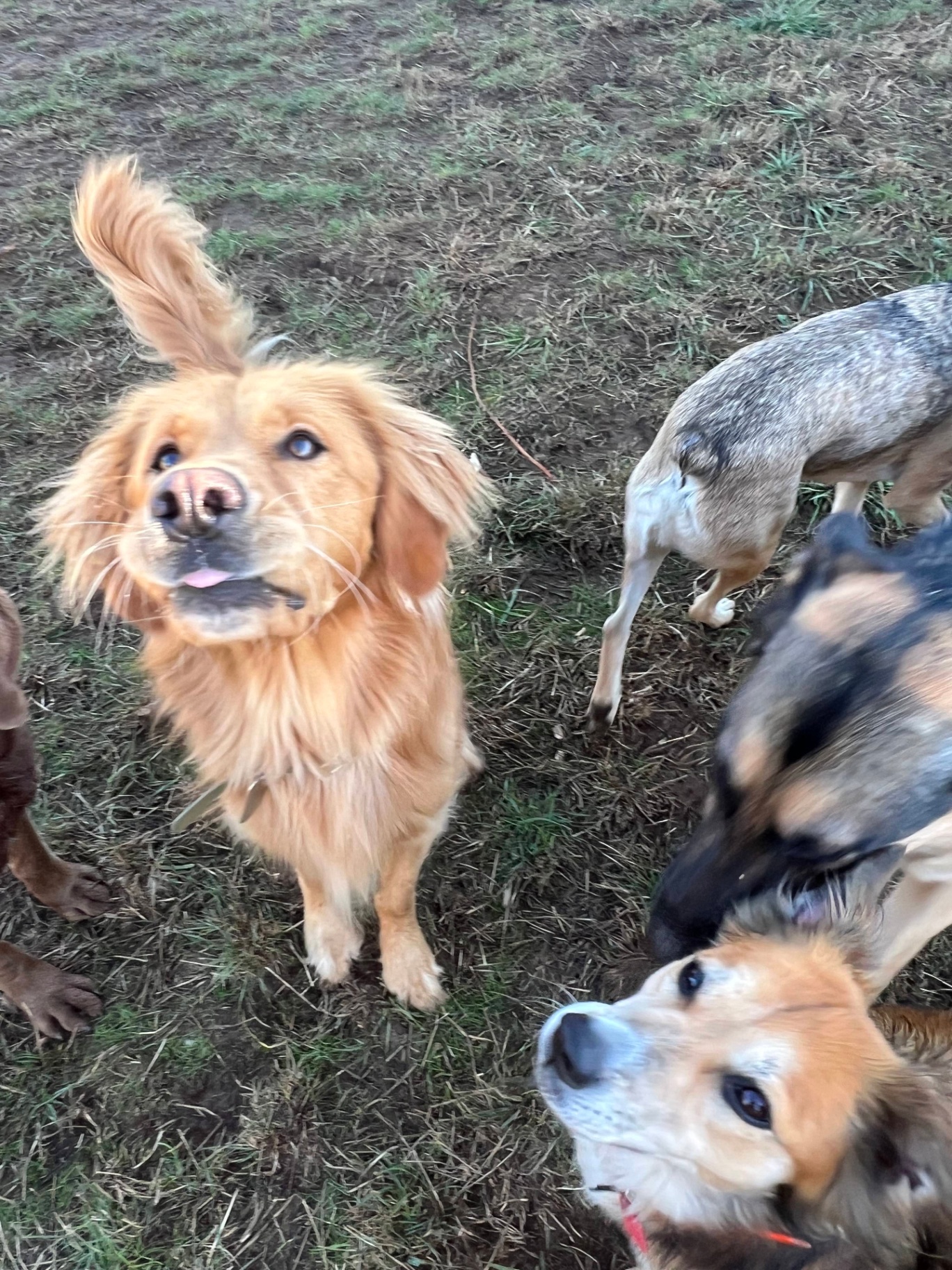
2. Using Dog Parks as a "Socialization Tool"
It’s tempting to head down to the local park and let your pup run wild. However, dog parks can be a "Wild West" of unpredictable behavior. You have unknown dogs with unknown temperaments and owners who might not be paying attention. For a developing puppy or a nervous adult, one bad experience at a dog park can undo months of training.
The Science: Dogs don't just learn "manners" in chaotic environments; they learn survival skills. High-arousal environments can lead to "emotional flooding," where the dog's brain is so overwhelmed by stimuli that they can no longer process information rationally.
How We Fix It: We provide a structured environment. Our daycare and boarding programs are supervised by people who actually understand canine body language. We group dogs by size, temperament, and play style. It’s like a curated dinner party rather than a chaotic mosh pit.
3. Confusing High Excitement with Confidence
We’ve all seen the dog that is "screaming" at the end of the leash because they want to play so badly. Many owners think, "Oh, he just loves other dogs!" But that level of overstimulation isn't confidence, it's a lack of impulse control.
The Science: High physiological arousal (elevated heart rate, dilated pupils, frantic movement) actually inhibits the prefrontal cortex, the part of the brain responsible for decision-making. An over-excited dog is a dog that is one step away from a reactive outburst.
How We Fix It: We reward the "quiet moments." When a dog sits calmly and looks at us before going out to play, we’re teaching them that calmness is the key to getting what they want. We work on impulse control daily, helping your K-9 pet learn to regulate their own emotions.
4. Flooding: Too Much, Too Soon
Sometimes owners try to "socialize" their dog by taking them to a busy Saturday market or a loud festival right away. This is called "flooding," and in the world of animal behavior, it’s a big no-no.
The Science: Flooding involves exposing an animal to a fear-inducing stimulus at full intensity without the possibility of escape. While it’s sometimes used in human therapy, in dogs, it often leads to "learned helplessness" or extreme sensitization, where the dog becomes more afraid of the stimulus over time.
How We Fix It: We believe in gradual exposure. We start in quiet areas of our farm-like resort and slowly introduce new sights and sounds. We want every experience to be a win. If you're looking for more tips on this, check out our guide on safe socialization.
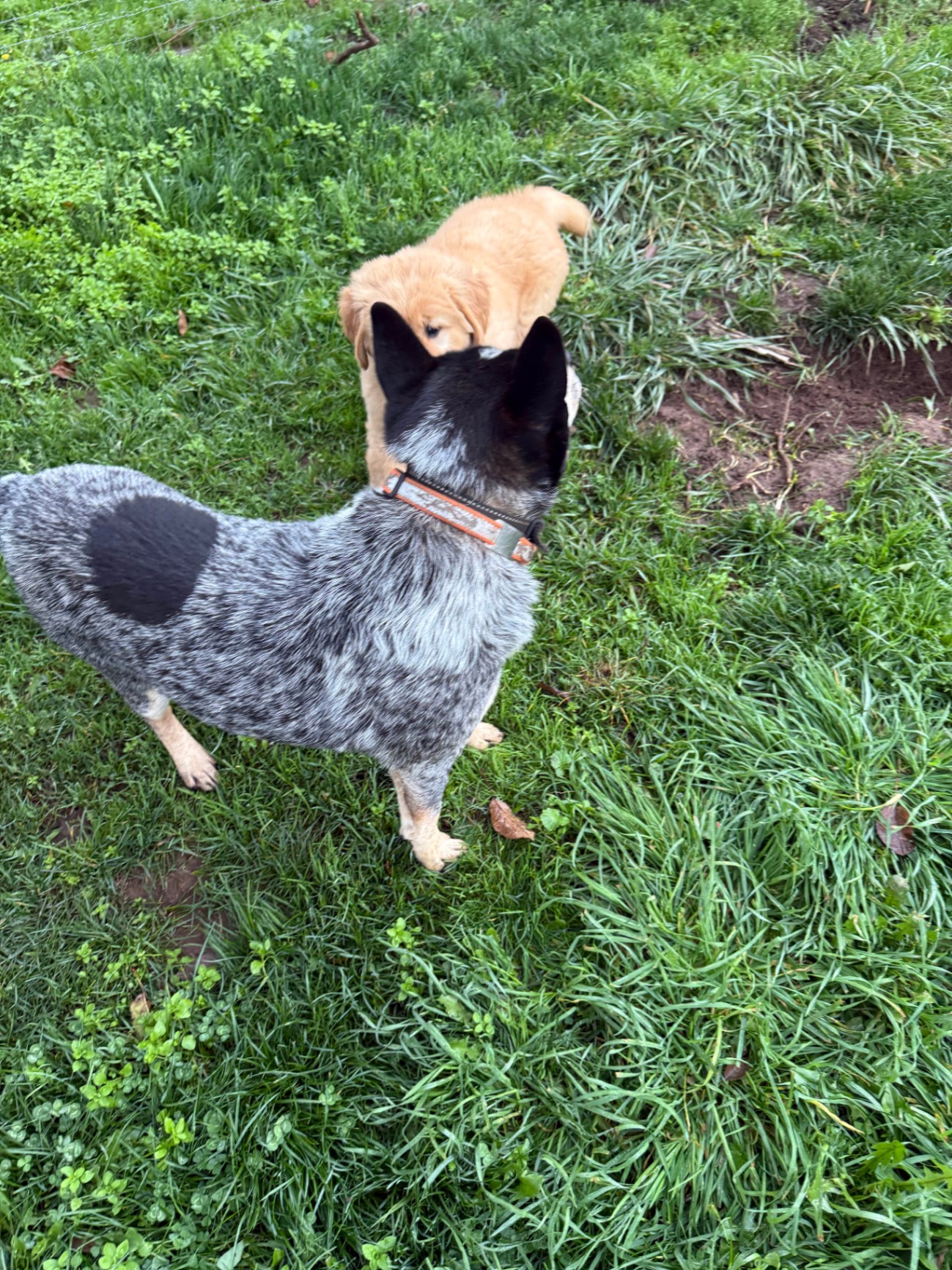
5. Comforting the Fear (The Reinforcement Trap)
It is our natural human instinct to coo and pet a dog when they are shaking or acting afraid. We want to tell them "It's okay, baby." However, in the canine world, this can sometimes backfire.
The Science: While you can't necessarily "reinforce" the emotion of fear, you can reinforce the behaviors associated with it. If a dog hides behind your legs and gets treats and cuddles, they may learn that hiding is the correct response to a new situation. Furthermore, if the owner is acting anxious or "fussy," the dog picks up on that energy and assumes there really is something to worry about.
How We Fix It: We maintain a "calm captain" persona. We acknowledge the dog's feelings but remain neutral and confident. We guide them through the situation with clear cues. We show them that we aren't worried, so they don't need to be either. It's about being a supportive leader, not just a source of comfort.
6. Thinking Socialization Ends After Puppyhood
The "critical window" for puppy socialization is usually cited as 3 to 16 weeks. While this is the most important time, many owners stop socialization efforts once the dog hits one year old.
The Science: Behavioral plasticity, the brain's ability to change, continues throughout a dog's life. However, social skills are "use it or lose it." Adult dogs can become "dog-selective" or even reactive if they don't have regular, positive social outlets.
How We Fix It: Our resort isn't just for puppies! We have many "senior citizens" who come for daycare just to enjoy the smells and the company of other calm dogs. Maintaining social health is a lifelong commitment, much like physical health. Even our grooming sessions are handled with a social, caring touch to keep older dogs comfortable with being handled.
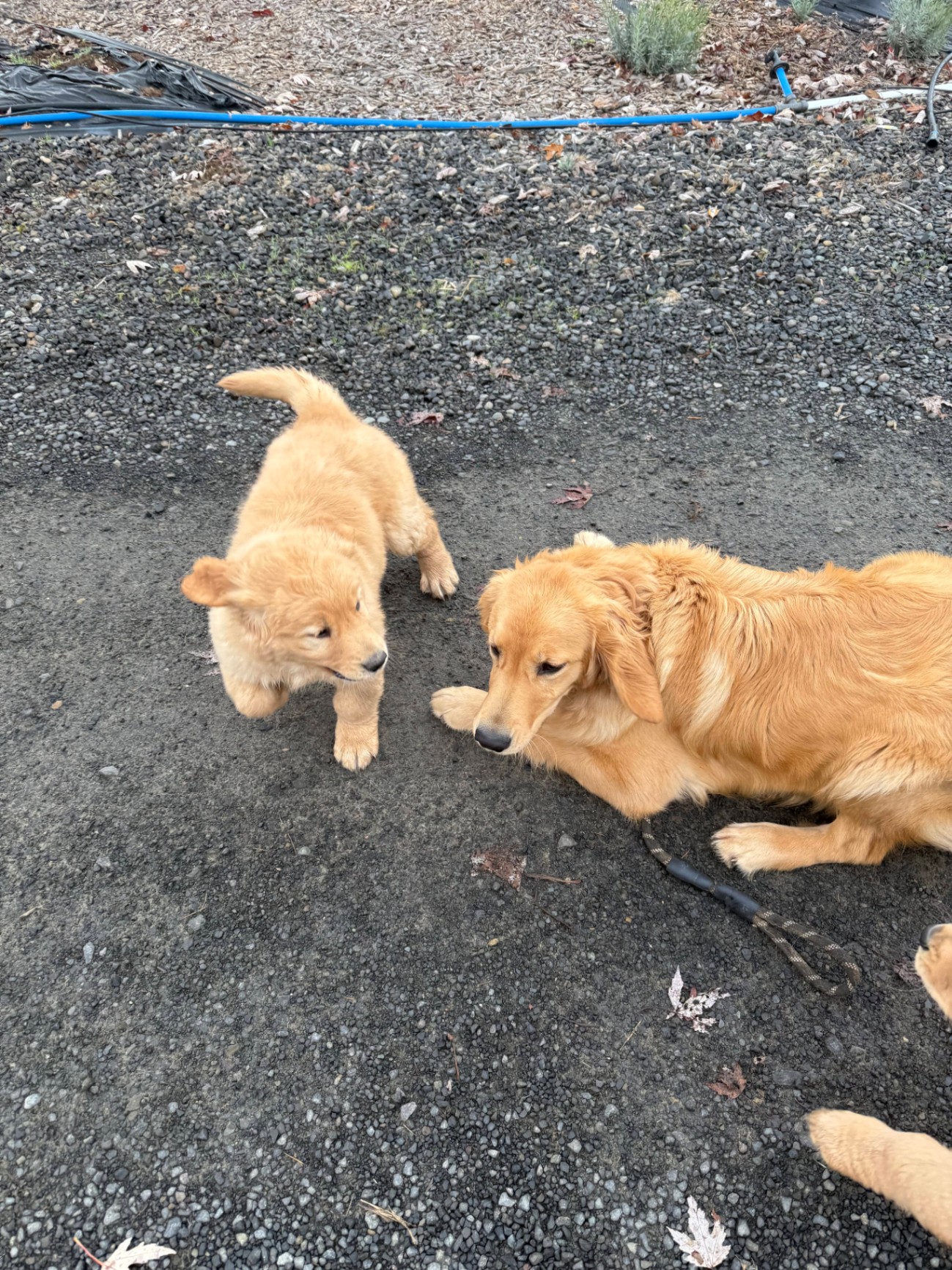
7. Ignoring Your Dog’s Personal Space
Every dog has a "bubble." Some bubbles are small, and some are as big as a football field. Forcing a dog to let a stranger pat them on the head or letting another dog charge into their face is a violation of that space.
The Science: Dogs communicate primarily through body language. A stiff tail, a lip lick, or a "whale eye" (showing the whites of the eyes) are all polite ways of saying "Please give me space." If these signals are ignored, the dog is forced to escalate to a growl or a snap to get their point across.
How We Fix It: We are advocates for the dogs in our care. If we see a dog is feeling overwhelmed, we step in. We teach our staff to recognize the subtle signs of stress before they turn into problems. We believe in "consent" in play: making sure both dogs actually want to be interacting.
Home Integration Tip: The "Watch the World" Game
To help your dog build confidence at home in Boring or Gresham, try the "Watch the World" game. Sit on your porch or a park bench (at a distance where your dog feels safe). Every time your dog looks at a "scary" or "exciting" thing (a bike, another dog, a loud truck) and then looks back at you, give them a high-value treat. This teaches them that they don't have to react to the world: they can just observe it and check in with you for guidance.
Our Philosophy at Green Acres K-9 Resort
At the end of the day, we’re more than just a business; we’re a family. We know how much you love your pups because we love ours just the same. My own dogs are often the ones testing out the new toys or lounging in the office while I catch up on paperwork. We strive to provide a "home away from home" that respects the science of how dogs learn while providing the warmth they deserve.
If you have questions about your dog's social journey, or if you're looking for a safe place for them to stay while you're away, don't hesitate to reach out to us at our contact page. We’re always here to help our Boring neighbors and their four-legged family members.
Stay pawsitive!
: Mark Griffin & The Green Acres Team
Bibliography & Peer-Reviewed Sources:
American Veterinary Society of Animal Behavior (AVSAB). (2008). "Position Statement on Puppy Socialization."
Serpell, J. A. (2017). "The Domestic Dog: Its Evolution, Behaviour and Interactions with People." Cambridge University Press.
Coppinger, R., & Coppinger, L. (2001). "Dogs: A Startling New Understanding of Canine Origin, Behavior & Evolution." Scribner.
Howell, T. J., King, T., & Bennett, P. C. (2015). "Puppy parties and beyond: the role of early age socialization and training in the development of adult dog behavior." Veterinary Medicine: Research and Reports.
Dietz, L., et al. (2018). "The importance of early life experiences on the development of behavioural disorders in domestic dogs." Journal of Veterinary Behavior.
Comments