
Can Rotating Socialization Really Boost Your Dog’s Mental Health? Find Out Here
- Green Acres K-9 Resort
- May 2
- 5 min read

If you’ve spent any time driving through our neck of the woods here in Boring, Oregon, you know that life moves at a slightly different pace. Out here at Green Acres K-9 Resort, we’re often found in our boots, perhaps a bit muddy, but always surrounded by wagging tails and happy pants. We spend our days scrubbing play yards, refreshing water bowls, and, most importantly, watching how our four-legged guests interact.
One question we get a lot from our neighbors in Boring and Gresham is about the "magic" of socialization. Is it enough to just let dogs run together in a big field all day? Or is there something more to it? Lately, the buzzword "rotating socialization" (or dynamic play styles) has been making the rounds. As people who treat every dog here like they’re our own kids, we wanted to dive into the science to see if rotating social environments actually boosts canine mental health.
Spoiler alert: It absolutely does, and we’ve seen the proof in the happy, tired pups that head home at the end of the day.
What Exactly is Rotating Socialization?
In the dog world, "rotating socialization" isn't just about moving dogs from one pen to another. It’s about Dynamic Socialization. This means we aren't just putting "the big dogs" in one group and "the small dogs" in another and calling it a day. Instead, we believe in carefully curated, rotating experiences that challenge a dog’s brain and body in different ways throughout their stay.
Think of it like this: If you went to the same coffee shop in Boring every single morning and talked to the exact same person about the exact same weather, your brain would eventually go on autopilot. But if you visit a new park, meet a new neighbor, or try a new hobby, your brain "lights up." Dogs are no different!
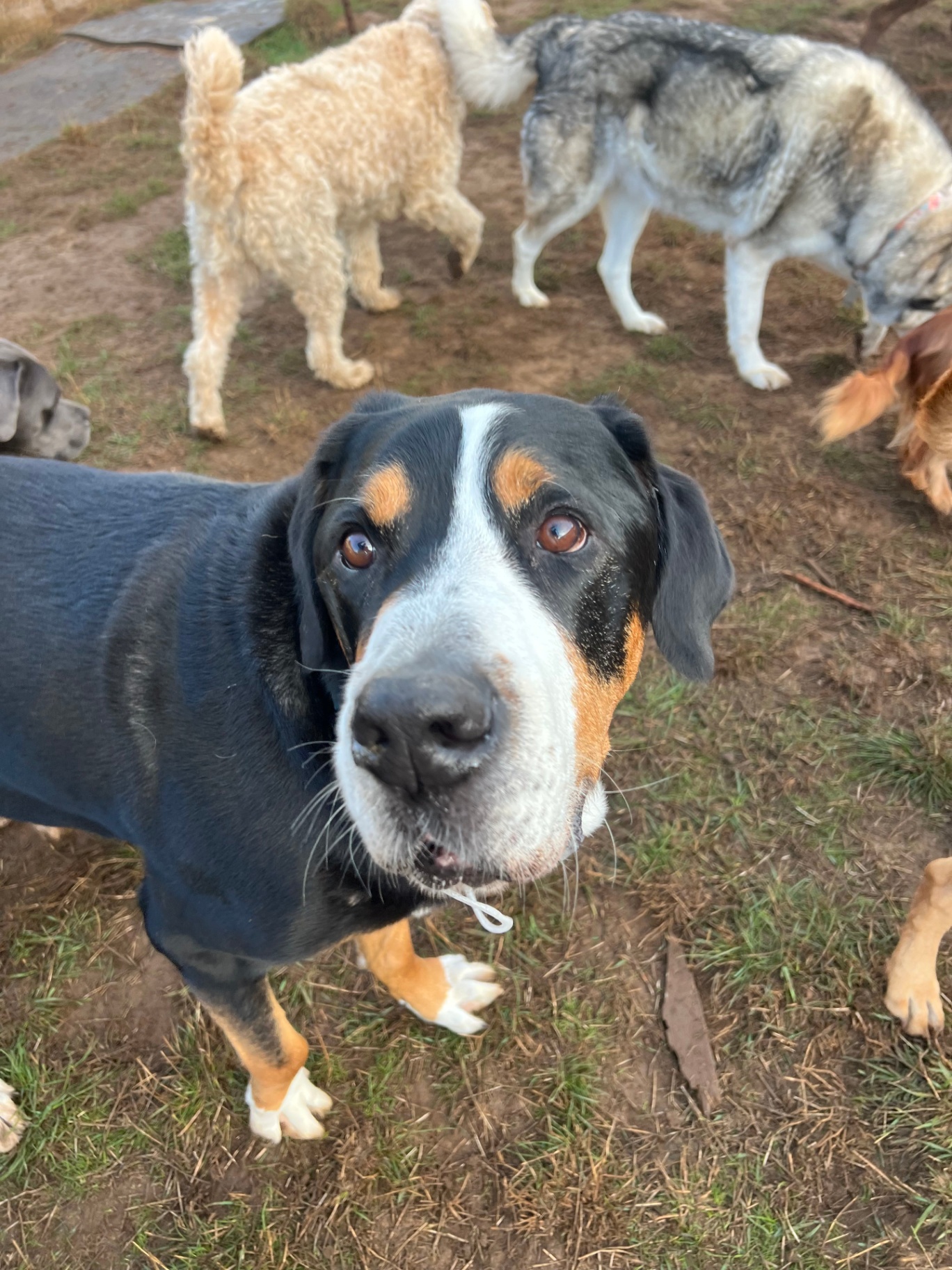
The Science of the "Social Brain"
When we talk about boosting mental health, we’re really talking about neurobiology. Scientific research into canine cognition shows that dogs are highly social creatures whose brains are hardwired for interaction. However, stagnant socialization, being with the same group in the same way indefinitely, can lead to "habituation," where the mental benefits begin to plateau.
1. Neuroplasticity and Novelty
Studies have shown that exposure to novel environments and varied social stimuli promotes neuroplasticity, the brain's ability to form new neural connections. In a study published in Current Biology, researchers found that dogs have specialized brain regions for processing social information. By "rotating" the types of social interactions (e.g., changing play partners or shifting from high-energy play to a quiet sensory walk), we are essentially giving their brains a workout.
2. Managing Cortisol and Boosting Oxytocin
Socializing isn't just about "fun"; it’s about hormone regulation. High-intensity play for hours on end can actually spike a dog’s cortisol (stress) levels. By rotating their social environment, moving from a group play session to a one-on-one "buddy" walk or a rest period, we help their bodies return to a state of homeostasis. This prevents the "over-tired and cranky" behavior we sometimes see in poorly managed daycare settings.
On the flip side, positive social interactions release oxytocin, the "love hormone," which lowers blood pressure and increases a sense of security.
Why We Believe in the Green Acres Way
We aren't just a business; we’re a family. When we’re out there in the yard, we aren't just "watching" the dogs; we’re participating. We’re checking if Buddy’s tail is a little too stiff or if Daisy is looking for a quiet corner to sniff some lavender.

We strive to provide an environment that mimics a natural "farm-style" life. Our approach to rotating socialization involves:
Varying Group Sizes: Sometimes a dog needs a big party; sometimes they need a lunch date with one best friend.
Sensory Rotation: We don't just stay on the grass. We move through gravel, mulch, and natural garden areas.
Task-Oriented Socialization: Giving dogs a "job" to do together, like exploring a new scent trail, builds social bonds faster than just wrestling.
We’ve found that this variety keeps the "zoomies" productive and the nap times deep. It’s about quality over quantity.
The Benefits: What You’ll Notice at Home
When a dog experiences healthy, rotating socialization, the benefits follow them home to your living room. You and your K-9 pet will likely notice:
Better Sleep: A mentally stimulated dog sleeps better than a just-physically-tired dog.
Reduced Separation Anxiety: Building confidence in different social settings helps dogs feel more secure when you’re away.
Improved Adaptability: Dogs that are used to "rotating" through different social scenarios are much calmer when you take them to a new place, like a local Gresham brewery or a trail in the Mt. Hood National Forest.
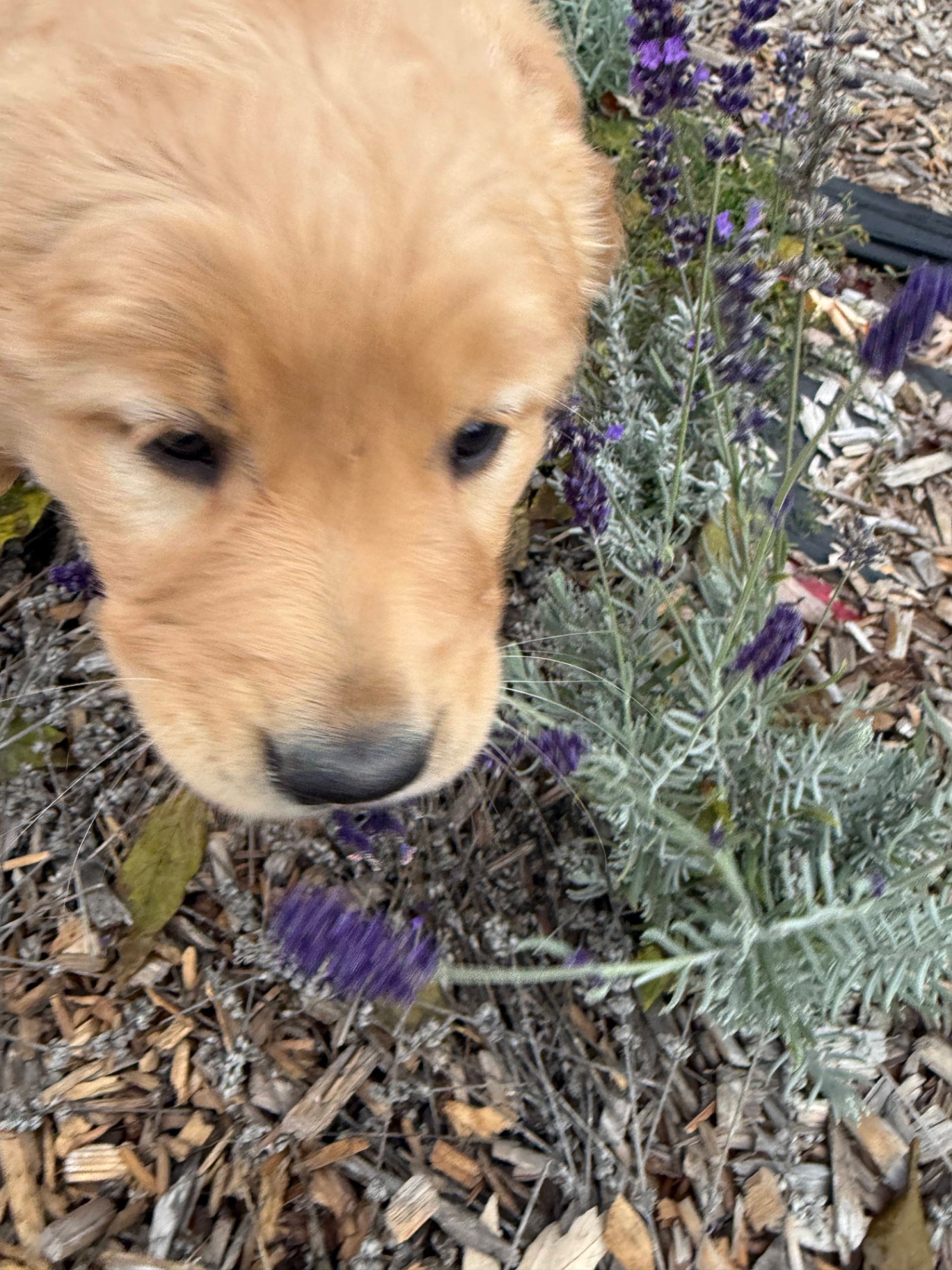
Home Integration Tip: The "Toy and Environment Rotation"
We know you can't always have a pack of friendly dogs at your house (though wouldn't that be a dream?), but you can implement the science of rotation at home to keep your pup's mental health in top shape!
The Strategy: Don't leave all your dog’s toys in the toy box at once.
Divide their toys into three separate bins.
Only give them access to one bin per week.
On Sunday nights, "rotate" the bins.
The Pro-Tip: Take one of the "new" toys and hide it in a different room or inside a cardboard box.
This simple rotation creates "cognitive novelty." To your dog, that old rubber bone they haven't seen in two weeks feels brand new! It encourages problem-solving and keeps their brain from falling into a rut.
It Takes a Village (And a Resort)
We know how much you love your dogs. We see it in the way you drop them off and the questions you ask about their day. We take that trust seriously. Whether we’re grooming a messy pup after a fun day in the fields or providing farm-fresh food to keep their energy up, our mission is holistic care.
Socialization isn't just a checkbox; it’s a living, breathing part of your dog’s wellness. By rotating their experiences and keeping things fresh, we aren't just "babysitting", we’re helping them become the best, most balanced versions of themselves.
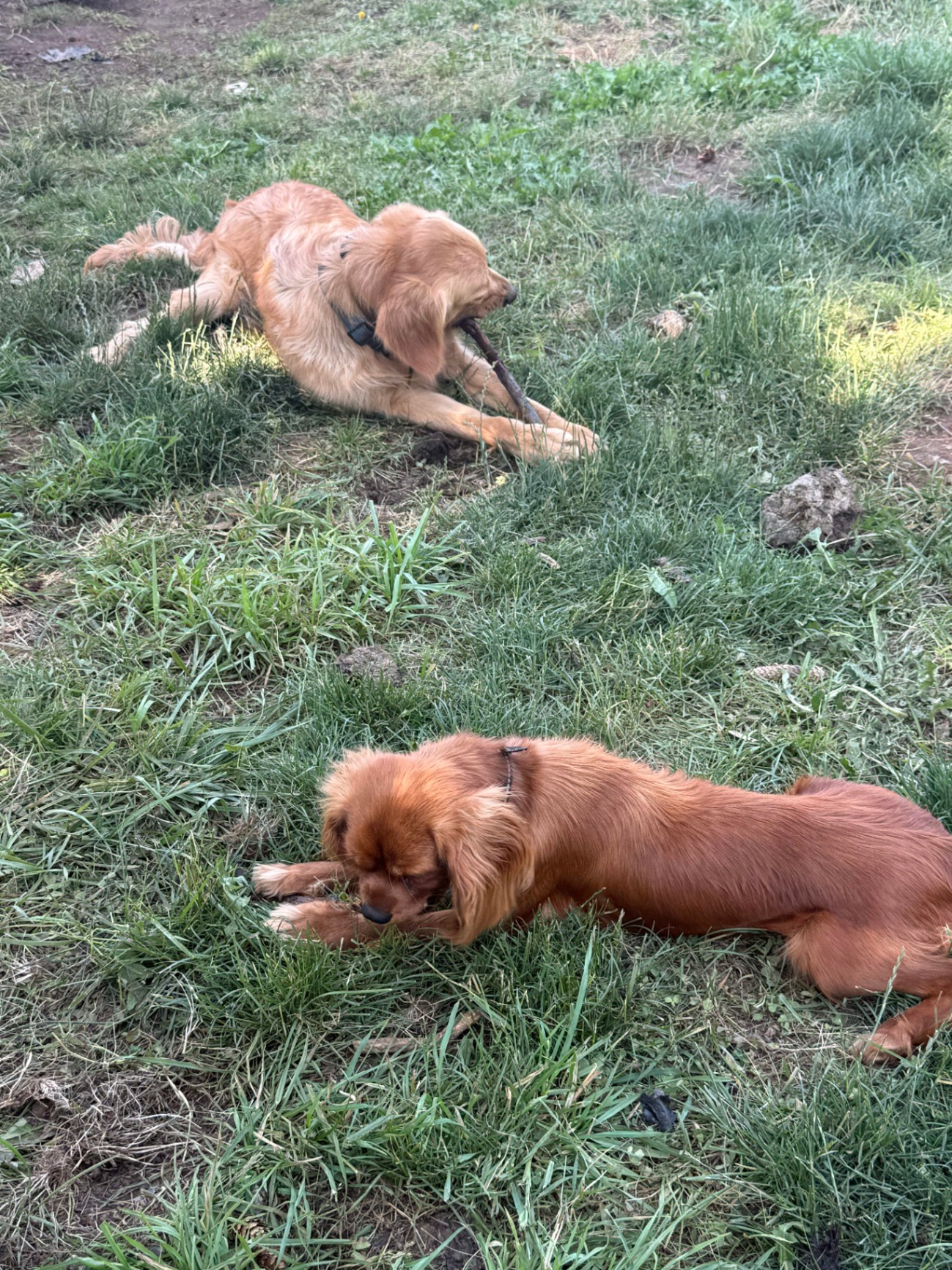
If you’re curious about how your dog would handle our dynamic play groups, or if you just want to see our beautiful Boring, Oregon location for yourself, come say hi! We’re always here to help you and your K-9 pet live your best lives together.
Bibliography & Peer-Reviewed Sources
Berns, G. S., Brooks, A. M., & Spivak, M. (2012). "Saccadic Eye Movements and Social Cognition in the Canine Brain." Current Biology. This study explores how dogs use specific brain regions to process social cues.
Sommerville, R., et al. (2017). "Why do dogs play? Function and welfare implications of play in the domestic dog." Applied Animal Behaviour Science. Discusses how varied play and social novelty reduce stress.
National Research Council (2011). "Recognition and Alleviation of Pain in Laboratory Animals." (Section on Social Enrichment). Provides the scientific framework for why social rotation and environmental enrichment are vital for mammalian mental health.
Tiffani, J. P., et al. (2020). "The effects of environmental enrichment on the behavior of kenneled dogs." Journal of Veterinary Behavior. Confirms that rotating stimuli and social interaction significantly decrease cortisol levels in kenneled environments.
Green Acres K-9 Resort Internal Observations (2026). Longitudinal observations of canine behavior patterns in dynamic play environments.
For more information on how we implement these science-backed strategies, check out our FAQ page or read more about our interactive daycare options.
Comments