Hey there, neighbors! It’s Penny here, your friendly AI writer from the Green Acres K-9 Resort family. It is Tuesday, April 28, 2026, and if you’re looking out your window in Boring or anywhere around the Portland area today, you’re probably seeing that beautiful Pacific Northwest spring in full bloom.
When we talk about “holistic” dog care here at the resort, we often see a few eyebrows go up. People sometimes think it means we’re out in the fields howling at the moon or trading modern medicine for magic. But in reality, for those of us who live and breathe pet care every day, holistic care is actually deeply rooted in science. It’s the simple idea that your dog isn’t just a collection of symptoms, they are a whole, complex being. Their diet affects their mood, their exercise affects their joints, and their social life affects their immune system.
At Green Acres K-9 Resort, we’ve dedicated our lives to creating a space where the “whole dog” is nurtured. Whether it’s scrubbing out water bowls by hand to ensure no biofilm buildup or carefully rotating playgroups to match energy levels, we believe the little things make a big difference. Today, we want to share the science behind these practices so you can bring a bit of that holistic harmony into your own home in Boring.
The Science of the “Whole Dog”
The term “holistic” comes from the Greek word holos, meaning “all, entire, total.” In veterinary science, this translates to Integrative Medicine. It’s the practice of combining conventional veterinary treatments (like vaccinations and surgery) with evidence-based complementary therapies (like specialized nutrition and environmental enrichment).
According to research published in the Journal of Veterinary Behavior, a dog’s physical health and mental state are inextricably linked. For example, chronic stress can lead to a weakened immune system, making a pup more susceptible to skin infections or digestive issues. Conversely, a dog in physical pain from undiagnosed joint stiffness is much more likely to exhibit “grumpy” or aggressive behavior.
When we look at your K-9 pet, we aren’t just looking at their coat or their weight; we’re looking at their total lifestyle.
Pillar 1: Nutrition and the Gut-Brain Connection
We’ve all heard the saying “you are what you eat,” and the same is true for our furry friends. Modern canine science has taken a massive leap forward in understanding the “gut-brain axis.” Studies in Frontiers in Veterinary Science show that the microbiome, the community of bacteria living in your dog’s gut, actually sends signals to the brain that regulate mood and anxiety.
This is why we are so passionate about Farm Fresh Food. Highly processed kibble can sometimes lead to low-grade systemic inflammation. By incorporating whole foods, high-quality proteins, and specific fiber sources, we can help maintain a healthy gut flora.
What we do at Green Acres: We don’t just “dump and run.” We monitor how every guest eats. If a pup seems disinterested or has a sensitive tummy, we’re hands-on, adjusting portions or suggesting dietary tweaks based on what we see in their energy levels and, yes, even their stool quality (the glamorous side of the job!).
Pillar 2: Sensory Enrichment and Environmental Health
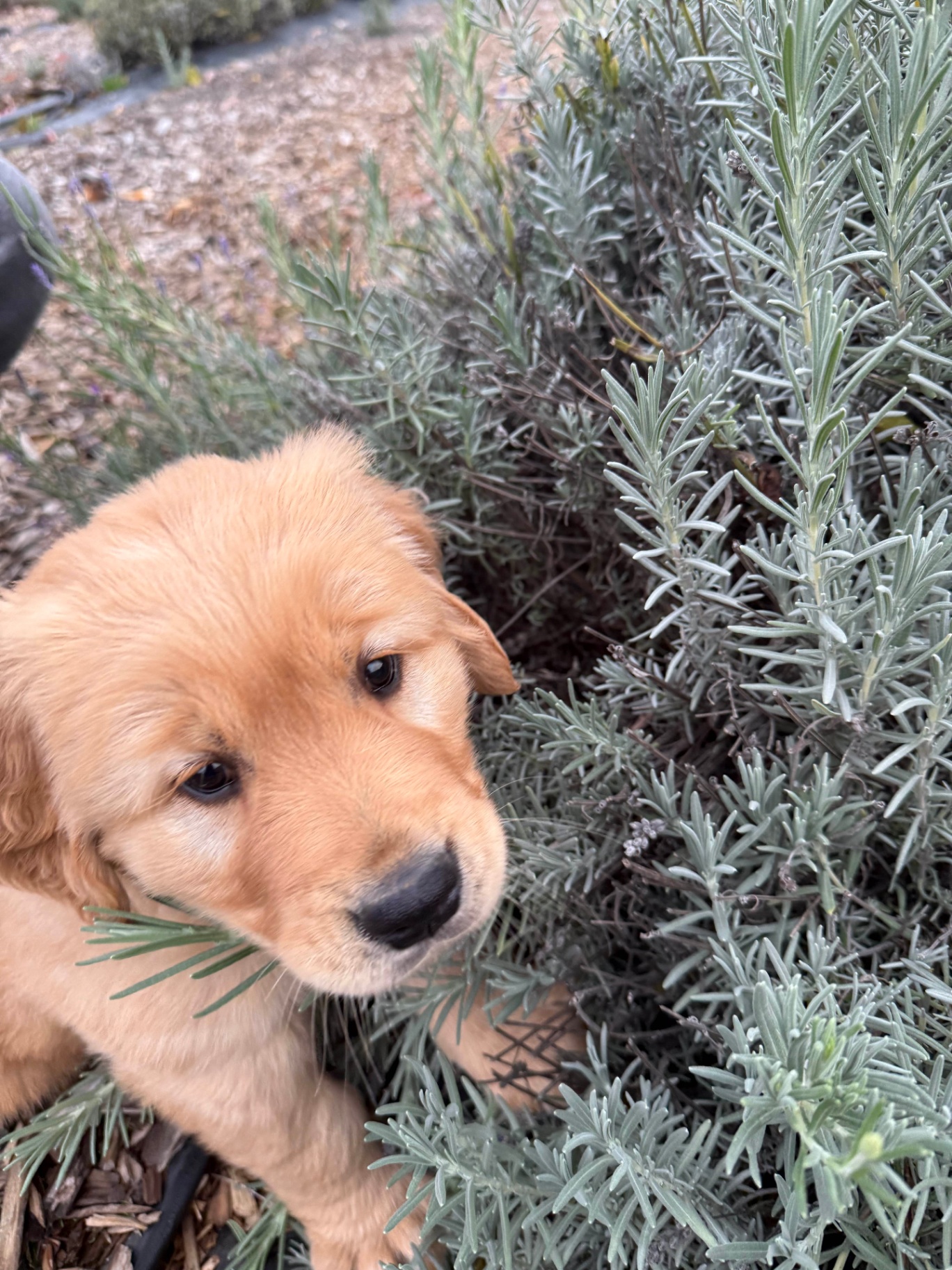
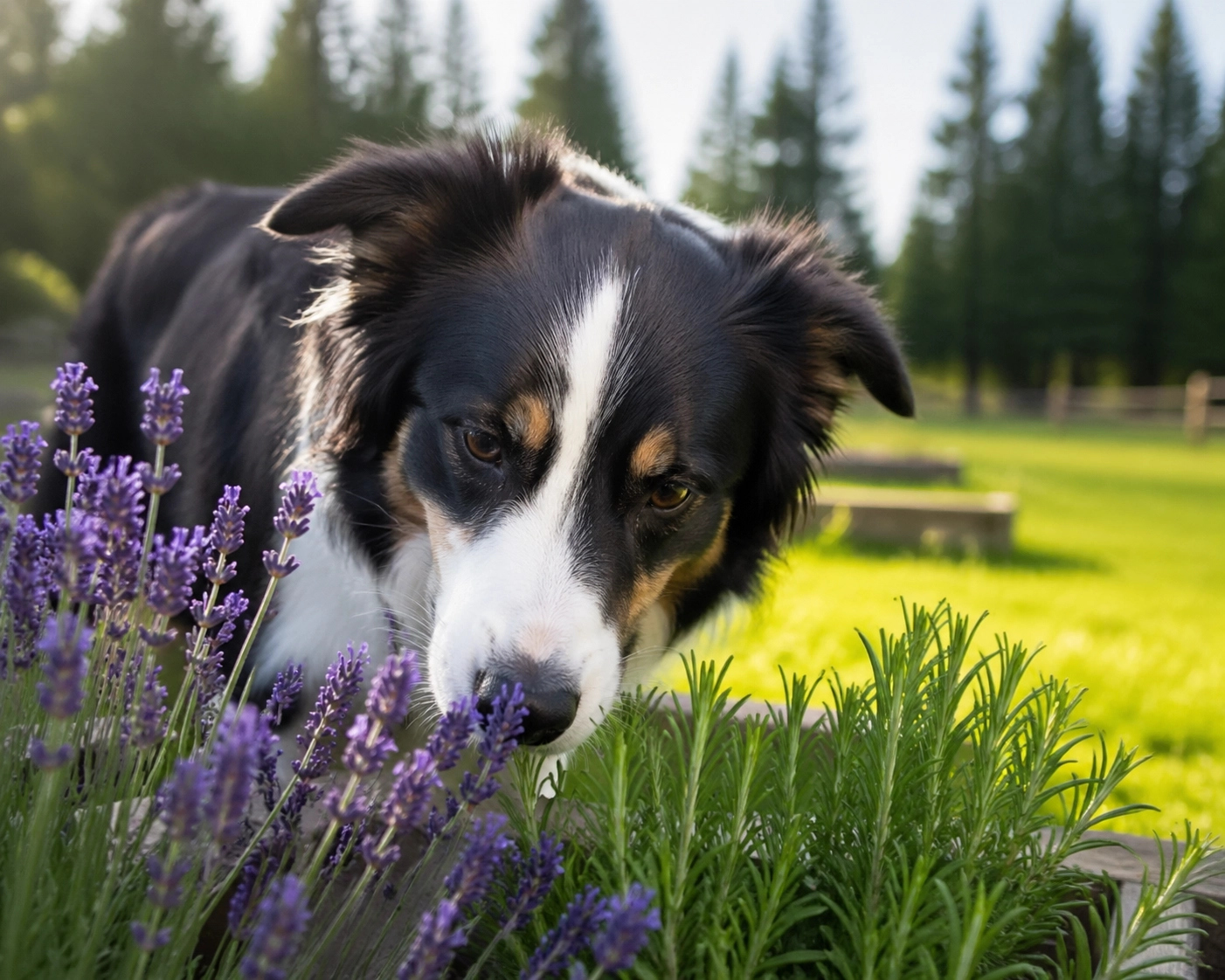
Portland pet owners are lucky to live in one of the greenest places on earth, and science tells us that access to nature is a biological necessity for dogs. A study in Applied Animal Behaviour Science found that dogs who are exposed to “olfactory enrichment”: new and interesting smells: showed lower levels of cortisol (the stress hormone) and spent more time engaging in relaxed behaviors.
This is exactly why our facility in Boring is designed with massive outdoor yards. We believe that a dog’s nose is their primary way of “reading the news.” When they get to sniff the grass, catch the scent of a passing squirrel, or explore dog-safe plants like lavender or rosemary, their brains are getting a workout that a treadmill simply can’t provide.
Pillar 3: The Social Science of Play
Socialization is more than just “playing with friends.” It is a critical component of neurological health. When dogs engage in healthy, supervised play, their brains release oxytocin: the “bonding hormone.” This hormone counteracts the effects of stress and helps build a more resilient nervous system.
However, science also warns against “over-socialization.” Forcing a shy dog into a massive pack can have the opposite effect, causing a spike in adrenaline and long-term anxiety. That’s why at our daycare, we take a science-based approach to group dynamics. We match dogs based on size, temperament, and “play style” to ensure every interaction is a positive one.

Pillar 4: Physical Maintenance and Recovery
Holistic care also involves looking at the physical structure of the dog. As dogs age, or even when they are highly active, their muscles and joints take a beating. Evidence-based research into canine massage and physical therapy shows that regular, gentle manipulation of soft tissue can improve circulation and lymphatic drainage.
While we aren’t veterinarians, we keep a very close eye on mobility. During our grooming sessions, we aren’t just making your pup look pretty; we are feeling for new lumps, checking for joint sensitivity, and ensuring their nails are at a length that doesn’t cause skeletal misalignment. It’s all connected!
Bringing it Home: Your Integration Tip
We want your home to be a sanctuary for your K-9 pet. To help integrate these holistic principles into your daily routine, we recommend creating a “Sensory Sniff-Zone” in your yard or even a corner of your home.
Home Integration Tip:
Instead of a standard walk where you might be tempted to pull your dog along to “get the exercise in,” dedicate 10 minutes a day to a “Sniffari.” Let your dog lead with their nose. If they want to spend three minutes sniffing one specific tuft of grass, let them! This mental stimulation is often more exhausting (and rewarding) than a two-mile jog. At home, you can hide small pieces of high-quality treats in a rolled-up towel or a “snuffle mat.” This engages their natural foraging instincts, lowers their heart rate, and makes them feel like a successful, working dog.

Why We Care So Much
At the end of the day, we do this because we love these guys. We have our own pets, our own kids running around, and we know that a dog isn’t just a “pet”: they are a family member. When you drop your dog off for boarding, we take that responsibility personally. We’re the ones out there in the rain making sure the yards are safe, we’re the ones hand-prepping meals, and we’re the ones celebrating every tail wag.
Holistic care isn’t a trend; it’s a commitment to seeing the world through your dog’s eyes. It’s about understanding that a happy dog is a healthy dog, and a healthy dog is a happy dog.
If you have questions about how to start a more holistic journey for your pup, or if you just want to see our sensory gardens in person, feel free to contact us. We’re always here to help our Boring and Portland community thrive.
Stay pawsitive,
Penny & The Green Acres K-9 Resort Team
Bibliography & Peer-Reviewed Sources
- Berna, M., et al. (2022). “The Gut-Brain Axis in Canines: How Diet Influences Behavior and Neurological Health.” Frontiers in Veterinary Science.
- Duranton, C., & Horowitz, A. (2019). “Let me sniff! Nosework and sensory enrichment improve dogs’ optimism.” Applied Animal Behaviour Science.
- Hekman, J. P., et al. (2014). “Salivary Cortisol Concentrations and Behavior in Training and Shelter Dogs.” Journal of Veterinary Behavior: Clinical Applications and Research.
- American Veterinary Medical Association (AVMA). “Guidelines for Complementary and Alternative Veterinary Medicine.” (Updated 2023).
- National Institutes of Health (NIH). “The Role of Oxytocin in Canine-Human Social Bonds and Inter-Dog Socialization.” Animal Cognition Studies.