
How to Integrate Enrichment Into Family Life: The Proven 3-Part Framework (Food, Scent, and Play) for Boring Dog Owners
- Green Acres K-9 Resort
- Feb 27
- 5 min read

Hey there, neighbors! Mark Griffin here from Green Acres K-9 Resort. If you’re reading this from your kitchen in Boring, Damascus, or Sandy, you probably know that being a dog parent is about a lot more than just long walks and belly rubs. It’s about building a life together.
Lately, we’ve been talking a lot at the resort about "enrichment." Now, I know that sounds like a fancy buzzword you’d hear in a corporate boardroom, but in our world, it’s much simpler. Enrichment is just a way of saying, "Let’s give our dogs a job that makes their brains feel as good as their bodies."
We see it every day out here on the farm. When a dog is mentally stimulated, they’re calmer, they’re more confident, and they’re a whole lot less likely to chew up your favorite pair of boots. We believe that every dog deserves a life full of variety, and we strive to bring that same philosophy from our play yards right into your living room.
To make it easy, we’ve broken it down into a simple 3-part framework: Food, Scent, and Play. Here is how you can weave these into your family’s daily routine without needing a PhD in animal behavior or a huge budget.
1. Food Enrichment: Beyond the Bowl
In the wild, dogs don't have a nice human to set down a ceramic bowl of kibble at 7:00 AM. They are natural foragers. Science tells us that dogs actually prefer to "work" for their food: a phenomenon known as contrafreeloading. Studies have shown that when given the choice between free food and food they have to solve a puzzle for, many animals choose the puzzle.
When we feed our pups at Green Acres, we often use slow feeders or scatter techniques to keep them engaged. At home, you can do the same.
How to integrate it:
The Muffin Tin Challenge: Turn a muffin tin upside down and scatter kibble between the bumps. Or, keep it right side up, put treats in the cups, and place tennis balls on top. Your dog has to figure out how to move the balls to get the prize.
The "Snack Towel": This is a favorite for my own dogs. Take an old towel, lay it flat, scatter some treats, and then roll it up tight. Your dog will spend ten minutes unrolling and sniffing out every last crumb.
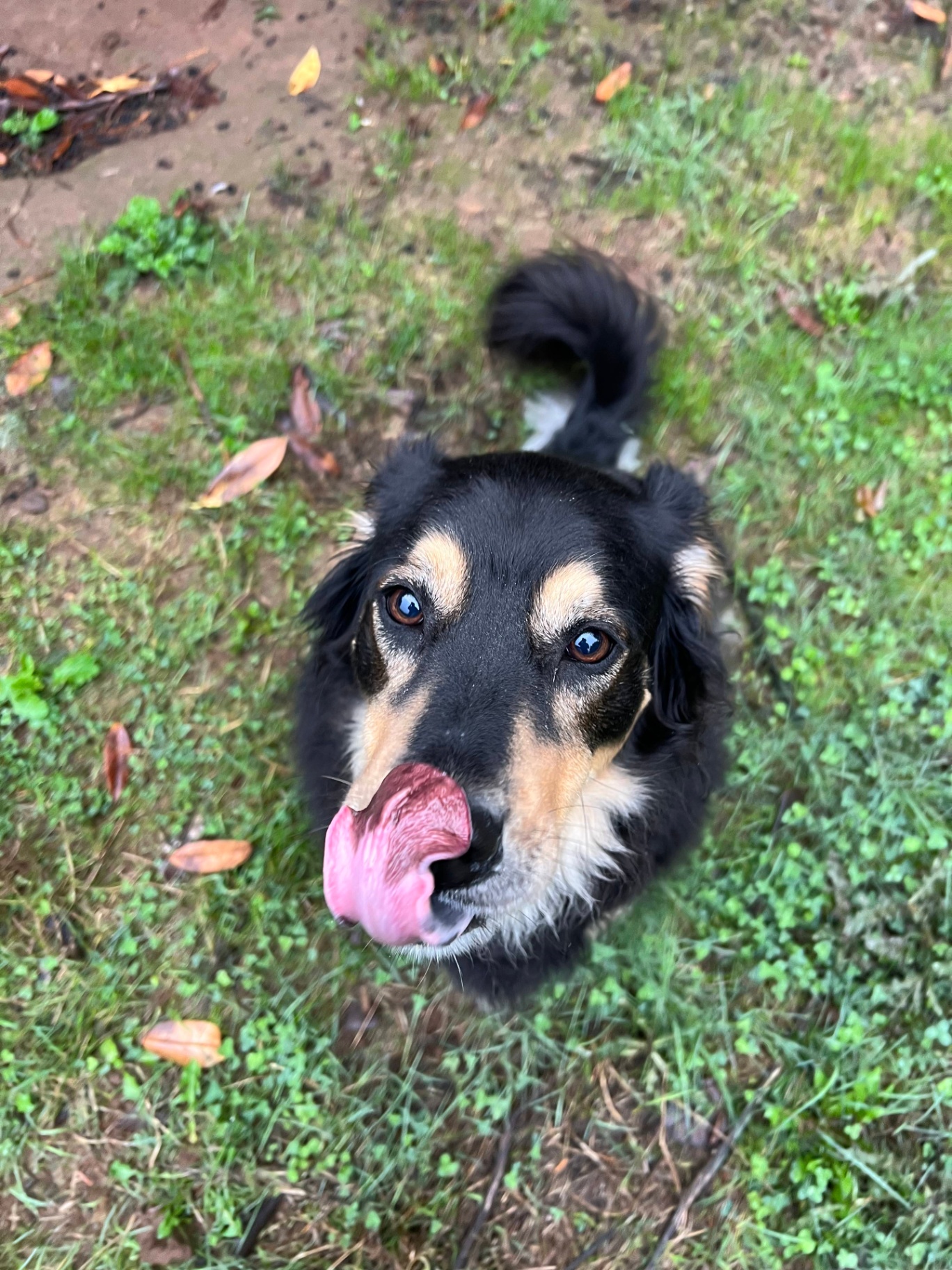
Scatter Feeding: If it’s a nice Boring afternoon, take a handful of kibble and toss it into the grass in your backyard. Let them spend fifteen minutes using their nose to find breakfast. It’s the easiest way to turn a 30-second meal into a long-form mental workout.
2. Scent Enrichment: Letting the Nose Lead
If you’ve ever walked a dog, you know they see the world through their nose. While humans have about 6 million olfactory receptors, our dogs have up to 300 million. Part of their brain devoted to analyzing smells is, proportionally, 40 times greater than ours.
When we ignore a dog’s need to sniff, we’re essentially asking them to live in a world with their eyes closed. Scent work has been scientifically proven to lower a dog’s heart rate and increase their sense of optimism.
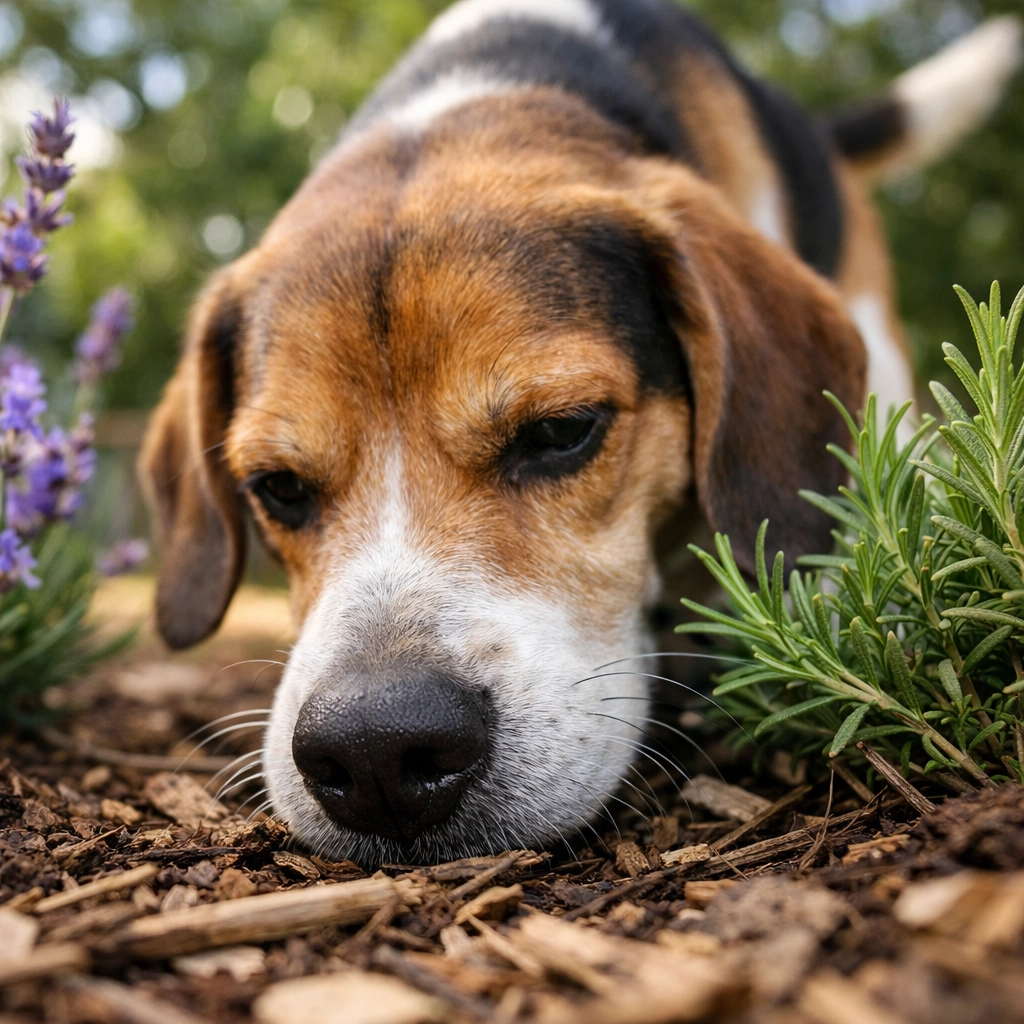
At Green Acres, we’ve intentionally designed our outdoor areas with different textures and plants to encourage "nose-time." We believe that a "sniffari" is just as important as a sprint.
How to integrate it:
The "Find It" Game: This is a great one for the kids to help with. Have your dog stay in one room while you or the kids hide high-value treats (think small pieces of cheese or chicken) around the living room. Release the dog with the command "Find it!" and watch their tail go wild as they track the scent.
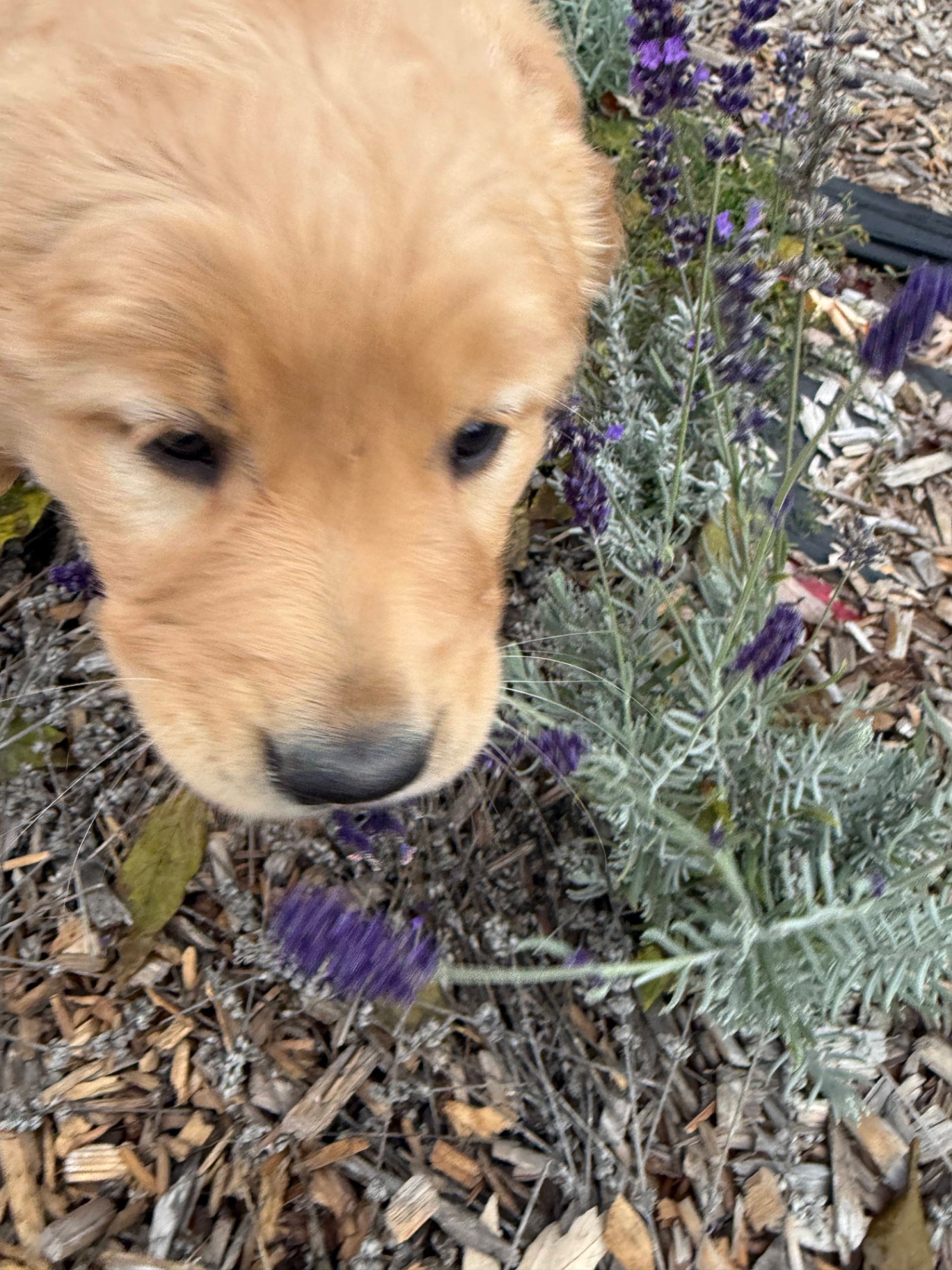
A Sensory Garden: If you have a backyard, consider planting dog-safe herbs like lavender, rosemary, or mint. These provide a rotating menu of smells for your dog to investigate.
3. Play Enrichment: Building the Bond
Play isn't just about burning off energy; it’s about social connection. When you play with your dog, both of you experience a surge in oxytocin: often called the "bonding hormone."
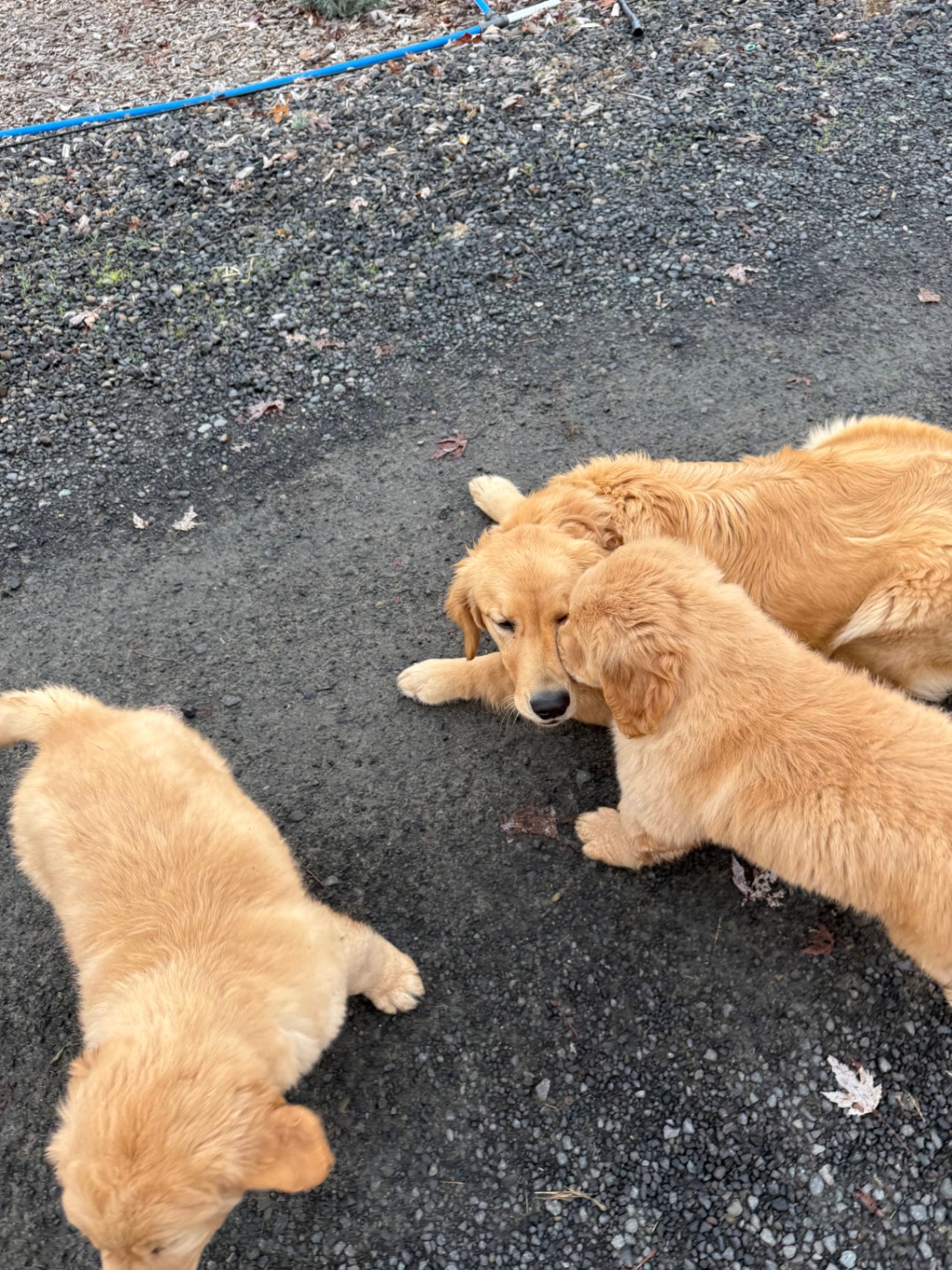
We see this beautifully in our group play sessions at the resort. Social play helps dogs learn boundaries, communication, and builds their confidence. But play at home should be a mix of "dog-on-dog" and "dog-on-human" interaction.
How to integrate it:
Indoor Agility: You don’t need fancy equipment. Use a broomstick balanced between two chairs as a jump, or a pop-up tunnel for the kids to crawl through with the dog. It teaches your dog to follow your lead and navigate physical challenges.
Tug-of-War (with Rules): Tug is a fantastic way to build a relationship. The key is to teach a "drop it" command. It turns a physical game into a listening exercise.
Supervised Socialization: If your dog has a "best friend" in the neighborhood, invite them over for a playdate in a fenced yard. Watching two dogs communicate through play is one of the most rewarding things you can do.
The Green Acres Home Integration Tip
We know life in Boring can get busy. Between school runs, work, and errands, it’s hard to find an extra hour for "enrichment."
Our tip: The "Tuesday Transition." Pick one evening a week: let's say Tuesday: where the family "swaps" chores. Instead of the kids just putting the food bowl down, have them spend 10 minutes creating a "box shredding" station. Take your recycling (cereal boxes, toilet paper rolls), put treats inside, tape them loosely, and let your dog go to town tearing them open. It’s a great way to involve the kids in the "caring" aspect of pet ownership, and it turns trash into a treasure hunt!
Why We Care So Much
At Green Acres K-9 Resort, we don’t just see ourselves as a place for your dog to stay while you’re away. We see ourselves as partners in your dog’s well-being. Whether I’m out there picking up toys in the rain or watching a puppy discover a lavender bush for the first time, I’m reminded that these small moments of engagement are what make a dog’s life whole.
We strive to create an environment that mimics the richness of a natural life, and we hope this 3-part framework helps you bring a little bit of that "resort life" back home to your family.
If you ever have questions about how to handle a specific behavior or want to see our sensory gardens in person, come on by and say hi. We’re all in this together!
Stay wagging,
Mark Griffin Vice President, Green Acres K-9 Resort
Bibliography & Peer-Reviewed Sources
McGreevy, P. D., & Boakes, R. A. (2011).Carrots and Sticks: Principles of Animal Training. Cambridge University Press. (Focusing on the science of contrafreeloading and cognitive challenge).
Duranton, C., & Horowitz, A. (2019). "Let me sniff! Nosework induces positive judgment bias in pet dogs." Applied Animal Behaviour Science, 211, 61-66. (Scientific evidence on how sniffing increases canine optimism).
Hall, N. J. (2017). "The use of scent work for enrichment in kennelled dogs." Journal of Veterinary Behavior, 15, 81.
Panksepp, J. (2004).Affective Neuroscience: The Foundations of Human and Animal Emotions. Oxford University Press. (On the neurological benefits of play and social bonding).
Young, R. J. (2003).Environmental Enrichment for Captive Animals. Blackwell Science. (The foundational framework for food and sensory enrichment).
Comments