
Looking for Interactive Dog Daycare in Gresham? Here Are 10 Things You Should Know (and What to Ask)

Hey there, neighbors! Mark here from Green Acres K-9 Resort. If you’re living out here in Boring or driving through Gresham on your way to work, you know that our corner of Oregon is a paradise for dogs. We’ve got the trails, the fresh air, and plenty of space. But as much as we love a good walk on the weekends, the Monday-to-Friday hustle can be tough on our four-legged family members.
Choosing a daycare isn't just about finding a place to "drop off" your pup; it’s about finding a second home where they are understood, safe, and truly engaged. We see ourselves as more than just a service: we’re a team of helpers, cleaners, and dog-lovers who treat every visitor like they’re our own. I spend a good chunk of my day out in the yards, sometimes getting my boots muddy or power-washing the play structures, because we believe that a clean, well-managed environment is the foundation of a happy dog.
When you’re looking for interactive dog daycare in Gresham, the options can feel a bit overwhelming. To help you make the best choice for your furry kid, we’ve put together this guide on the 10 essential things you should know: and exactly what you should ask before signing that enrollment form.
1. The Science of the "Trial Run" (Evaluation)
Before a dog ever joins a playgroup at a quality facility, they must undergo a temperament evaluation. This isn't just a formality; it’s rooted in canine ethology. Every dog has a unique social threshold.
The Science: According to the American Veterinary Society of Animal Behavior (AVSAB), inappropriate social pressure can lead to "trigger stacking," where small stressors build up until a dog reacts aggressively. A proper evaluation monitors a dog’s cortisol levels (indirectly, through body language like lip licking or tucked tails) to ensure they actually enjoy the company of others rather than just "tolerating" it.
What to Ask:"What specific behaviors are you looking for during the evaluation, and what happens if my dog seems stressed?"
2. Health Standards: Beyond Just "The Basics"
You’ll find that most places in Gresham require Distemper, Parvo, and Rabies shots. But for interactive play, you need to look deeper into "herd health."
The Science: In high-traffic environments, parasites like Giardia can spread quickly through shared water bowls or communal areas. Research in the Journal of Veterinary Diagnostic Investigation highlights that asymptomatic carriers can shed cysts in their stool, making rigorous cleaning and negative Giardia tests essential for group safety.
What to Ask:"Do you require a negative Giardia test in addition to standard vaccinations? How often do you sanitize your outdoor water sources?"
3. Enrichment vs. "Free-for-All"
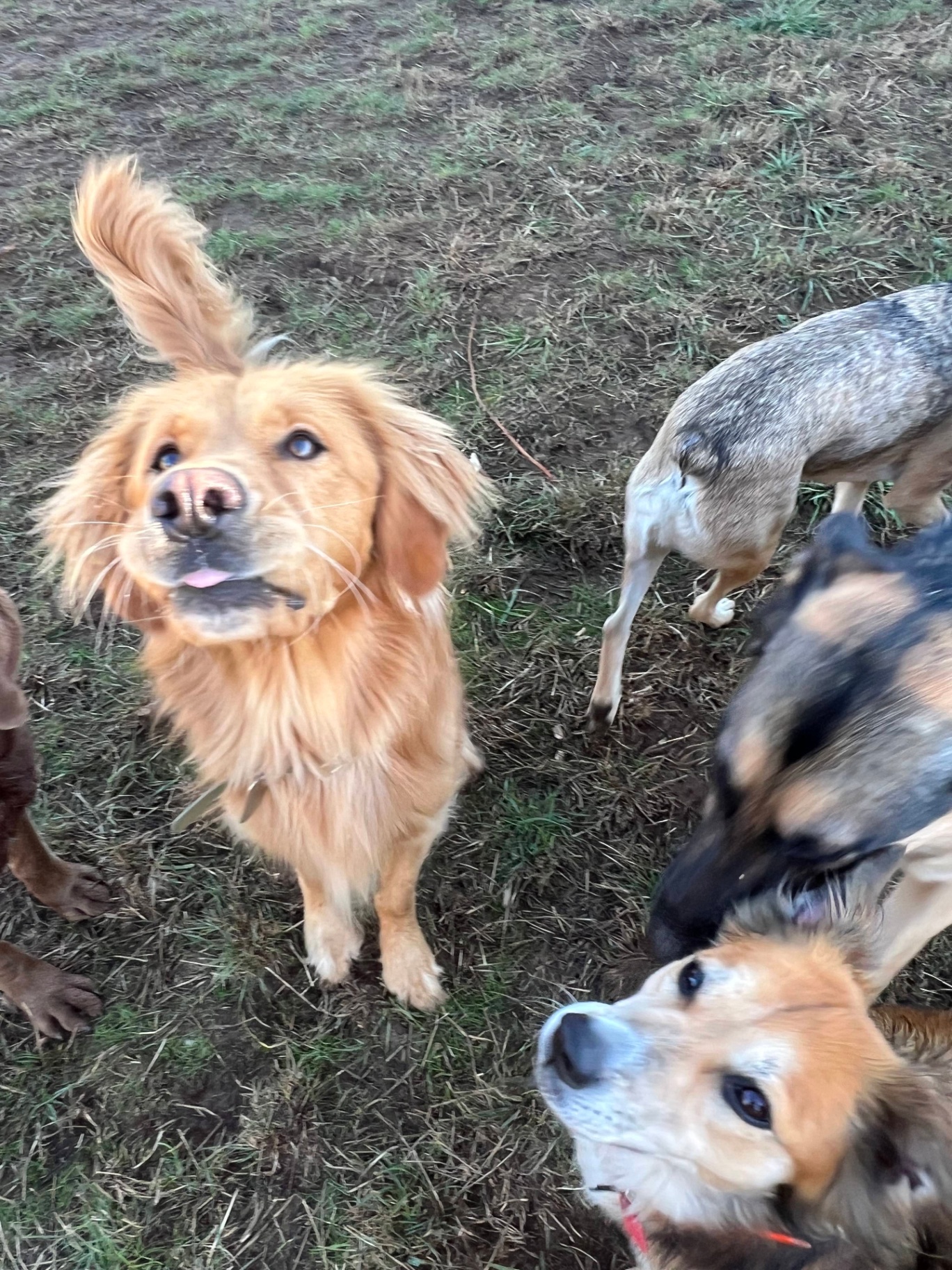
There is a big difference between a room full of barking dogs and an interactive daycare. True interaction involves mental stimulation.
The Science: Dogs are "neophilic," meaning they have a biological preference for new sights, smells, and challenges. Studies show that cognitive enrichment: like navigating obstacles or social problem-solving: reduces destructive behaviors at home by satisfying the dog's instinctual needs.
What to Ask:"Is there a structured schedule for enrichment, or do the dogs just play freely all day?"
4. The Importance of Surface Safety
Whether it’s the gravel in our secondary yards or the lush grass in our main play areas, the ground your dog runs on matters for their long-term health.
The Science: Consistent play on high-impact surfaces like concrete can exacerbate joint issues, especially in larger breeds prone to hip dysplasia. Natural grass or specialized artificial turf provides the necessary "give" to protect canine cruciate ligaments during those high-speed games of tag.
What to Ask:"What kind of surfaces will my dog be playing on, and how do you manage them during our rainy Oregon winters?"
5. Staff Training and Supervision Ratios
At Green Acres, we believe in being "hands-on." You’ll often see us right in the middle of the pack, not just watching from the sidelines.
The Science: Canine communication is subtle. A "play bow" is great, but a "stiff tail wag" might mean tension. Staff need to be trained in dog body language to intervene before a correction becomes a conflict. High staff-to-dog ratios (ideally 1:10 or 1:15) ensure that every dog is being watched by a human who knows their "normal."
What to Ask:"Are your staff members certified in Pet First Aid? How do they handle a dog that is being a 'bully' in the yard?"
6. The Necessity of Rest
It might sound counterintuitive: you’re paying for them to play, right?: but constant stimulation is actually unhealthy.
The Science: Just like human toddlers, dogs can become "overtired" and cranky. Scientific studies on canine sleep cycles suggest that dogs need periods of deep rest to process the day's learning and to keep their immune systems strong. A daycare that doesn't enforce "nap time" is likely running a high-stress environment.
What to Ask:"Do the dogs have a dedicated quiet time or individual space to rest during the day?"
7. Size and Temperament Segregation
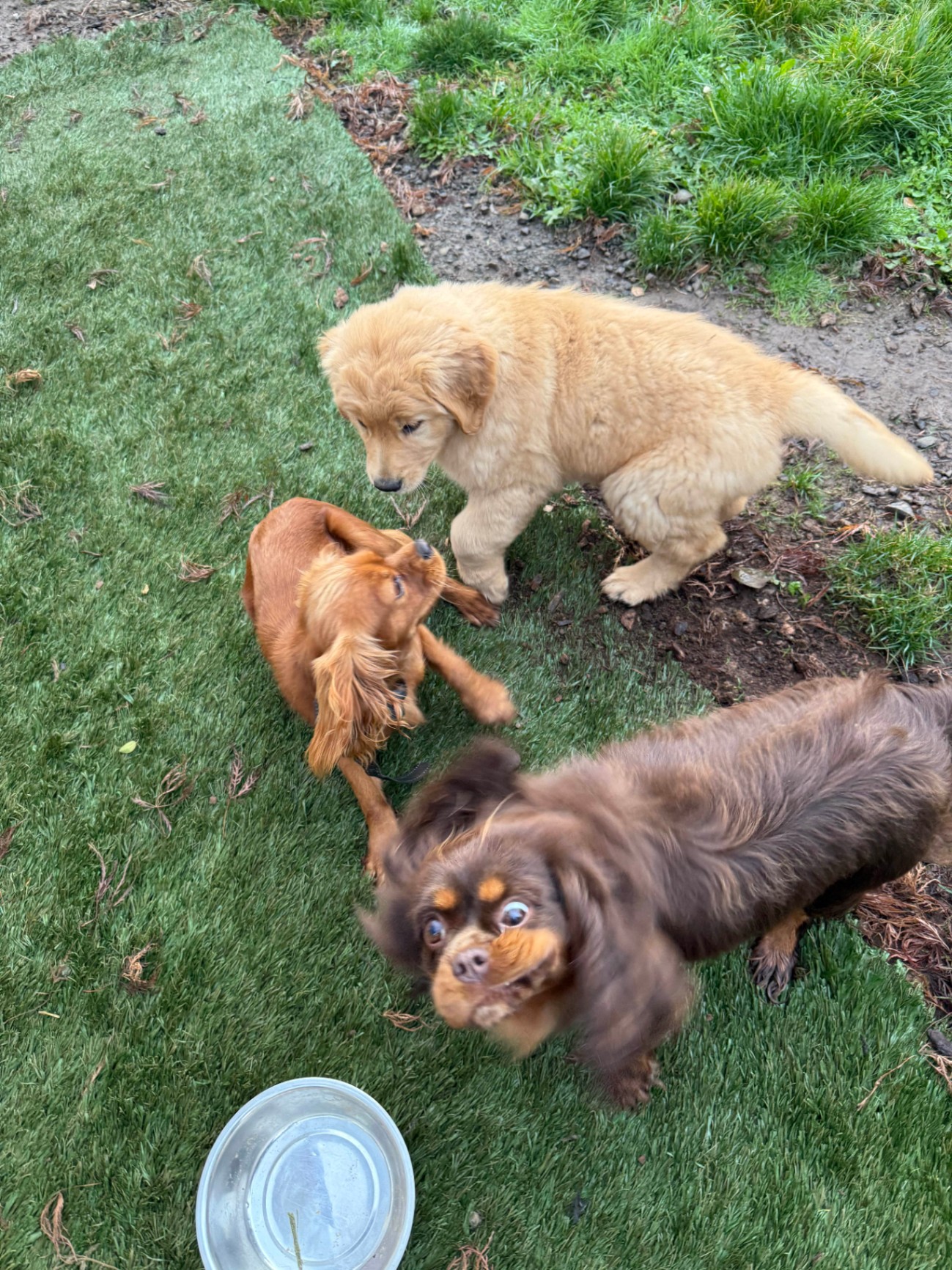
A 5-pound Chihuahua and a 90-pound Great Dane have very different play styles.
The Science: "Predatory drift" is a documented phenomenon where a large dog’s hunting instinct is accidentally triggered by the high-pitched sounds or fast movements of a much smaller dog. Safe daycare requires separating dogs by size, age, and energy level.
What to Ask:"How do you group the dogs? Do puppies and seniors have their own zones?"
8. Consistency and Social Stability
Dogs are pack-oriented creatures that thrive on routine and familiar faces.
The Science: Constant "new" additions to a group can keep the "social hierarchy" in a state of flux, which raises stress levels. Facilities that require regular attendance (like once a week or a certain number of times a month) help create a stable social environment where the dogs actually know their "friends."
What to Ask:"Do most of your clients come regularly? How do you introduce a brand-new dog to an established group?"
9. Transparency and Communication
We know how it feels to leave your "baby" with someone else. I think about my own dogs at home whenever I'm checking in a client's pet. We want you to know exactly how their day went.
What to Ask:"Will I get a report on who my dog played with or if there were any issues with their behavior or appetite?"
10. The "Sniff Test" (The Environment)
Trust your nose and your eyes. While a daycare with 40 dogs will never smell like a rose garden, it shouldn't smell like an ammonia tank either.
The Science: High levels of ammonia from urine can irritate a dog's sensitive respiratory system. At Green Acres, we take pride in the "unglamorous" work: scrubbing, rinsing, and ensuring the air and ground are fresh for every pup.
What to Ask:"Can I see where the dogs play and sleep? What is your daily cleaning protocol?"
Home Integration Tip: The "Cool Down" Protocol
When you pick your dog up from a day of interactive play at Green Acres, they’re going to be tired: but they might also be "wired" from the excitement. To help them integrate back into the calm of your Boring, Oregon home, try a 10-minute sniff walk.
Instead of going straight inside to dinner and chaos, let them lead you on a slow walk around your yard or neighborhood on a long leash. Let them sniff as much as they want. Scientifically, sniffing lowers a dog's heart rate and helps them transition from the high-arousal environment of daycare back to the "rest and digest" state needed for a peaceful evening with the family.
Why We Do What We Do
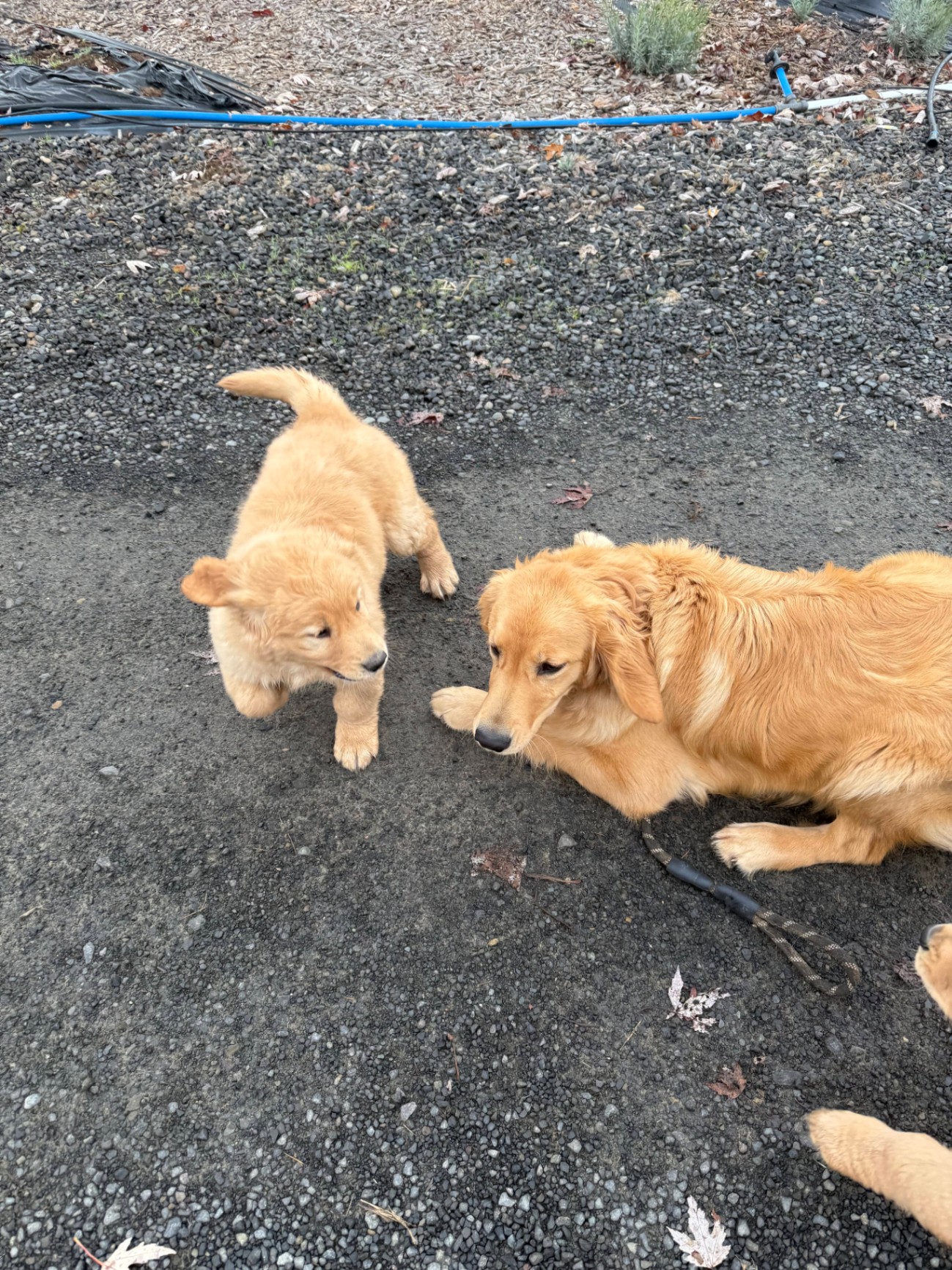
We believe that every dog deserves a life full of adventure and safety. Whether we're out there in the rain making sure the fences are secure or sitting on the grass giving belly rubs to a Golden Retriever puppy, we strive to be the highlight of your dog's week. We understand the unique needs of our Gresham and Boring community because we live here, too. We're not just a resort; we're your partners in pet care.
If you have questions or want to see our "interactive" approach in action, give us a shout or visit us at http://greenacresk9resort.com. We’d love to welcome you and your K-9 pet to the family!
Bibliography & Peer-Reviewed Sources
American Veterinary Society of Animal Behavior (AVSAB). "Position Statement on Puppy Socialization." AVSAB Online.
Overall, K. L. (2013). Manual of Clinical Behavioral Medicine for Dogs and Cats. Elsevier Health Sciences. (Focus on social stress and trigger stacking).
Schalamon, J., et al. (2006). "Analysis of Dog Bites in Children Who Are Younger Than 17 Years." Pediatrics. (Insight into predatory drift and social triggers).
Journal of Veterinary Diagnostic Investigation. "Detection and molecular characterization of Giardia duodenalis in dog daycare facilities."
Applied Animal Behaviour Science. "The effect of environmental enrichment on the behaviour of kenneled dogs."
Walker, J. K., et al. (2014). "The assessment of emotional resilience in shelter dogs." Physiology & Behavior.
Comments