
Pet Sitting Portland: Understanding the Science of Canine Stress and Comfort
- Green Acres K-9 Resort
- Feb 2
- 6 min read

When you pack your suitcase and grab your keys, your dog knows something's up. Maybe they start following you from room to room, or they sit by the door with those worried eyes. We've all seen it, and it tugs at the heartstrings every single time.
But here's what most pet parents don't realize: what happens after you leave matters just as much, if not more, than those goodbye moments. The science of canine stress tells us that the quality of care your dog receives while you're away has measurable, physiological impacts on their wellbeing. We're not just talking about keeping them fed and safe. We're talking about their actual stress hormones, their recovery time, and their long-term behavioral health.
What Really Happens in Your Dog's Body When You Leave
Let's get into the science for a minute. When dogs experience separation from their primary caregivers, their bodies respond with a stress reaction, it's completely normal and natural. The hypothalamic-pituitary-adrenal (HPA) axis kicks into gear, triggering the release of cortisol, the primary stress hormone.
In moderate amounts and for short periods, cortisol isn't necessarily harmful. It's part of your dog's natural coping mechanism. But here's where it gets interesting: research published in Applied Animal Behaviour Science shows that prolonged elevation of cortisol levels can lead to suppressed immune function, digestive issues, and behavioral problems like excessive barking, destructive chewing, or even aggression.
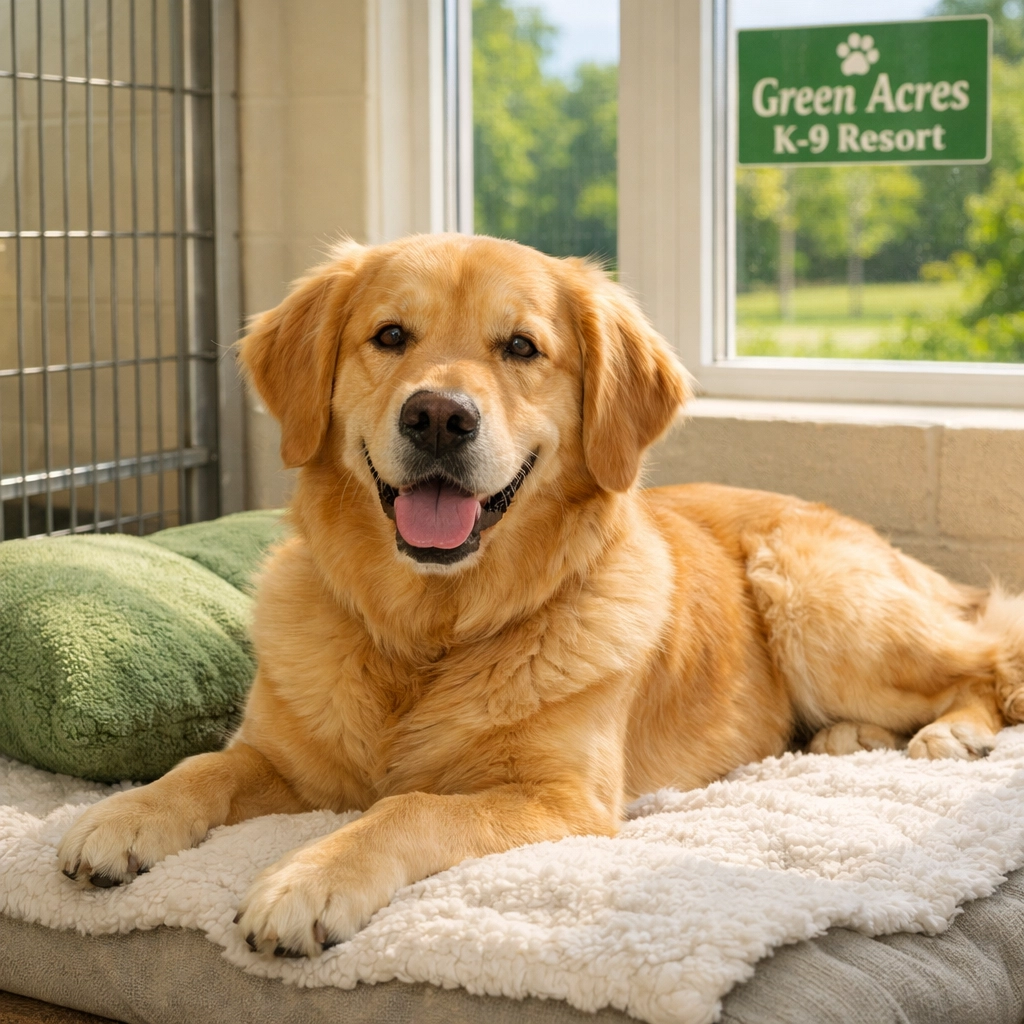
The real question isn't whether your dog will experience some stress when you're away, most dogs do. The question is: how quickly can they recover, and what environment helps them maintain the lowest baseline stress levels?
The Professional Care Difference: It's Not Just About Having Someone Around
We hear from families all the time: "My neighbor can just check in on Bella" or "My friend will swing by twice a day." And look, we totally get it. You trust these people, and having familiar faces around seems comforting.
But peer-reviewed research tells a different story about what dogs actually need for stress reduction. A study in the Journal of Veterinary Behavior examined cortisol levels in dogs across different care scenarios, home alone with periodic check-ins, casual pet sitting, and structured professional care environments. The results were pretty eye-opening.
Dogs in structured professional care settings showed significantly faster cortisol recovery times and lower overall stress markers compared to dogs receiving sporadic visits. Why? It comes down to three critical factors that casual pet sitting often can't provide: consistency, social support, and structured routine.
Consistency: Your Dog's Brain Craves Predictability
Think about how you feel when your schedule gets thrown off, flights delayed, plans canceled, nothing going according to plan. Stressful, right? Dogs experience something similar, but they can't rationalize it the way we can.
Research on canine cognition shows that dogs are incredibly routine-oriented animals. Their brains literally release feel-good neurochemicals when they can predict what's coming next. Feed time at 7am? Check. Walk at 10am? Check. Play session at 2pm? Check. This predictability creates a sense of safety and control.
When someone swings by "whenever they can" between their errands, or forgets to follow the usual routine, your dog's stress response stays activated. They're essentially in a constant state of "when is something happening?" uncertainty.
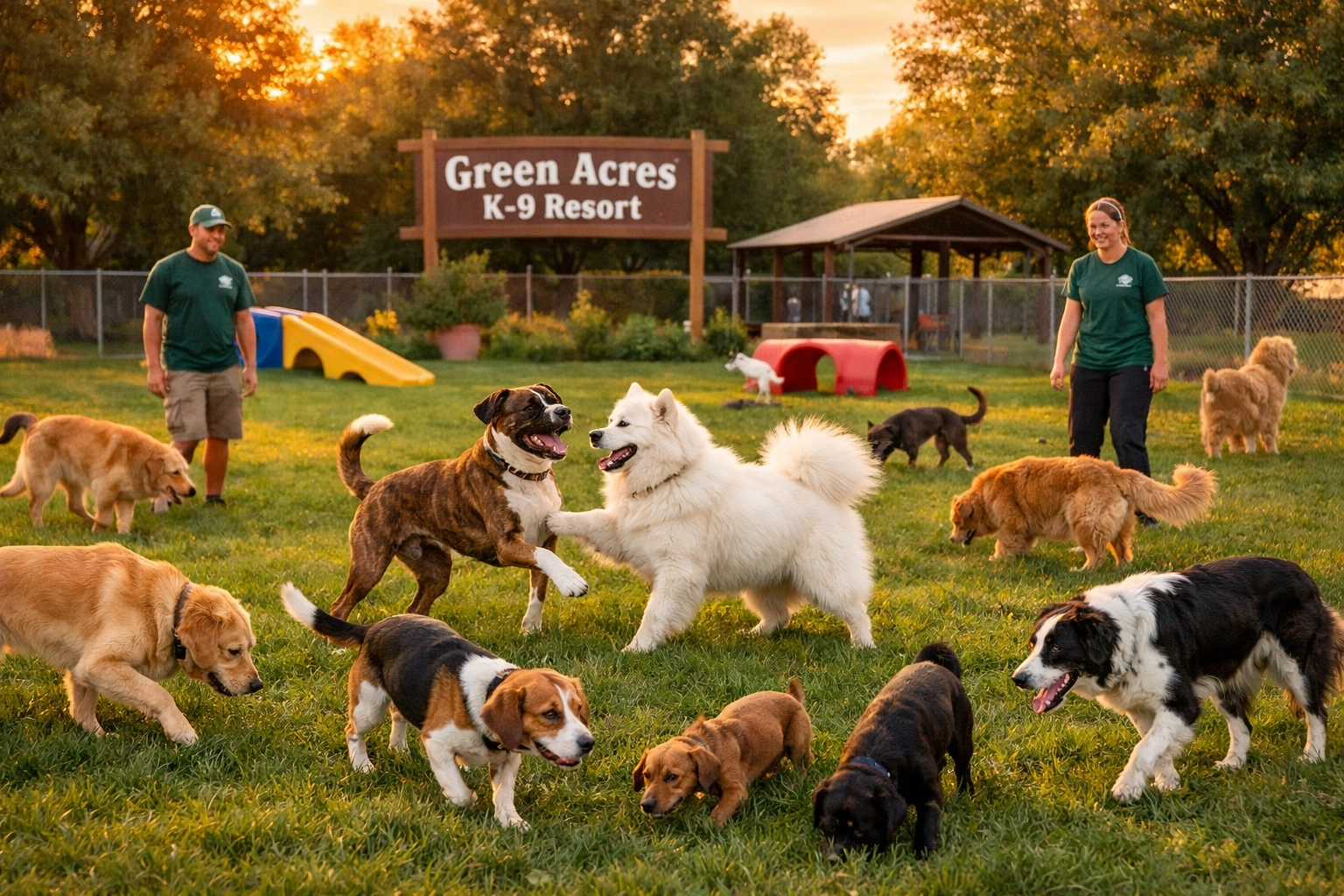
At our facility, we maintain strict routines because we understand this neurobiological reality. Every dog knows when meals happen, when outdoor time happens, when play happens. We're not being rigid for the sake of it, we're leveraging what science tells us reduces canine cortisol levels.
Social Support: Dogs Are Pack Animals (And That's Not Just a Cliché)
Here's something fascinating from the research: dogs have evolved alongside humans for thousands of years, and their brains have literally changed to seek out social connection, not just with us, but with other dogs too.
Studies in Physiology & Behavior demonstrate that dogs in social environments (with appropriate supervision and temperament matching) show lower stress markers than isolated dogs. The presence of other dogs activates their natural social behaviors, provides mental stimulation, and offers something we call "social buffering", basically, having buddies around makes stressful situations feel less stressful.
Now, we're not saying every dog needs to be in a massive playgroup all day. Some dogs are more introverted, and that's totally fine. But appropriate social interaction, whether that's parallel play with another calm dog or supervised group play for the social butterflies, reduces separation anxiety significantly better than isolation.
Why We Do What We Do
At Green Acres K-9 Resort, we built our entire approach around this research. When your dog stays with us, we're not just "pet sitting", we're providing evidence-based care that targets stress reduction at the physiological level.
Every dog gets a consistent daily schedule tailored to their needs. Meals at the same times. Outdoor activities when their body expects them. Rest periods in comfortable, quiet spaces. We watch for stress signals constantly, excessive panting, pacing, loss of appetite, changes in body language. And when we see them, we adjust.
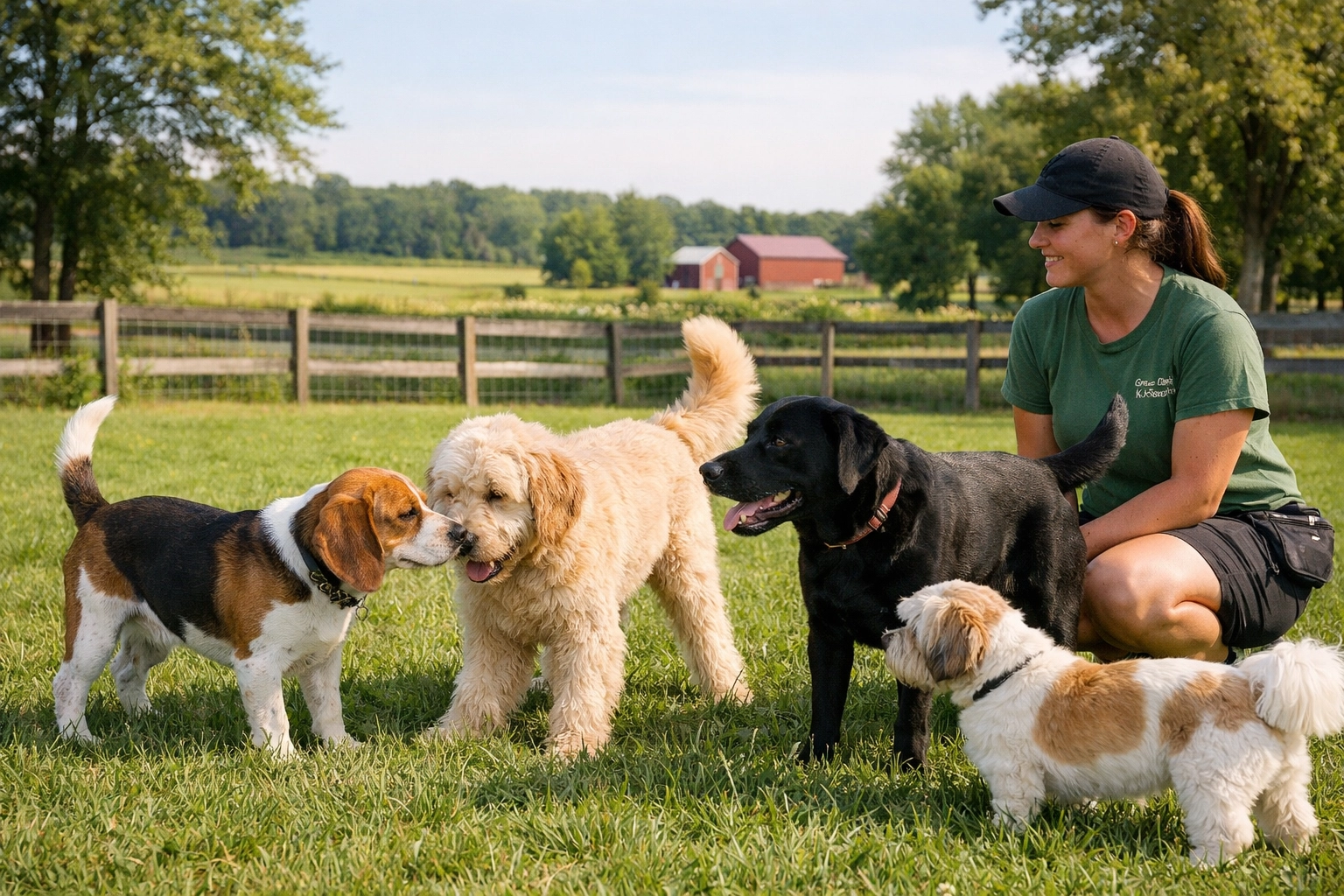
Our team is trained in canine body language and stress recognition because we believe professional care means actually understanding what your dog is communicating. That slightly tucked tail? The whale eye? The yawn that's not about being tired? We notice, and we respond.
We also provide social opportunities based on each dog's temperament and preferences. Some of our guests love romping with their friends in supervised playgroups. Others prefer quiet companionship, hanging out near another calm dog without direct interaction. And some prefer one-on-one human time, which they absolutely get.
The Long-Term Impact: It's About More Than Just This Trip
Here's something that really drives home why this matters: research shows that repeated exposure to poorly managed stress during separations can actually change your dog's baseline anxiety levels. Dogs who consistently experience high stress when their owners are away can develop generalized anxiety, making future separations even harder.
On the flip side, dogs who experience well-managed care during separations learn that being away from their primary person isn't catastrophic. They build confidence and resilience. Their brains literally learn: "Oh, this is okay. I'm safe. People take care of me. Mom/Dad always comes back."
We see this transformation all the time. Dogs who arrive nervous on their first visit gradually become more confident with each stay. They start walking in with their tails up, ready to start their routine. That's not just us being good with dogs (though we like to think we are): that's neurobiology working in their favor.
What to Look for in Professional Care
If you're searching for pet sitting in Portland, here's what the science says you should prioritize:
Consistent routines - Ask how they structure the day. Do dogs get fed at the same times? Is there a predictable schedule?
Qualified supervision - Are staff trained in canine behavior and stress recognition? Can they read body language?
Appropriate social opportunities - How do they assess which dogs can interact? What's their approach to socialization?
Environment quality - Is the space calm, clean, and designed for canine comfort? Are there quiet rest areas?
Communication - Will you get updates? Can they reach you if concerns arise?
The Bottom Line
When you leave your dog with us at Green Acres K-9 Resort, you're not just getting someone to watch them. You're getting a science-based approach to stress reduction that considers their physiological needs, their social nature, and their individual temperament.
We've spent years studying this stuff: reading the journals, attending the conferences, consulting with veterinary behaviorists: because we believe your dog deserves care that's grounded in real evidence, not just tradition or convenience.
Your dog can't tell you how they're feeling in words, but their cortisol levels, their behavior, and their long-term wellbeing tell the story. And that story should be one of comfort, consistency, and genuine care while you're away.
Bibliography
Cobb, M., Branson, N., McGreevy, P., Lill, A., & Bennett, P. (2015). The advent of canine performance science: Offering a sustainable future for working dogs. Behavioural Processes, 110, 96-104.
Hiby, E. F., Rooney, N. J., & Bradshaw, J. W. (2004). Dog training methods: their use, effectiveness and interaction with behaviour and welfare. Animal Welfare, 13(1), 63-69.
Kuhne, F., Hößler, J. C., & Struwe, R. (2014). Behavioral and cardiac responses by dogs to physical human-dog contact. Journal of Veterinary Behavior, 9(3), 93-97.
Palestrini, C., Previde, E. P., Spiezio, C., & Verga, M. (2005). Heart rate and behavioural responses of dogs in the Ainsworth's Strange Situation: A pilot study. Applied Animal Behaviour Science, 94(1-2), 75-88.
Rooney, N. J., Gaines, S. A., & Bradshaw, J. W. (2007). Behavioural and glucocorticoid responses of dogs (Canis familiaris) to kennelling: Investigating mitigation of stress by prior habituation. Physiology & Behavior, 92(5), 847-854.
Tuber, D. S., Miller, D. D., Caris, K. A., Halter, R., Linden, F., & Hennessy, M. B. (1999). Dogs in animal shelters: problems, suggestions, and needed expertise. Psychological Science, 10(5), 379-386.
Comments