
Puppy Socialization 101: A Beginner’s Guide to Mastering Early Exposure and Grooming
- Green Acres K-9 Resort
- Apr 12
- 6 min read

If you’ve recently brought a new puppy home to our beautiful corner of Boring, Oregon, congratulations! There is nothing quite like the smell of puppy breath and the chaotic joy of tiny paws pitter-pattering across the floor. Here at Green Acres K-9 Resort, we see dozens of puppies every month, and we know that while they are undeniably cute, they are also little "sponges" soaking up every single experience they have.
Raising a confident, happy dog isn't just about teaching them to "sit" or "stay." It’s about building a neurological foundation that helps them navigate the world without fear. This process is called socialization. Many people think socialization just means "playing with other dogs," but it is actually much more complex. It involves exposure to different sounds, textures, people, and, crucially, grooming and handling.
In this guide, we’re going to dive into the science of puppy development and show you how to set your pup up for a lifetime of success, whether they are visiting us for daycare or just hanging out in your backyard.
The Science of the "Golden Window"
In the world of canine behavioral science, there is a concept known as the "sensitive period for socialization." Peer-reviewed research, including studies by the American Veterinary Society of Animal Behavior (AVSAB), indicates that for most dogs, this window opens at 3 weeks and begins to close around 12 to 16 weeks of age.
During this time, a puppy’s brain is uniquely plastic. They are biologically programmed to accept new experiences as "normal." Once this window closes, anything the puppy hasn't encountered may be viewed with suspicion or fear. This is an evolutionary survival mechanism, in the wild, if you haven’t met it by 16 weeks, it might be a predator!
Because we care so deeply about the long-term health of your pets, we always emphasize that these first few months are the most important for preventing future aggression or anxiety. A well-socialized puppy grows into a dog that can handle a trip to the vet, a loud thunderstorm, or a busy day at boarding with ease.
More Than Just Play: The Socialization Buffet
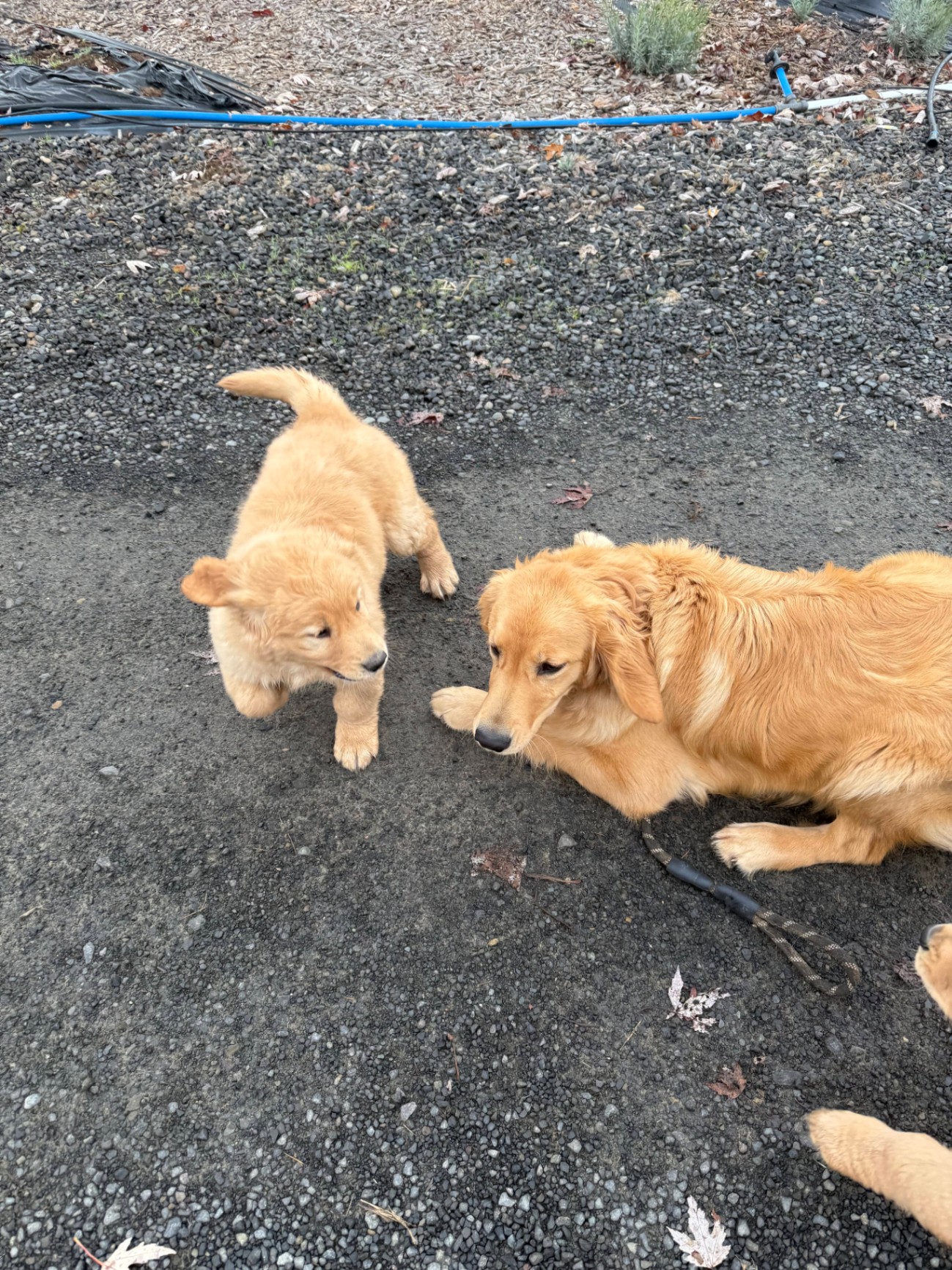
When we talk about socialization at Green Acres, we like to think of it as a "sensory buffet." Your puppy needs to "taste" a little bit of everything. Science shows that varied exposure reduces the likelihood of neophobia (fear of new things) later in life.
1. Different People and Appearances
Puppies don't inherently know that a human in a floppy hat is the same species as a human in a high-visibility vest. Try to introduce your pup to people of all ages, sizes, and ethnicities. If you live in a quiet part of Boring, take your pup (safely in your arms if they aren't fully vaccinated) to a spot where they can see people using umbrellas, walkers, or bicycles.
2. Surfaces and Textures
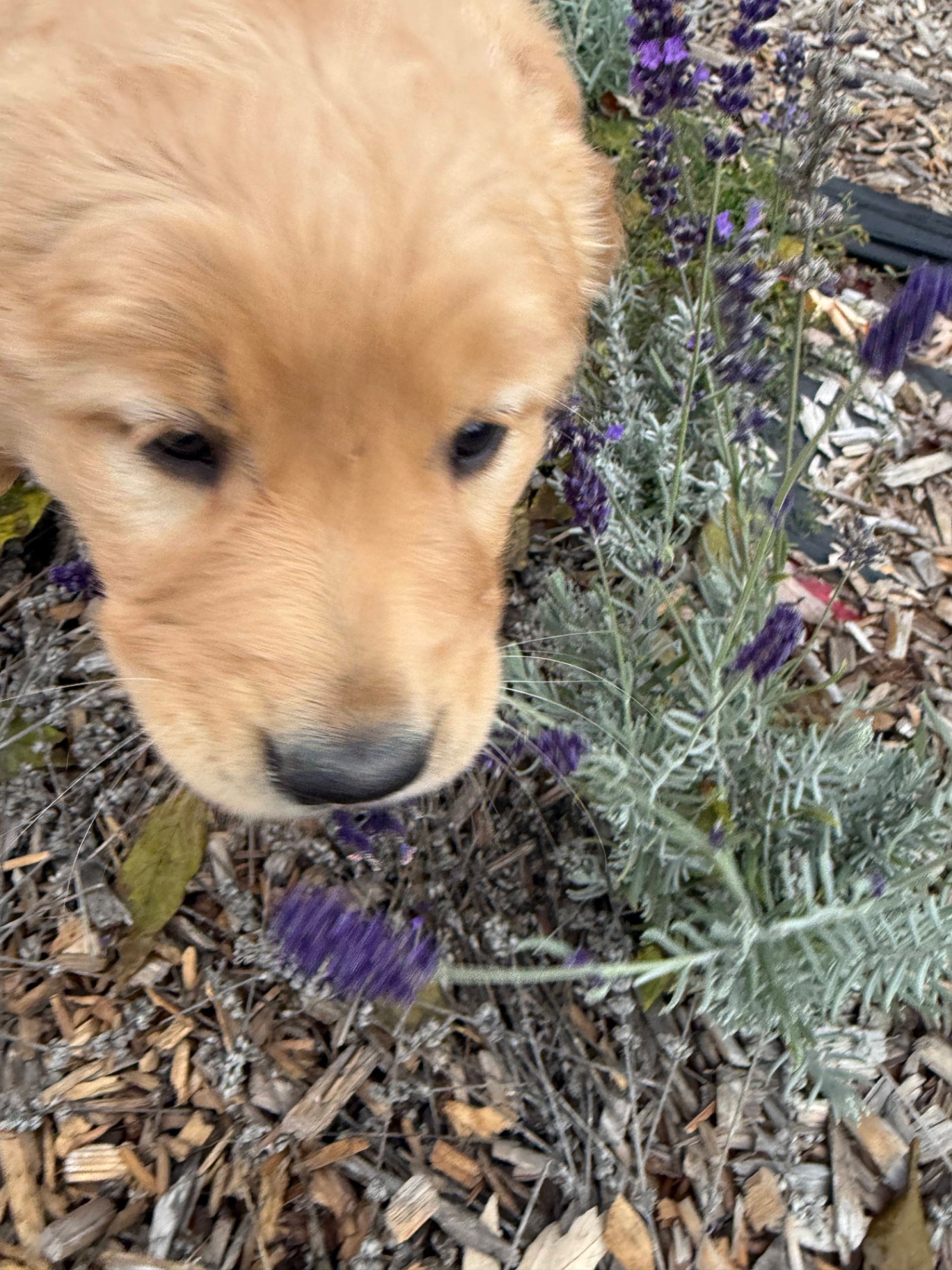
Have you ever seen a dog freeze when they hit a tile floor? That’s often because they weren't exposed to different textures as a puppy. Let your pup walk on grass, gravel, sand, wood, and even crinkly plastic. We utilize our sensory gardens here at the resort specifically for this purpose.
3. Sounds of the World
The sound of a vacuum cleaner or a local Boring, Oregon thunderstorm can be terrifying for an adult dog who hasn't heard it before. You can find "puppy socialization" playlists online that feature sirens, fireworks, and crying babies. Play these at a very low volume while giving your puppy high-value treats to create a positive association.
Mastering Early Grooming and Handling
One of the most overlooked parts of socialization is grooming. As professional pet providers, we’ve seen how much stress an adult dog feels when they aren't used to being touched. Whether your dog is a high-maintenance poodle mix or a short-haired lab, they will need to be handled by vets and groomers.
Science-based training focuses on "low-stress handling." This means teaching the puppy that being touched is a rewarding experience.
The Paw Check
Start by gently touching your puppy’s paws while they are relaxed. Don't grab, just a light stroke. If they stay calm, give them a treat. Gradually work up to pressing on their paw pads and looking between their toes. This makes future nail trims at our grooming salon a breeze rather than a battle.
Brushing and Tools
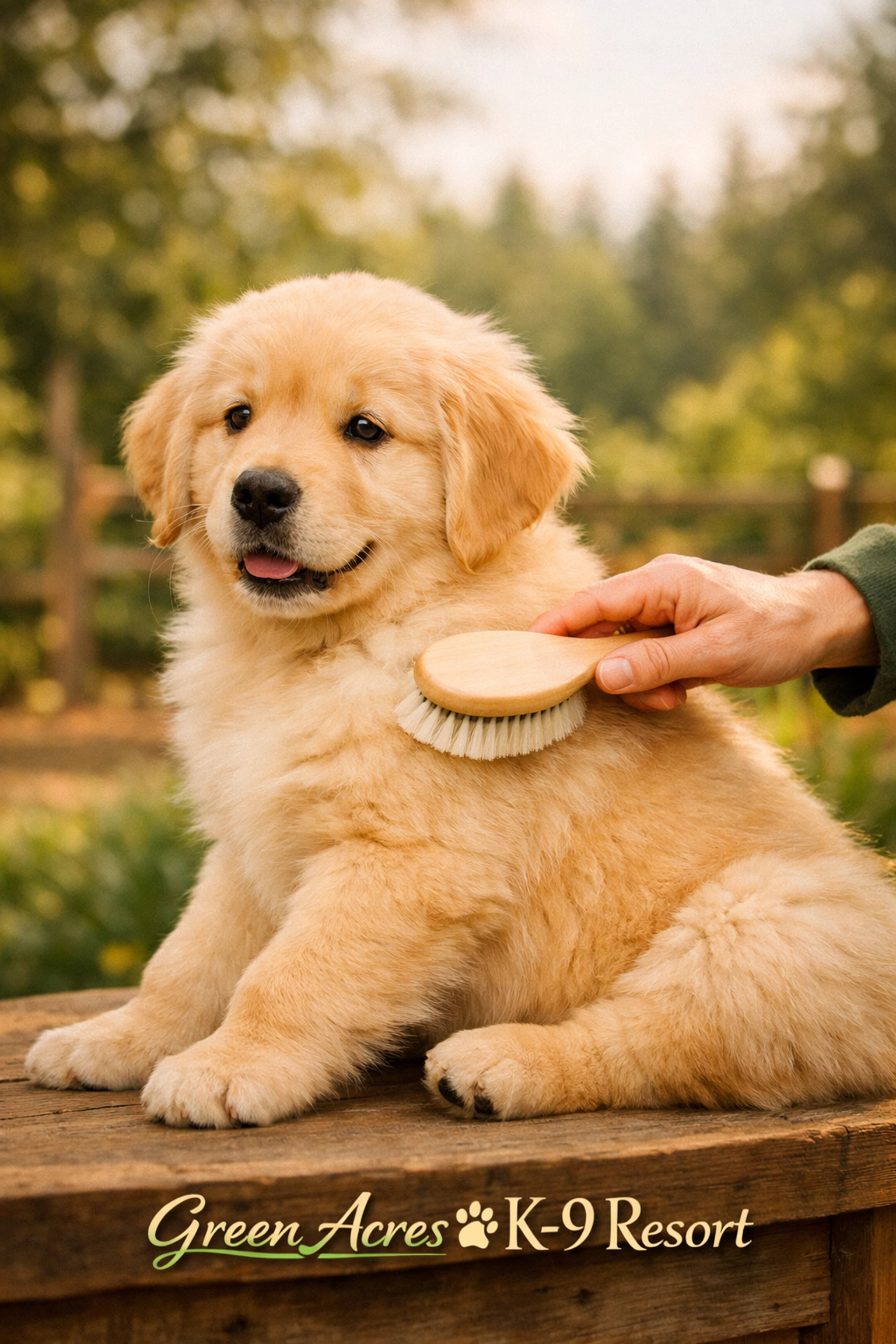
Introduce the brush as a "friend." Let them sniff the brush first, then do one gentle stroke and follow with a treat. You want your puppy to think, "Oh, the brush is out? That means the good snacks are coming!" We believe that grooming should be a bonding experience, not a chore.
Safety First: Socialization vs. Vaccination
A common concern for many owners in the Gresham and Boring area is the risk of diseases like Parvovirus before the full vaccine series is complete (usually around 16 weeks). For a long time, the advice was to keep puppies inside until they were fully vaccinated.
However, the AVSAB recently updated its position. They state that the risk of behavioral issues: which is the number one cause of death for dogs under three years old due to surrender or euthanasia: outweighs the risk of disease, provided socialization is done safely.
How to socialize safely:
Avoid high-traffic public areas: Don't go to public dog parks where you don't know the vaccination status of other dogs.
Choose controlled environments: Our daycare and puppy programs require proof of age-appropriate vaccinations, creating a "bubble" of safety for your little one.
Carry your pup: If you’re at a hardware store or a park, keep them in a sling or a cart so their paws don't touch the ground.
The Green Acres Approach to Puppy Development
At Green Acres K-9 Resort, we don’t just "watch" the dogs; we engage with them. We believe that every interaction is a teaching moment. When we have puppies in our care, we make sure they are getting the right balance of play and rest. Over-stimulation can lead to a cranky puppy who learns to react poorly, so we emphasize the "science of rest."
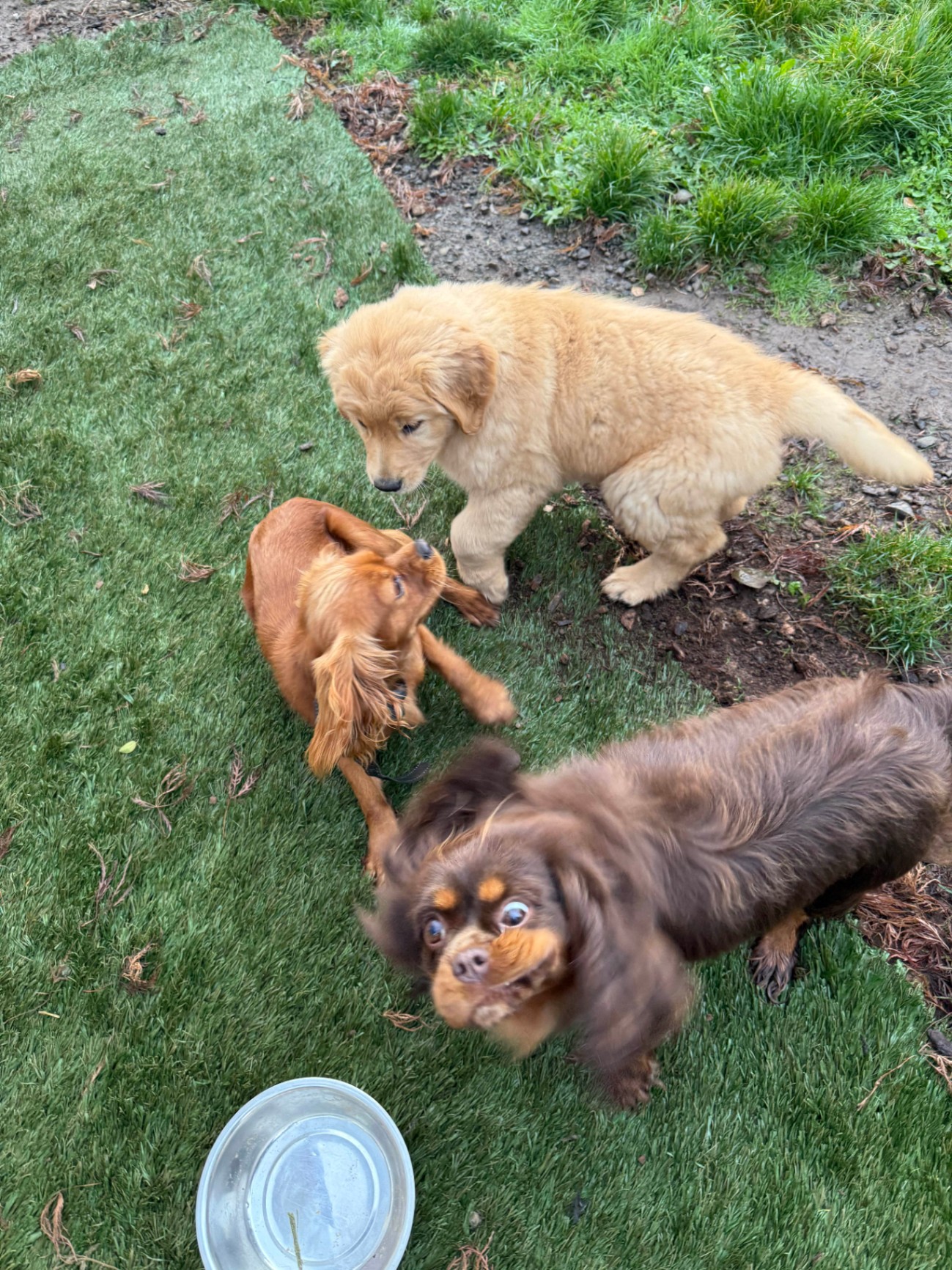
We often use our small-dog play areas to ensure puppies aren't overwhelmed by larger, more energetic adults. Watching two puppies learn to communicate through "play bows" and "soft mouths" is one of the best parts of our jobs.
Home Integration Tip: The "Rule of Threes"
To help your puppy settle into your family life in Boring, we recommend the Rule of Threes for socialization:
Every day, try to let your puppy see or experience 3 NEW things. It doesn't have to be big!
Let them see you open an umbrella.
Walk them over a cookie sheet on the floor (noise + texture).
Have a neighbor wear a hat and sunglasses while offering a treat.
Keep these sessions short: no more than 5 to 10 minutes. By making this a daily habit, you are literally wiring your dog’s brain for confidence.
Final Thoughts
We know that being a puppy parent is exhausting. There are accidents on the rug and chewed-up shoes, but the work you put in now pays off for the next 15 years. We are here to be your partners in this journey. If you ever feel overwhelmed or just need a day of supervised socialization for your pup, don't hesitate to contact us.
We’re more than a business; we’re a family of dog lovers dedicated to the dogs of Boring and the surrounding Portland area. For more tips on holistic pet care, check out our blog where we dive deeper into topics like the science of play.
Bibliography & Peer-Reviewed Sources
American Veterinary Society of Animal Behavior (AVSAB). (2008). Position Statement on Puppy Socialization.
Dietz, L., Arnold, A. K., & Vinke, C. M. (2018). "The importance of early life experiences on the development of behavior in dogs." Journal of Veterinary Behavior.
Serpell, J. A., & Jagoe, D. A. (1995). "Early experience and the development of behaviour." The Domestic Dog: Its Evolution, Behaviour and Interactions with People. Cambridge University Press.
Howell, T. J., King, T., & Bennett, P. C. (2015). "Puppy parties and beyond: the role of early age socialization and training in the prevention of negative behavioral outcomes." Veterinary Medicine: Research and Reports.
Morrow, M., & Ottobre, J. (2015). "The impact of early social environment on dog behavior." Applied Animal Behaviour Science.
Comments