
The Ultimate Guide to Holistic Dog Boarding and Daycare: Everything You Need for Your Boring, Oregon Dog to Succeed
- Green Acres K-9 Resort
- Mar 11
- 6 min read

Hey there, Boring neighbors! It’s Mark Griffin here. If you’ve spent any time around our neck of the woods, you know that being a dog owner in Boring, Oregon, is a bit of a unique experience. We’ve got the beautiful views of Mt. Hood, plenty of mud in the winter, and a community that truly treats their four-legged friends like family.
At Green Acres K-9 Resort, we don’t just see ourselves as a business; we’re part of that family. When you drop your pup off with us, whether it's for a busy workday or a long-awaited vacation, we take that responsibility to heart. We’ve spent a lot of time thinking about what it means to provide "holistic" care. To us, holistic isn’t just a fancy buzzword we use to sound trendy. It’s a science-backed commitment to looking at your dog as a whole being: their mind, their body, and their sweet, wagging soul.
In this guide, we’re going to dive into the science behind why holistic boarding and daycare make such a difference and how you can ensure your dog succeeds when they're away from home.
What Does "Holistic" Really Mean for a Dog?
When we talk about holistic care, we’re looking at the big picture. Traditional boarding often focuses on the basics: Is the dog fed? Is the kennel clean? Are they safe? While those are vital, they are only the tip of the iceberg.
A holistic approach, like the one we practice here at Green Acres, asks deeper questions:
How is this dog’s nervous system reacting to the environment?
Are they getting enough species-appropriate social interaction?
Is their environment providing sensory enrichment or just noise?
Are we balancing high-energy play with the critical rest their brains need to process information?
Science tells us that dogs are incredibly sensitive to their surroundings. A study published in Applied Animal Behaviour Science highlights that environmental enrichment: including social contact and sensory stimulation: significantly reduces stress behaviors in kenneled dogs (Wells, 2004). By creating a resort environment that mimics a natural home and pack setting, we help keep those cortisol (stress hormone) levels low.
The Science of Socialization: More Than Just Play
We all love watching a group of dogs romp around the yard, but there’s a lot of "brain work" happening during those interactions. Socialization is perhaps the most misunderstood part of dog care. It’s not just about "tiring them out." In fact, over-tiring a dog can actually lead to increased irritability and reactivity.
True socialization is about learning social cues and maintaining a balanced emotional state. According to research on canine play behavior, healthy play should be reciprocal. You’ll see dogs "role-reversing": one dog is the chaser, then they swap, and the other becomes the chaser. This is a sign of a high-functioning social brain.
At Green Acres, we supervise these interactions closely. We look for "play bows" and "self-handicapping" (where a larger dog plays more gently with a smaller or younger pup). If we see a dog getting too revved up, we step in for a "calm down" break. This prevents the brain from entering a state of hyper-arousal, which can lead to stress. If you want to dive deeper into how we manage this, check out our post on 7 mistakes you’re making with dog socialization.
Sensory Enrichment: Why Our Gardens Matter
Have you ever noticed your dog stopping to sniff a specific patch of grass for what feels like an hour? That’s because a dog’s sense of smell is their primary way of "seeing" the world. Their olfactory bulb is about 40 times larger than ours, relative to total brain size.
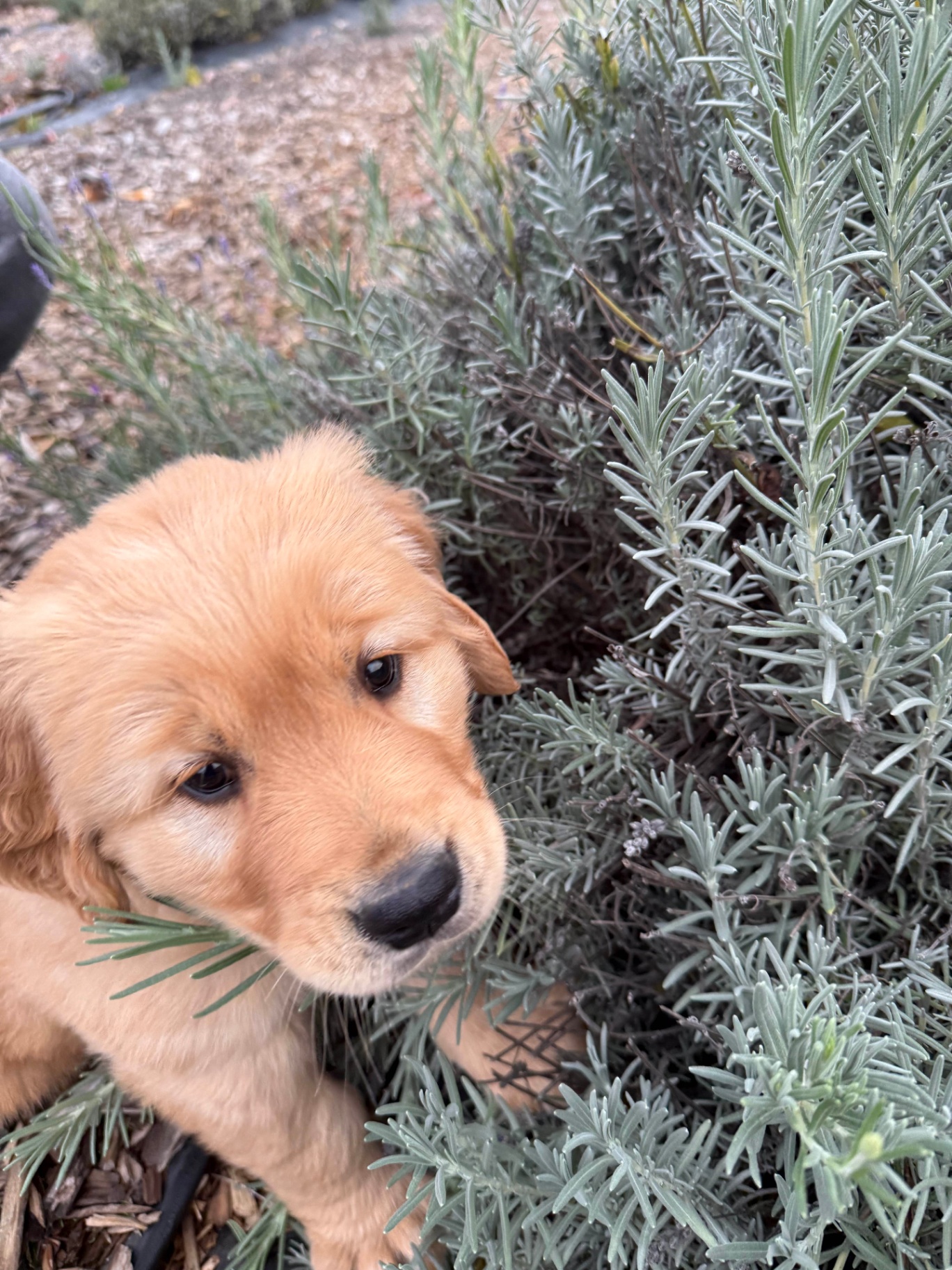
This is why we focus so much on our outdoor spaces. We believe dogs should have access to natural textures: grass, mulch, gravel: and safe, aromatic plants. When a dog sniffs lavender or mint in our garden, they aren't just smelling; they are engaging in a biological process that releases endorphins and calms the heart rate.

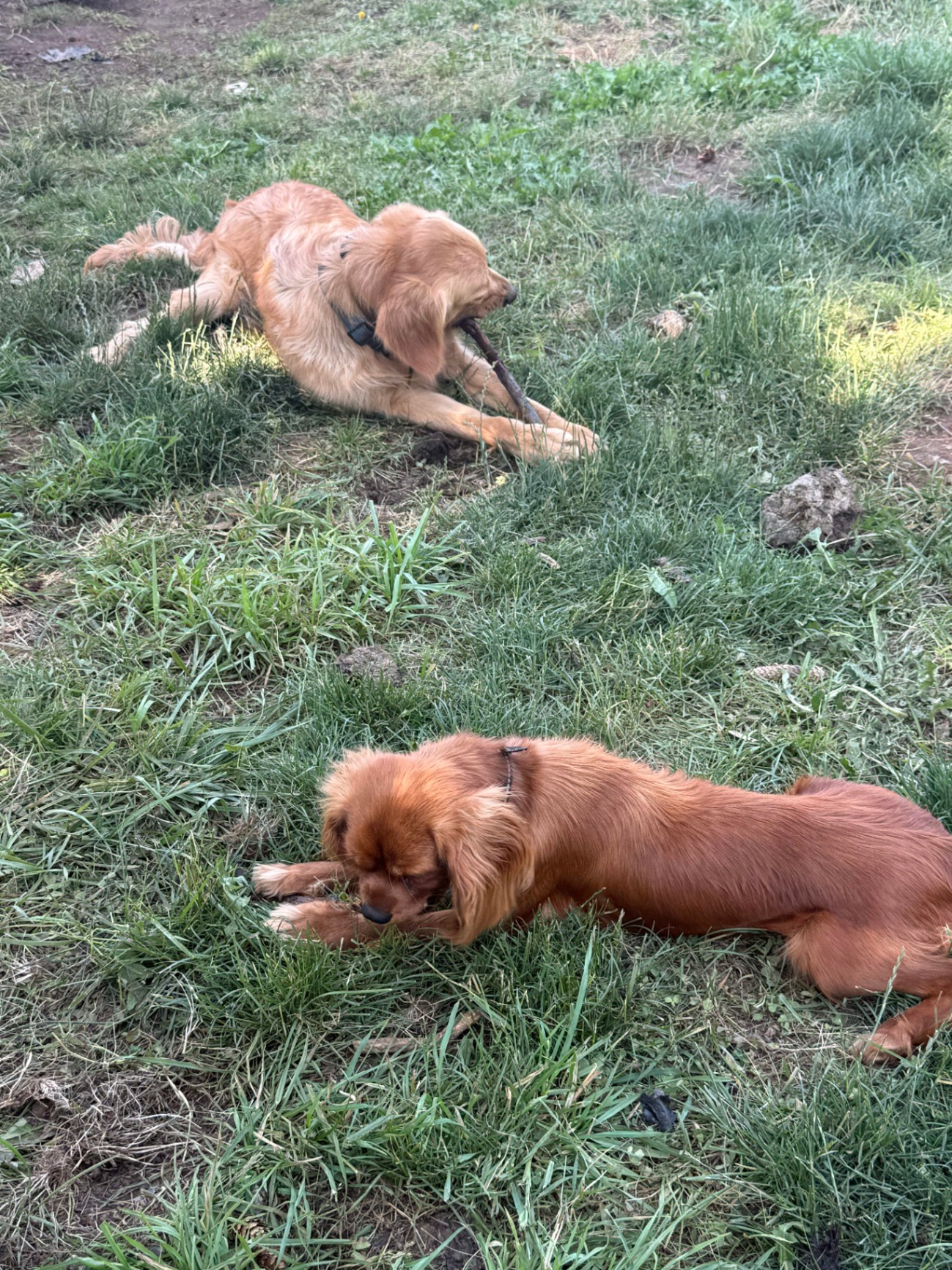
Using our outdoor sensory gardens allows dogs to express "foraging" behaviors. A study in the Journal of Veterinary Behavior suggests that sniffing-based activities significantly lower a dog's pulse rate and increase their overall sense of well-being (Duranton & Horowitz, 2019). It’s why you’ll often see our guests lounging on the grass, looking completely content. They aren't just "outside"; they are engaged with their environment.
The Importance of the "Off Switch"
One of the biggest mistakes in the pet service industry is the "all-day play" model. While it sounds great on paper, science says otherwise. Domestic dogs need between 12 and 14 hours of sleep per day to maintain a healthy immune system and emotional stability. Puppies and seniors need even more.
When dogs are forced to be social for 8-10 hours straight, they become "over-threshold." This is when you see "grumpy" behavior, nipping, or an inability to settle down when they get home.
In our holistic model, we emphasize rest as much as play. We provide quiet, comfortable spaces where dogs can retreat and recharge. We believe that a happy dog is a rested dog. This balance of activity and recovery is what helps your Boring, Oregon dog thrive both here and at home. We’ve actually written a whole piece on the science of calm if you're interested in the biological specifics.
Hands-On Care from the Heart
As a "Helper" here, I can tell you that the "holistic" label applies to our staff, too. We aren't just watching dogs from behind a fence. We’re in there with them. Whether it's the unglamorous task of picking up after them to keep the environment pristine, or sitting on the grass to give a shy pup some belly rubs, we are hands-on.
We treat every dog like they’re our own kids. We know their names, their favorite spots to be scratched, and which friends they like to nap next to. We strive to create a "home away from home" because we understand how much you miss them when you're away. We’ve seen firsthand how a shy dog can blossom into a confident social butterfly when given the right environment and a little bit of patience.
Home Integration Tip: The 24-Hour Decompression Period
When your dog comes home from a stay at Green Acres (or any daycare/boarding), they might be a little "extra." They might sleep for 24 hours, or they might be a bit more vocal than usual. This is normal! They’ve had a lot of sensory input.
To help them integrate back into your home life smoothly, we recommend a 24-hour decompression period:
Keep it Low-Key: Avoid hosting a big dinner party or going to a loud park the day they get back.
Scent Games: Hide some treats around the living room and let them find them. This uses their nose (which is calming) without requiring high physical energy.
Predictable Routine: Feed them at their normal time and follow your usual evening ritual. Predictability lowers anxiety.
By giving them space to "power down," you’re helping their brain process all the fun they had at the resort.

Why Boring, Oregon?
We love our community. Being located here in Boring allows us to offer the space and fresh air that urban daycares simply can't match. We believe that every dog deserves a bit of the "country life," even if it’s just for a few days a week. We’re proud to be a resource for local families, and we’re always here to chat about your dog’s specific needs.
Whether you're looking for holistic dog care 101 or you just want to see some happy pups on our Facebook page, we’re glad you’re part of the Green Acres family.
Until next time, give your pup an extra treat from us!
: Mark and the Green Acres K-9 Resort Team
Bibliography & Peer-Reviewed Sources
Duranton, C., & Horowitz, A. (2019). "Let me sniff! Nosework induces positive judgment bias in pet dogs." Applied Animal Behaviour Science. This study explores how olfactory engagement (sniffing) improves a dog's emotional state.
Wells, D. L. (2004). "A review of environmental enrichment for kenneled dogs, Canis familiaris." Applied Animal Behaviour Science. This paper discusses the necessity of sensory and social enrichment for reducing stress in boarding environments.
Bekoff, M. (2001). "Social Play Behavior: Cooperation, Fairness, Trust, and the Evolution of Morality." Journal of Consciousness Studies. A foundational look at how play serves as a critical social and cognitive development tool in canines.
Walker, J. K., et al. (2014). "The assessment of emotional expression in dogs using a Quality of Life tool." Animal Welfare. Discusses how physical environment and social opportunities impact the overall well-being of domestic dogs.
Comments