
Why Everyone Is Talking About Rotating Dog Care (And Why Boring Pet Owners Should Too)
- Green Acres K-9 Resort
- Mar 4
- 6 min read

Hey there, neighbors! Mark Griffin here from Green Acres K-9 Resort. If you’ve spent any time around our neck of the woods in Boring, Oregon, you know that we’re a bit obsessed with making sure every pup who walks through our gates feels like part of the family. Whether I’m out there scooping the yards, refreshing the water bowls, or just sitting in the grass for some mid-afternoon ear scratches, I’m always thinking about how we can make life better for these four-legged legends.
Lately, I’ve been hearing a lot of buzz, and getting a lot of questions from our local parents, about "Rotating Dog Care." Now, I know what you might be thinking. "Mark, I’ve got a routine. My dog eats the same food, walks the same trail near the Sandy River, and sleeps in the same spot. Why fix what isn't broken?"
Well, as it turns out, science has some pretty incredible things to say about why variety isn't just the spice of life: it’s the secret to a longer, healthier, and happier life for your K-9 friend. Today, let's dive into the science of rotational care, focusing on feeding and environmental enrichment, and why we believe every pet owner in Boring should consider shaking things up.
The Science of the "Same Old, Same Old"
In the wild, a dog’s ancestors didn't find a magical bush that produced identical kibble pellets 365 days a year. They were opportunistic eaters and explorers. When we look at the biology of modern dogs, they are still remarkably adapted for variety.
One of the biggest components of rotating dog care is Rotational Feeding. This means regularly varying your dog's diet between different proteins, textures, and nutrient profiles. We see many folks in the Portland area sticking to one bag of food for years because they are afraid of "upsetting the tummy." While we always advocate for a slow transition, staying on a single protein source for a lifetime can actually increase the risk of developing food sensitivities and allergies.
Research shows that by exposing the immune system to a rotating variety of proteins: like switching between beef, chicken, and lamb: we can help prevent the body from overreacting to a single ingredient. It’s about building a robust, resilient system.
It’s All About the Gut (The Microbiome Connection)
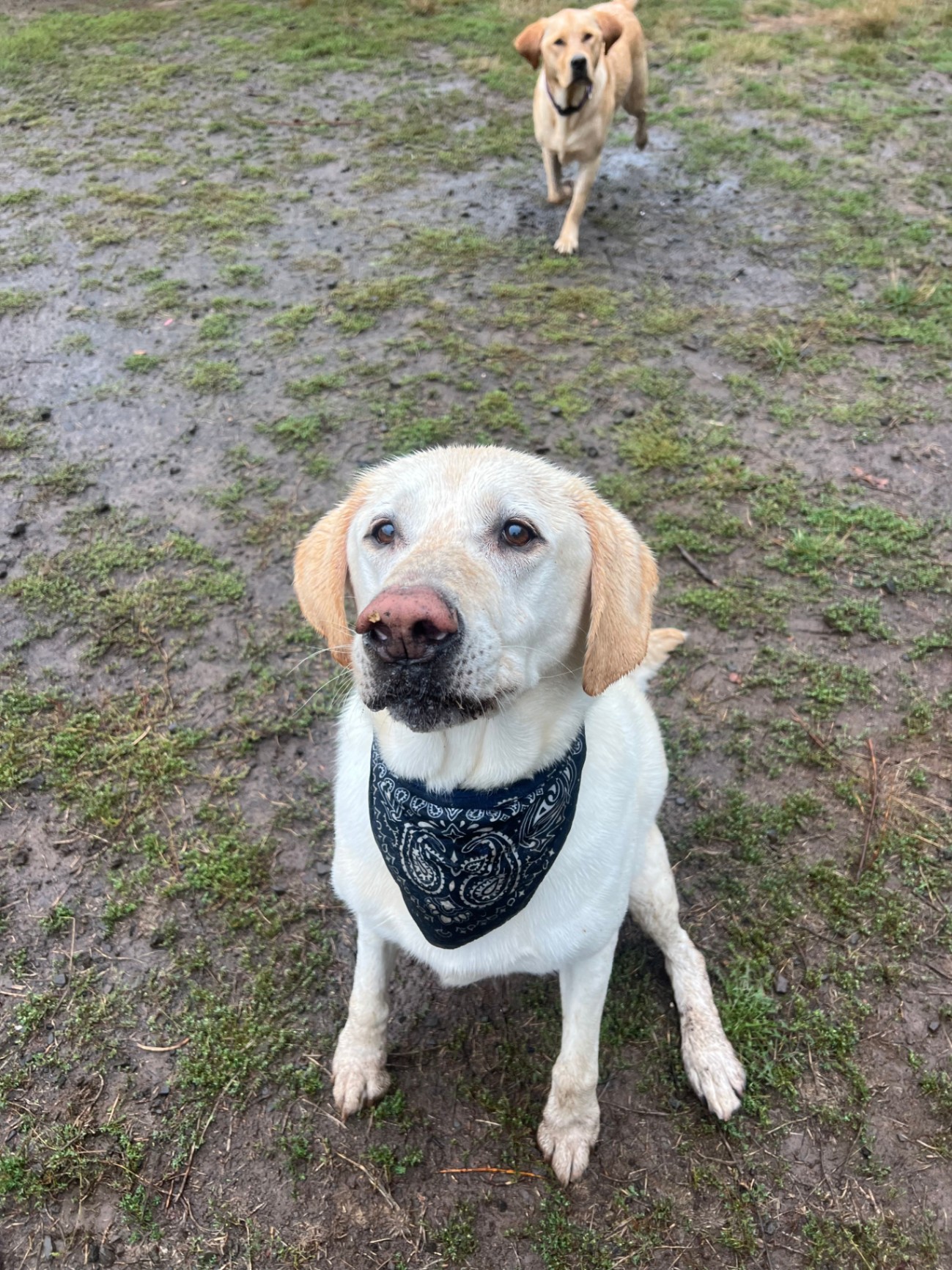
We talk a lot about gut health here at Green Acres because, frankly, it’s the foundation of everything. Whether your dog is here for daycare or an extended stay in boarding, we see the difference a healthy gut makes in their energy and mood.
The "microbiome" is a fancy word for the trillions of bacteria living in your dog’s digestive tract. A diverse microbiome is linked to a stronger immune system, better skin and coat health, and even improved behavior. When you rotate foods: incorporating different fibers, prebiotics, and probiotics: you are essentially "gardening" your dog’s gut.
A study published in the journal Nutrients highlights that dietary diversity is key to microbial richness. Just like we shouldn't eat only kale every day (as healthy as it is!), your dog thrives when their gut bacteria have different "fuel" sources to work with.
Beyond the Bowl: Rotational Enrichment
Rotating care isn't just about what goes into the belly; it’s about what goes into the brain. At Green Acres K-9 Resort, we practice "Environmental Rotation." If a dog sits in the same four-walled room every day, their brain starts to tune out. They become lethargic or, worse, develop "kennel stress."
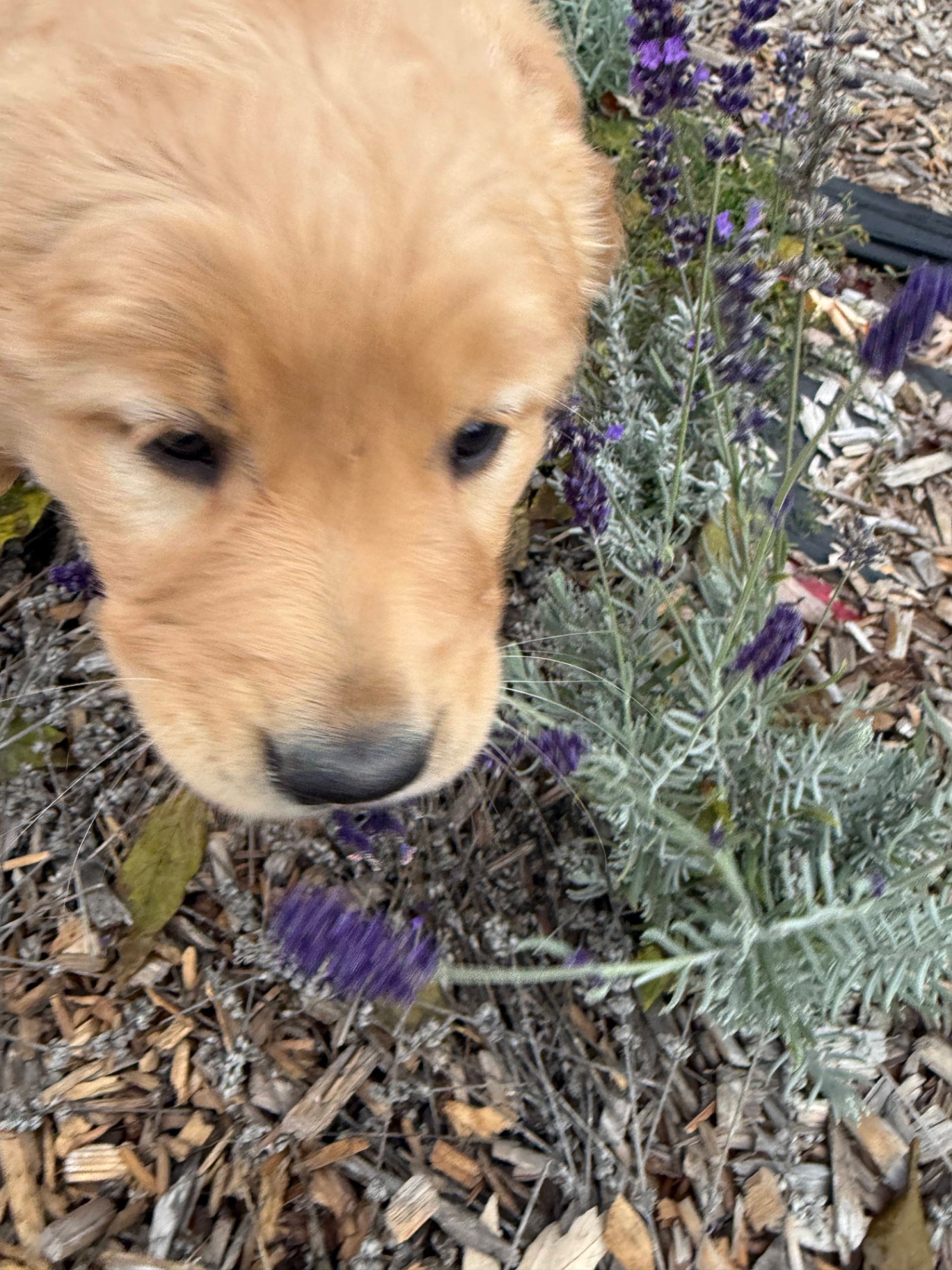
This is why we’ve invested so much into our sensory gardens. We rotate which dogs go to which areas, introducing them to new scents like lavender, rosemary, and different textures of mulch and grass.

When a dog encounters a new smell or a new type of terrain, their brain fires off in ways that a standard walk around the block simply can’t trigger. This is called "neophilia": the love of new things: and it’s a trait that keeps dogs youthful. For our older residents in Boring, this mental stimulation is just as important as physical exercise for staving off cognitive decline.
Why Variety Prevents "Picky Eater Syndrome"
We’ve all met that dog: the one who turns their nose up at everything unless it’s topped with a steak. Often, "picky eating" is a result of boredom or a lack of early exposure to different textures. By rotating your dog’s food and treats, you keep their palate engaged. This is especially helpful if your dog ever gets sick and needs to switch to a prescription diet; if they are used to variety, the transition is much less stressful for them (and for you!).
At our resort, we believe that mealtime should be a highlight of the day. That’s why we offer farm-fresh food options. We see the joy in their eyes when they get something fresh and different. It’s not just about nutrition; it’s about the emotional well-being that comes from a satisfying, varied lifestyle.
How We Implement This at Green Acres
We don’t just talk the talk; we walk the walk (literally, across our many acres!). When you bring your pup to us, they aren't just "in a kennel." They are participating in a structured rotation of:
Social Groups: We rotate playmates based on temperament and energy levels to ensure healthy socialization.
Sensory Exploration: One hour they might be in the grassy yard, the next they are exploring the gravel paths or the shaded "forest" zones.
Rest Cycles: Rotation includes downtime. Science tells us that dogs need "memory consolidation" time: periods of quiet to process what they’ve learned during play.
We take this personally. When I’m out there in my branded shirt, helping a shy Golden Retriever explore a new patch of lavender, I’m seeing the science of rotation work in real-time. The dog goes from tucked-tail to wagging-tail because their curiosity was sparked by something new.
Practical Home Integration Tip: The "Toy and Scent" Rotation
You don't need a massive resort to give your dog the benefits of rotational care! Here is a simple way to integrate this into your family life in Boring today:
The Toy Box Rotation: Instead of leaving all ten of your dog's toys on the floor at once, pick three. Put the other seven in a closed bin in the garage or a closet. Every Sunday, "rotate" the toys. Swap the three on the floor for three "new" ones from the bin.
The Science Tip: Before you bring the "new" toys out, rub them against something with a different scent: maybe a bit of grass from a local park or even a tiny drop of dog-safe diluted vanilla extract. This engages your dog’s olfactory system and makes an "old" toy feel like a brand-new discovery. This reduces "toy boredom" and keeps your pup mentally sharp without spending a dime at the pet store!
Is Rotational Care Right for Every Dog?
While most dogs thrive on variety, we know that every K-9 is an individual. Some pups have very sensitive stomachs or specific medical conditions that require a strict, singular diet. If you’re unsure, we always recommend checking out our FAQ or chatting with your vet.
However, even if the food can’t change, the scents and sights can. Taking a different route on your walk through Boring or letting your dog sniff a new area of the yard is a form of rotation that every dog can enjoy.
Final Thoughts from the Farm
At Green Acres K-9 Resort, we strive to be more than just a place to leave your dog. We want to be a resource for our community. We believe that by understanding the science of how dogs think and feel, we can provide care that goes beyond the basics.
Whether it’s through our grooming services that keep their skin healthy or our pettaxi that gets them safely to and from their adventures, our goal is a holistic, happy life for your pet.
We treat your dogs like our own because, to us, they are. My own kids and our family pets are often right here in the mix, and we wouldn't offer anything to your family that we don't believe in for ours.
So, next time you’re thinking about your dog’s routine, remember: a little change can go a long way. Let’s keep those tails wagging by keeping things interesting!
If you have questions about how we handle rotation or want to see our sensory gardens for yourself, feel free to contact us. We’d love to have you out to the resort!
Peer-Reviewed Sources & Bibliography
Microbiome Diversity:Handl, S., et al. (2011). "Fecal microbiota of healthy dogs and cats." Veterinary Clinics: Small Animal Practice. This study discusses how dietary variation influences the richness of gut bacteria.
Food Sensitivities:Verlinden, A., et al. (2006). "Food Allergy in Dogs and Cats: A Review." Critical Reviews in Food Science and Nutrition. This paper explores how long-term exposure to single proteins can contribute to the development of hypersensitivities.
Environmental Enrichment:Wells, D. L. (2004). "A review of environmental enrichment for Kennelled Dogs." Applied Animal Behaviour Science. A foundational look at how sensory and social rotation reduces stress and improves cognitive function.
Neophilia in Canines:Kaulfuß, P., & Wöhr, A. C. (2014). "Sensory enrichment in dogs." Journal of Veterinary Behavior. Research on how novel scents and textures stimulate the canine brain.
Nutritional Rotation:Proot, P., et al. (2004). "Dietary variety and food intake in dogs." Journal of Nutrition. This study examines how varied diets can prevent "monotony effect" and improve nutrient absorption.
Comments