
Why Rotating Exercise Will Change the Way You Manage Holistic Dog Care in Portland
- Green Acres K-9 Resort
- Apr 2
- 5 min read

If you’re like us here at Green Acres K-9 Resort, your dog isn’t just a pet: they’re a member of the family. Living out here in Boring, Oregon, we are blessed with beautiful trails and wide-open spaces, but we’ve noticed a common trend among even the most dedicated dog parents. Most of us get into a "walking rut." We take the same route, at the same pace, on the same pavement, day after day.
While consistency is great for many things (like feeding times!), science tells us that when it comes to exercise, a "one-size-fits-all" daily walk might be leaving your dog’s potential: and their health: on the table. We believe that rotating exercise is the secret ingredient to truly holistic dog care. It’s not just about burning off energy; it’s about conditioning the body, stimulating the brain, and protecting those precious joints for the long haul.
The Science of Muscle Confusion and Neural Pathways
When we talk about "rotating exercise," we aren’t just talking about changing the scenery. We’re talking about varying the intensity, the terrain, and the type of movement your dog performs.
In the world of canine sports medicine, researchers have found that repetitive motion on flat surfaces (like walking on a leash in a Portland suburb) primarily uses the same set of "prime mover" muscles. While this builds some endurance, it fails to engage the stabilizing muscles and the complex neural pathways required for balance and injury prevention.
By rotating activities: switching from a straight-line walk to a game of fetch on a hill, or from a steady trot to a scent-based search in a garden: we are essentially "teaching" the dog’s nervous system how to handle different physical stressors. This is known as proprioception: the body’s ability to perceive its own position and movement in space.
We strive to incorporate this into every stay here. Whether a pup is here for holistic dog boarding or just a day of play, we make sure they aren't just doing one thing. We might start with a group romp and follow it up with some quiet time navigating our sensory garden.
Why Variety Prevents Injuries
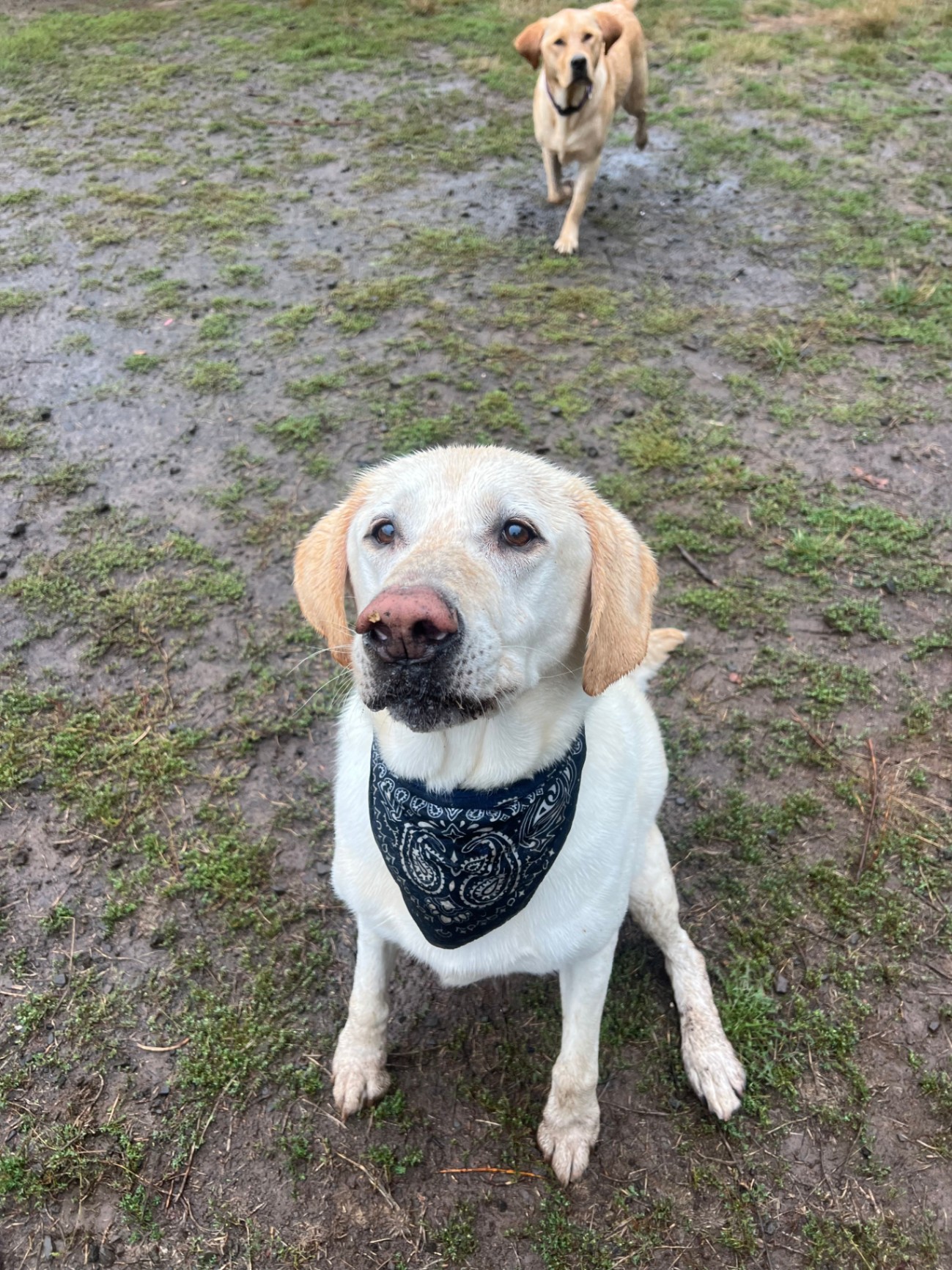
Have you ever noticed how "weekend warrior" dogs often end up with strained muscles on Monday morning? That’s often because their bodies are only conditioned for the sidewalk, but their hearts want to sprint through the muddy trails of the Sandy River Delta.
Rotating exercise acts as cross-training for dogs. According to veterinary rehabilitation experts, teaching your dog new ways to move expands the range of muscles and nerves that are "awake" and ready to work. For example:
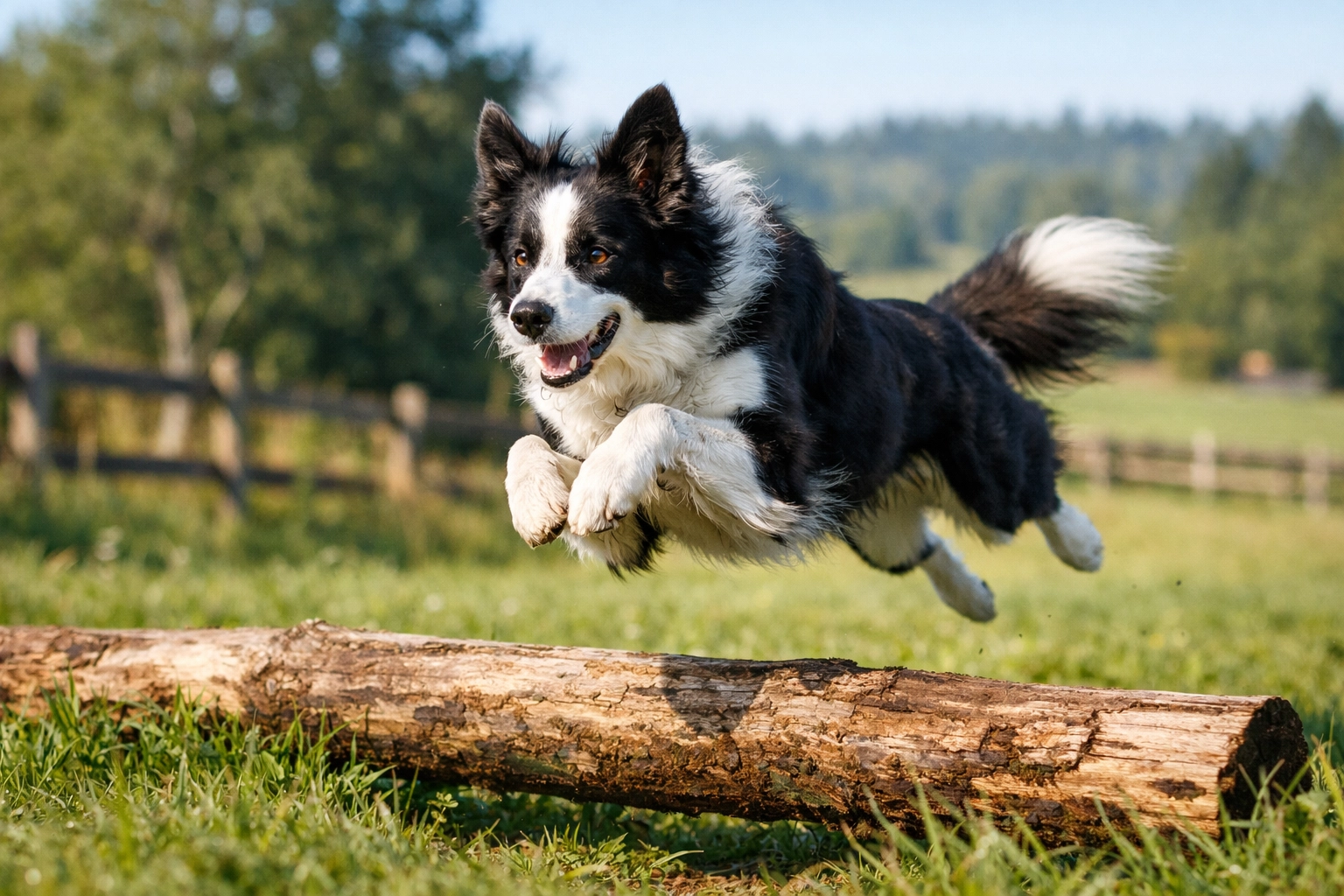
"Blast-off" Sports: Activities like fetching a frisbee or dock diving focus on explosive power and turns.
Straight-line Work: Long walks or slow jogs focus on tendon alignment and steady cardiovascular health.
Balance Work: Walking over logs or through tall grass (like we have in our natural play yards) builds core strength.
By rotating these types of exercises, we ensure that no single muscle group is overtaxed, and the stabilizing muscles around the hips and knees are strong enough to protect against common injuries like CCL tears. We see it as our mission to keep your pup healthy enough to join you on every family hike for years to come.
The Mental Benefits: Busting the "Boredom" Cortisol
Holistic care isn't just about the body; it’s about the mind. A dog that does the exact same thing every day can actually experience a plateau in mental stimulation, which sometimes leads to increased anxiety or destructive behaviors at home.
When a dog encounters a new type of exercise: like exploring a new scent or navigating a different texture of ground: their brain releases dopamine. This "reward" chemical is essential for a happy, balanced dog. Conversely, when we provide variety, we help lower baseline cortisol levels (the stress hormone).
At Green Acres K-9 Resort, we’ve seen firsthand how a change in routine can settle even the most anxious pup. We’ve found that interactive dog daycare that includes rotating play sessions and rest periods is far more effective than just letting dogs run in a flat yard all day.
Sensory Enrichment: The Missing Piece of Exercise
In Boring and the greater Portland area, we are surrounded by incredible sights and smells. But for a dog, "exercise" should also involve their nose. This is what we call "sensory exercise."
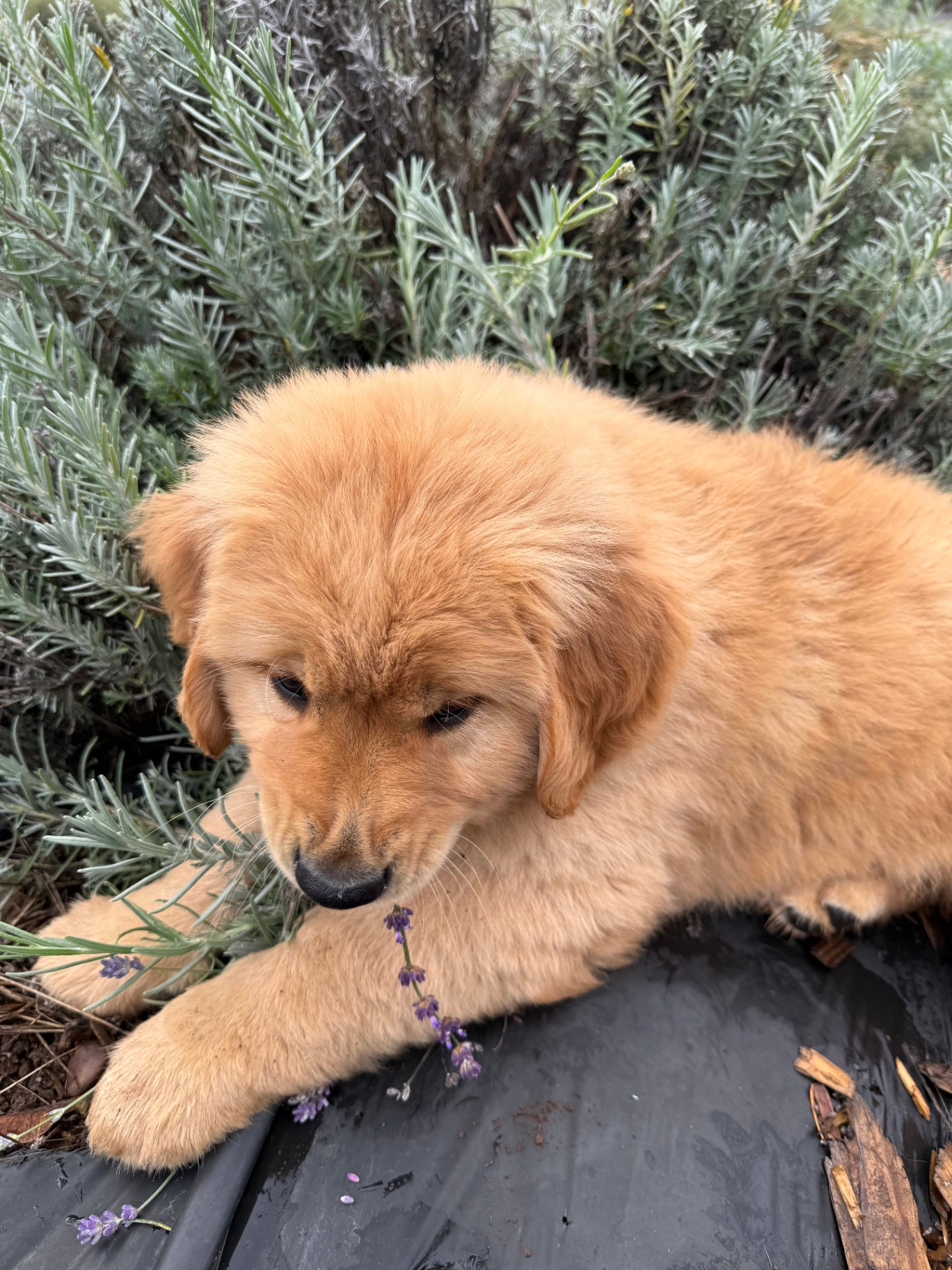
We take great pride in our sensory garden, where we’ve planted dog-safe herbs like lavender and rosemary. A dog spending fifteen minutes sniffing through a garden can be just as exhausted: and much more relaxed: than a dog that ran for fifteen minutes on a treadmill. This is because the act of processing complex scents uses a massive portion of the canine brain.
When you combine physical rotation (hills, grass, gravel) with sensory rotation (different smells, different toys), you are providing a truly holistic experience. This is why we often suggest that owners look into holistic dog care 101 to understand how these small changes in daily routine can make a big difference.
How We Practice This at Green Acres
We don't just talk the talk; we’re out there in the mud with your pups every day. Our approach to rotating exercise is built into our daily schedule. We believe that every dog is an individual, and their exercise should reflect that.
On any given day, we might be:
Supervising Playgroups: Ensuring size-matched groups for safe social exercise.
Individual Exploration: Allowing dogs to investigate our natural yards at their own pace.
Rest & Recovery: Using cozy, quiet spaces to let the muscles and mind process the activity.
It’s not always glamorous. Sometimes it means hosing off mud for the third time in an hour or checking every single paw for stickers after a romp in the field. But we do it because we know it’s what’s best for the dogs. We treat your K-9 pets with the same care we give our own four-legged family members.
Home Integration Tip: The "Variable Walk"
You don’t need a massive resort to start rotating your dog’s exercise. You can start tomorrow with the "Variable Walk" method!
The Tip: Three days a week, ditch your standard route. Instead of walking on the sidewalk, find a safe patch of grass or a local park in Boring where your dog can walk on different surfaces: mulch, sand, or tall grass. Stop every block and let them "search" for a few hidden treats in the grass. This simple change turns a physical chore into a physical and mental workout, helping your dog feel more settled and "integrated" into your relaxed home life once you return.
Conclusion
Rotating exercise is a game-changer for holistic care because it respects the dog’s entire biology. It builds a body that is resilient to injury and a mind that is calm and satisfied. Whether you are navigating the rainy streets of Portland or the rolling hills of Boring, remember that variety isn't just the spice of life: it’s the key to a long, healthy one for your best friend.
We are so honored that you trust us with your pups. If you ever have questions about how to mix up your dog's routine, just ask us the next time you drop off for daycare or boarding. We’re always here to help your family thrive.
Bibliography & Peer-Reviewed Sources
Zink, M. C., & Carr, B. J. (2018).Canine Sports Medicine and Rehabilitation. Wiley-Blackwell. (Focuses on the importance of cross-training and proprioception for injury prevention).
Horowitz, A. (2009).Inside of a Dog: What Dogs See, Smell, and Know. Scribner. (Details the cognitive load of scent processing and sensory enrichment).
Fry, L. M., et al. (2021). "The effects of environmental enrichment on canine cortisol levels and behavior in a kennel setting." Journal of Veterinary Behavior.
Loffler, S., et al. (2020). "Neuromuscular training and its effects on canine joint stability." American Journal of Veterinary Research.
Overall, K. L. (2013).Manual of Clinical Behavioral Medicine for Dogs and Cats. Elsevier Health Sciences. (Discusses the link between physical variety and anxiety reduction).
Comments