
15 Science-Backed Ways to Improve Your Dog’s Socialization at the Best Dog Boarding in Boring Oregon
- Green Acres K-9 Resort
- Mar 13
- 5 min read

Hey there, Boring neighbors! It’s Mark Griffin here from Green Acres K-9 Resort. I’m usually the guy you’ll see out in the yards with a handful of tennis balls or helping tidy up the suites to make sure everything is sparkling for our guests.
We know that for many of you here in the Boring and Damascus area, your dog isn’t just a pet: they’re a member of the family. Whether you’re heading out of town or just looking for a fun day for your pup, socialization is always at the top of the priority list. But what does "socialization" actually mean from a scientific perspective? It’s more than just "playing with other dogs." It’s about building a resilient, confident companion who can handle whatever life throws at them.
At Green Acres K-9 Resort, we live and breathe canine behavior. We’ve looked at the peer-reviewed research to bring you 15 science-backed ways to improve your dog’s socialization skills, whether they are staying with us or hanging out at home.
1. Respect the "Sensitive Period"
Science tells us that the primary socialization window for puppies is between 3 and 14 weeks of age. During this time, their brains are like sponges, forming neural pathways based on their experiences. Research by Scott and Fuller (1965) demonstrated that pups denied social contact during this window struggle with fear and aggression later in life. If you have a puppy, getting them into a controlled environment like our daycare during this window is crucial.
2. Prioritize "Quality" Over "Quantity"
It is a common myth that a socialized dog must meet every dog. In fact, a study published in Applied Animal Behaviour Science suggests that one negative experience can outweigh ten positive ones. We focus on curated playgroups where personalities match, ensuring every interaction is a "win" for your dog’s confidence.
3. Utilize Olfactory Enrichment (The Nose Knows!)
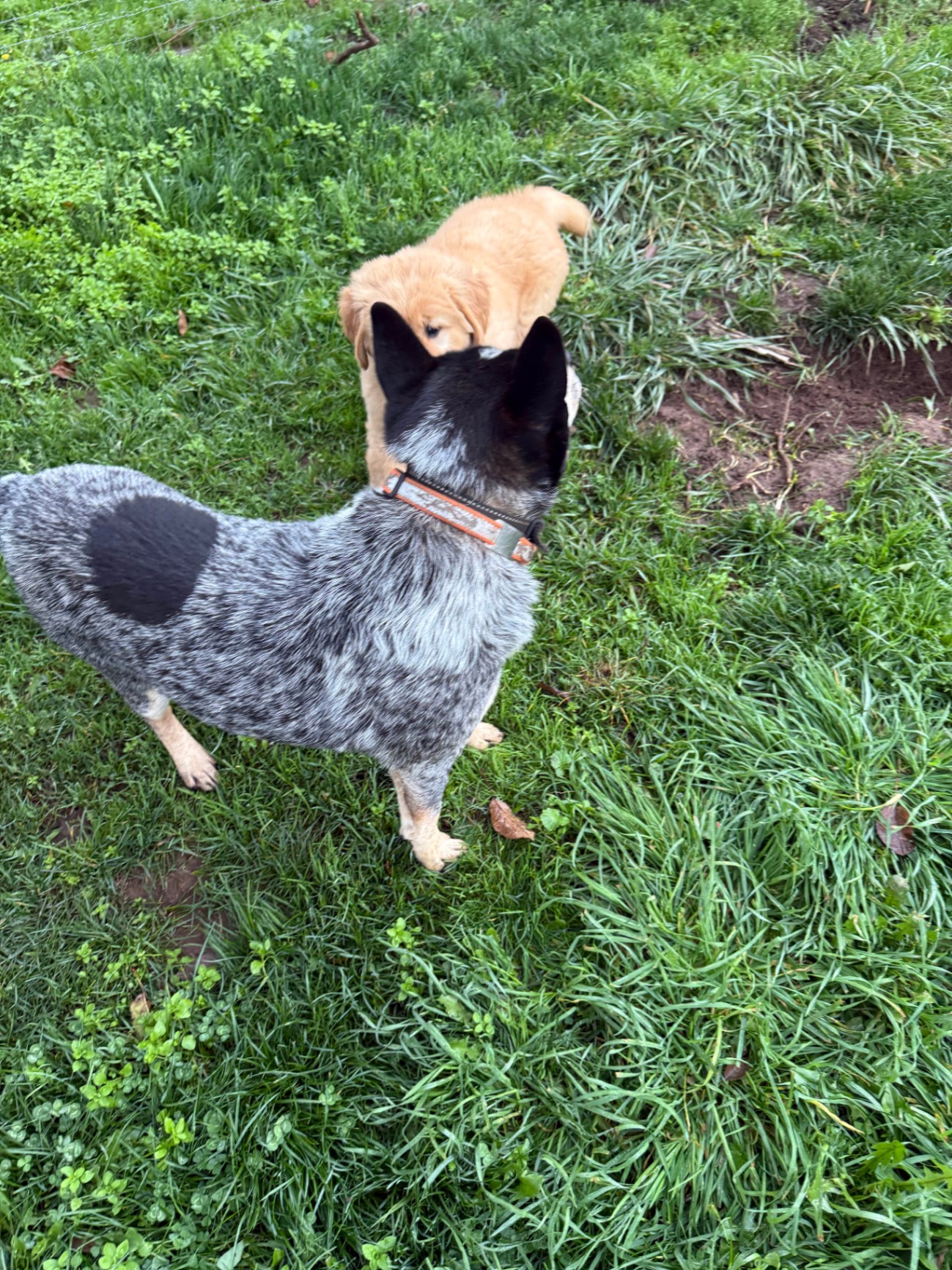
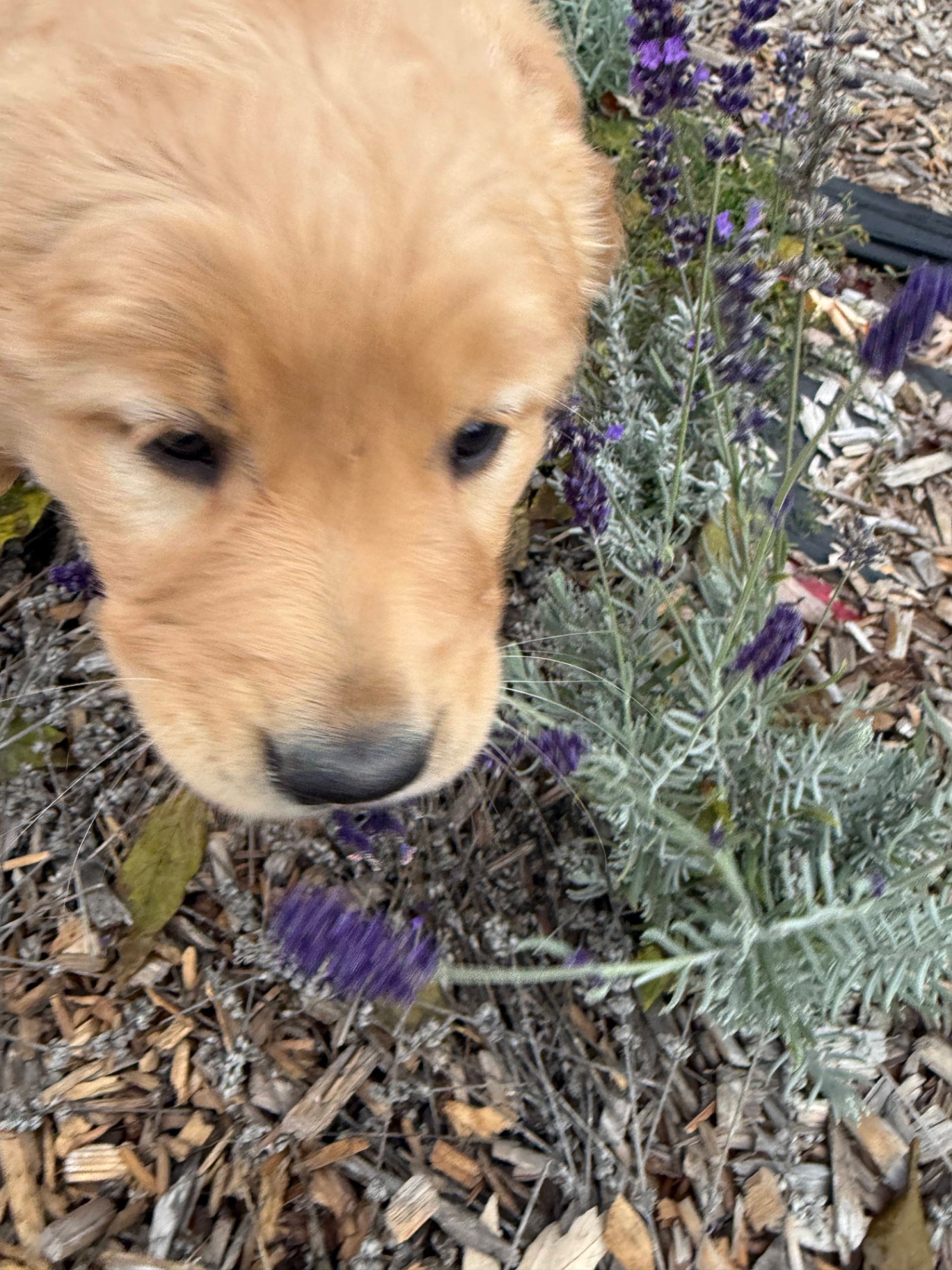
Socialization isn't just visual; it’s scent-based. Dogs have up to 300 million olfactory receptors. Allowing your dog to explore a "sensory garden" helps them process their environment calmly. At our resort, we love watching pups explore the natural smells of the Oregon countryside.
4. The Power of the "Oxytocin Loop"
When dogs engage in positive social play or receive affection from a trusted human, their bodies release oxytocin: the "love hormone." Research by Nagasawa et al. (2015) shows that this hormone reduces cortisol (stress). We make sure our "Helper" team (including myself!) gives plenty of one-on-one scratches to keep those oxytocin levels high.
5. Introduce Novel Textures and Surfaces
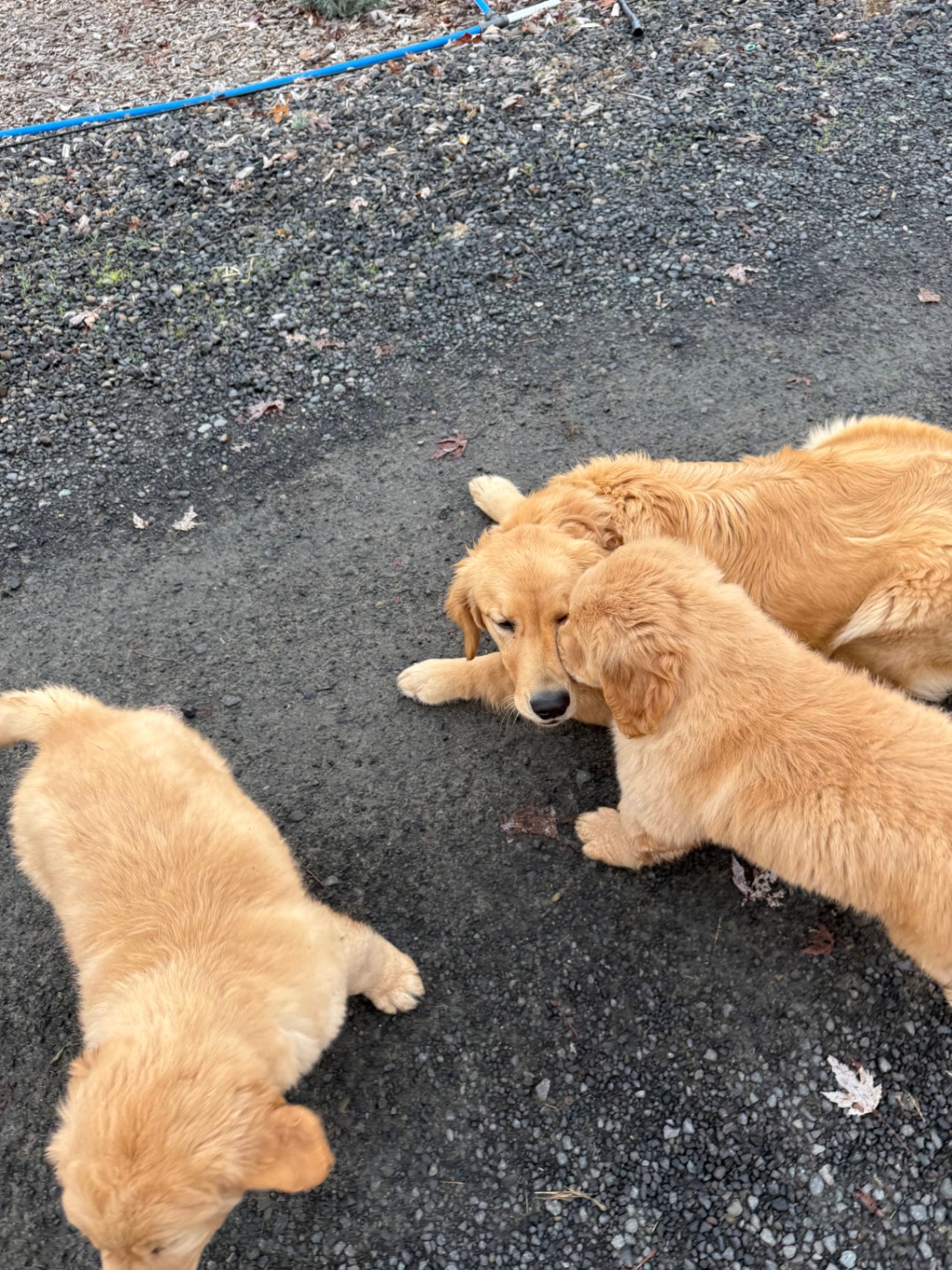
A well-socialized dog is confident on gravel, grass, bark, and tile. Science-backed training protocols suggest that exposing dogs to different "foot feels" prevents environmental phobias. This is why we maintain diverse play areas, from lush green grass to safe gravel yards.
6. Master the "Consent Test" in Play
Ever wonder if your dog is actually enjoying a romp? Scientists look for "meta-signals," like the play-bow. We use "consent tests": briefly holding one dog to see if the other moves back in to play. If they both want more, the science says the socialization is working!
7. Harness the "Social Facilitation" Effect
Dogs are "allelomimetic" animals, meaning they have a strong instinct to mimic the behaviors of the group. If an anxious dog sees a confident dog calmly enjoying boarding, they are scientifically more likely to relax. This "buddy system" is a cornerstone of our philosophy.
8. Controlled Exposure to Auditory Stimuli
Socialization includes getting used to sounds. Studies show that playing recordings of thunderstorms or fireworks at a low volume while providing treats (classical conditioning) reduces noise phobias. Our quiet, rural Boring location provides a peaceful baseline, but we ensure dogs are comfortable with the normal sounds of farm life.
9. Understanding the "Ladder of Aggression"
Science-backed socialization requires us to read body language before a bark happens. Lip licking, yawning, and "whale eye" (seeing the whites of the eyes) are early stress signals. Our staff is trained to spot these, allowing us to intervene and redirect before a dog feels overwhelmed.
10. Use Positive Reinforcement Only
The Journal of Veterinary Behavior has published numerous studies showing that aversive training (shouting or "alpha" rolls) actually increases social anxiety. We believe in high-value rewards and verbal praise. A happy dog is a social dog!
11. Engage in Cooperative Problem Solving
Interactive puzzles aren't just for indoors. When dogs work together or near each other to solve a "find it" game, it builds social tolerance. We often use food puzzles to keep minds sharp during downtime. You can learn more about our nutritional philosophy on our farm-fresh food page.
12. Recognize "Stress Synchronization"
Did you know your dog’s cortisol levels can mirror your own? A study from Linköping University found that dogs synchronize their long-term stress with their owners. When you drop your dog off at Green Acres, we strive to keep the energy calm and caring so your pup stays "level."
13. Focus on Generalization
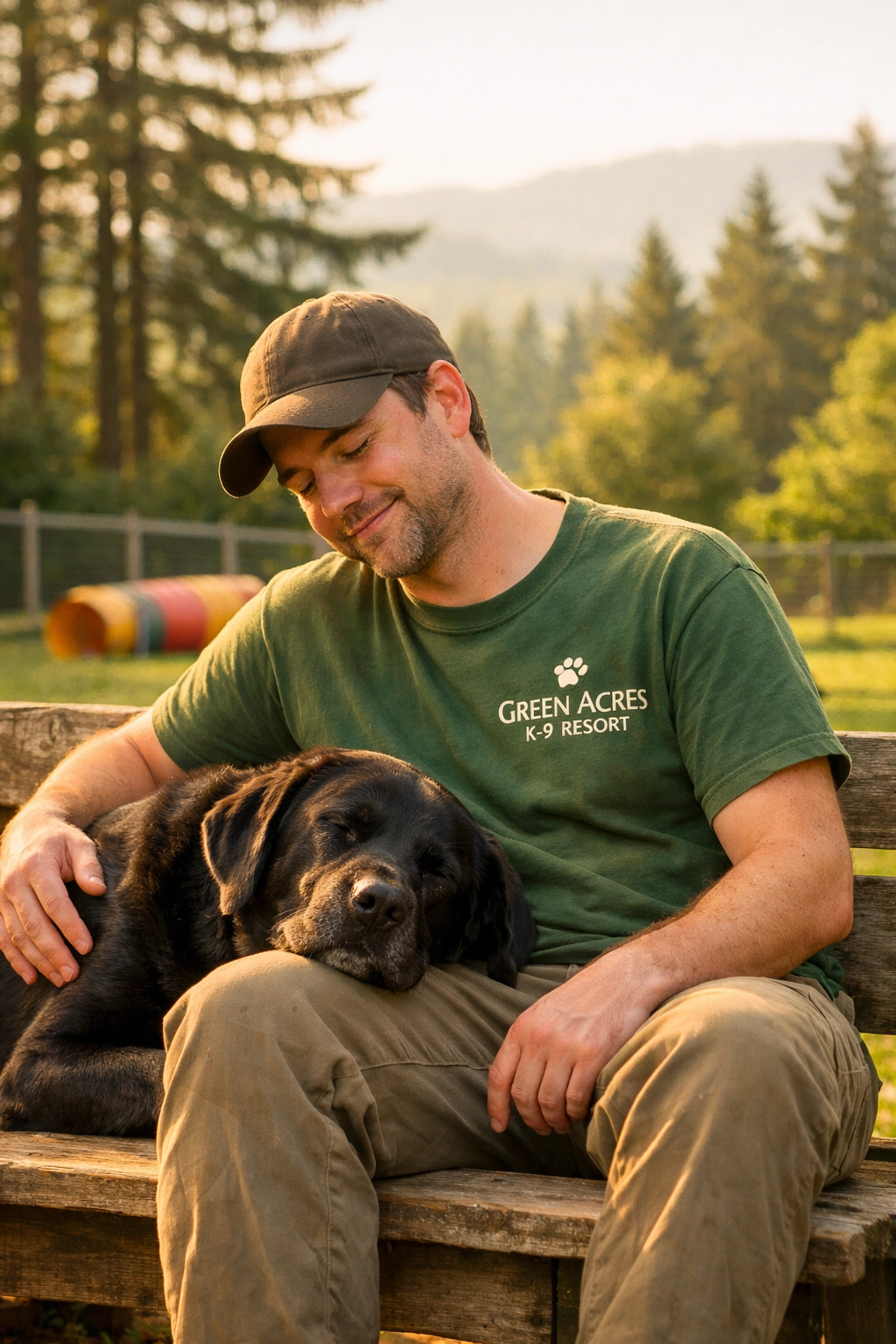
A dog might be great with other dogs at home but nervous in Boring, Oregon’s parks. Science calls the ability to apply rules in new places "generalization." By bringing your dog to a new environment like our resort, you are helping them generalize their social skills.
14. Grooming as a Social Tool
Believe it or not, being handled for grooming is a huge part of socialization. It teaches dogs that human touch is safe and rewarding. If your dog is nervous about their paws being touched, our grooming team uses gentle techniques to build that trust.
15. Provide "Decompression" Time
True socialization requires rest. The brain needs "sleep spindles" to consolidate new social memories. Science shows that over-stimulated dogs become reactive. That’s why we balance play with mandatory nap times in our climate-controlled suites.
A Personal Note from the Farm
At Green Acres K-9 Resort, we aren't just a business; we’re a family of dog lovers. My own pets have taught me that every dog learns at their own pace. We believe in a holistic approach: looking at the whole dog, from their belly to their brain. We strive to be the "home away from home" where the science of behavior meets the heart of a caregiver.
If you're curious about how we can help your pup become the best version of themselves, check out our FAQ or reach out to us directly. We’d love to welcome you to our Boring, Oregon family!
Home Integration Tip: The "Hand-Feeding" Bond
To improve your dog's social bond with your family at home, try hand-feeding a portion of their dinner while practicing simple commands like "sit" or "look." This scientifically boosts engagement and reinforces you as the source of all things good, reducing resource guarding and increasing social focus on humans.
Bibliography & Peer-Reviewed Sources
Scott, J. P., & Fuller, J. L. (1965).Genetics and the Social Behavior of the Dog. University of Chicago Press. (Classic study on the critical socialization period).
Nagasawa, M., et al. (2015). "Oxytocin-gaze positive loop and the coevolution of human-dog bonds." Science, 348(6232), 333-336.
Howell, T. J., et al. (2015). "Puppy parties and beyond: the role of early age socialization on adult dog behavior." Veterinary Medicine: Research and Reports.
Sundman, A. S., et al. (2019). "Long-term stress levels are synchronized between dogs and their owners." Scientific Reports, 9(1).
Rooney, N. J., & Cowan, S. (2011). "Training methods and owner–dog interactions: Links with dog behaviour and learning ability." Applied Animal Behaviour Science.
Overall, K. L. (2013).Manual of Clinical Behavioral Medicine for Dogs and Cats. Elsevier Health Sciences. (Details on the 'Ladder of Aggression').
Comments