
7 Mistakes You're Making with Dog Socialization (And How Science Says to Fix Them)
- Green Acres K-9 Resort
- Feb 17
- 5 min read

Here at Green Acres K-9 Resort, we see a lot of dogs. And I mean a lot. Some come in bouncing off the walls with excitement, others hide behind their owners' legs, and a few... well, let's just say they'd rather be anywhere else. After years of working with dogs in our Boring, Oregon facility, we've noticed patterns, and not always good ones.
The truth? Most dog owners think they're doing socialization right. They take their pups to the dog park, let them say hi to every dog they meet on walks, and assume that more exposure equals better behavior. But here's what science actually tells us: you might be making your dog's social anxiety worse, not better.
Let's break down the seven most common mistakes we see, and more importantly, how to fix them based on actual research, not just outdated dog training myths.
Mistake #1: Forcing Interactions
We get it. You want your dog to be friendly. But forcing a shy dog to "just say hi" to every person or dog you encounter is like pushing someone with social anxiety into a crowded room and expecting them to thrive.
Research in canine behavior shows that forced interactions create stress responses that can permanently damage a dog's confidence. When you make a nervous dog interact before they're ready, their cortisol levels spike, and they associate that stressful feeling with social situations.
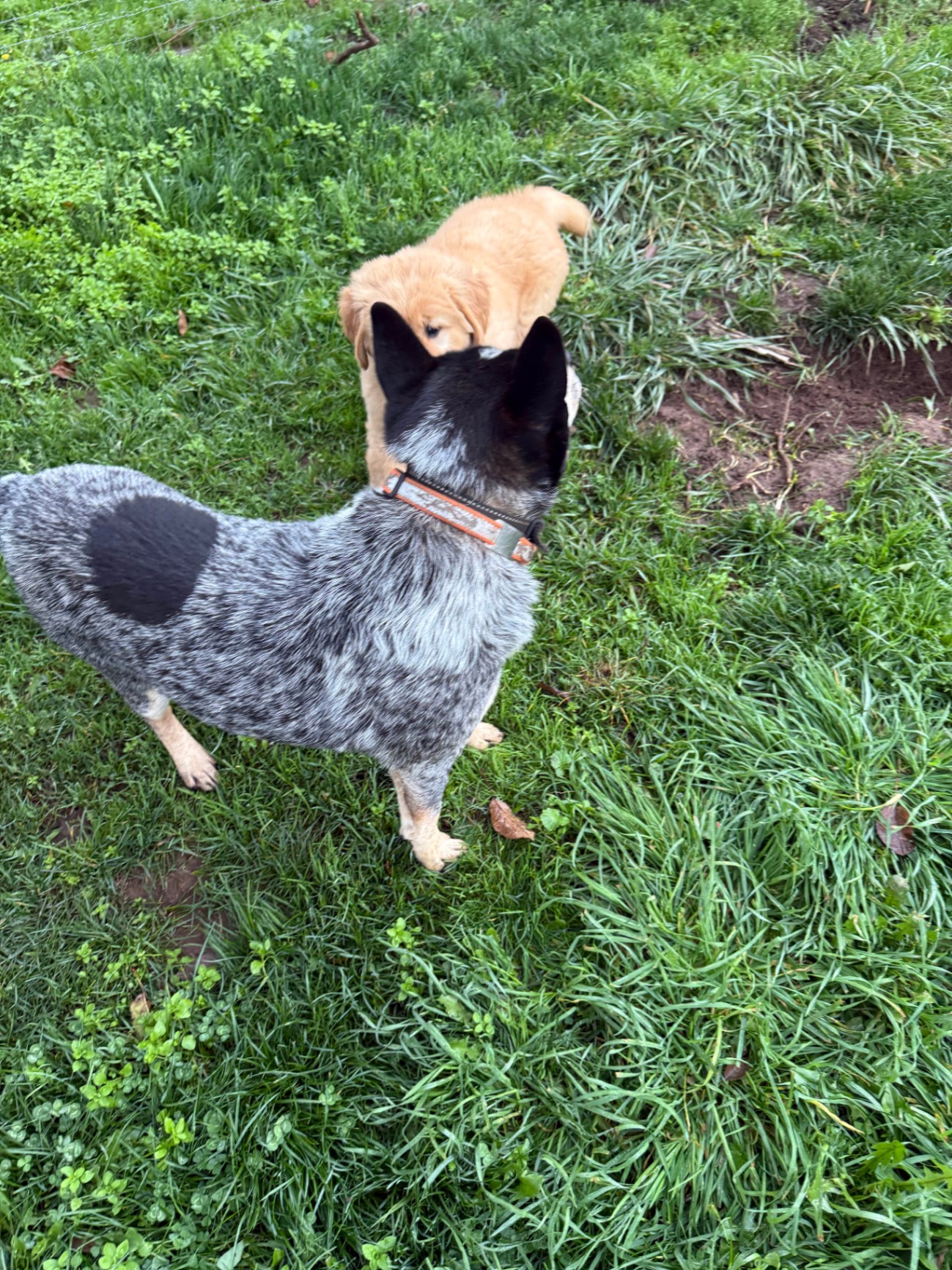
The Science-Based Fix: Allow observation before interaction. Distance is your friend. Let your dog watch other dogs from a safe distance where they can relax. Studies on canine stress responses demonstrate that dogs build confidence through calm observation, not forced participation. At Green Acres, we never rush introductions: we let dogs set the pace.
Mistake #2: Using Dog Parks as Your Primary Socialization Tool
Dog parks seem like the perfect solution, right? Wrong. And the research backs this up.
Unstructured environments with unknown dogs, inconsistent owner supervision, and no rules create what behavioral scientists call "chaotic exposure." Your dog isn't learning manners: they're learning survival skills. And the difference matters.
Studies show that dogs exposed primarily to dog park environments often develop one of three problems: reactivity toward other dogs, complete disinterest in their handler, or heightened arousal that looks like aggression.
The Science-Based Fix: Choose structured environments with calm, balanced dogs. We believe in controlled socialization at Green Acres because it works. Start with one or two known dogs in a managed setting. Build from there. Quality over quantity, always.
Mistake #3: Confusing Excitement With Confidence
That dog pulling, whining, and lunging toward every dog they see on walks? They're not confident: they're overstimulated. And there's a big difference.
Research on canine arousal states shows that dogs operating at high excitement levels can't actually process information or learn appropriate behavior. Their nervous system is essentially flooded. Over time, this creates frustration reactivity: your dog gets so amped up that they can't calm down, leading to explosive behavior.
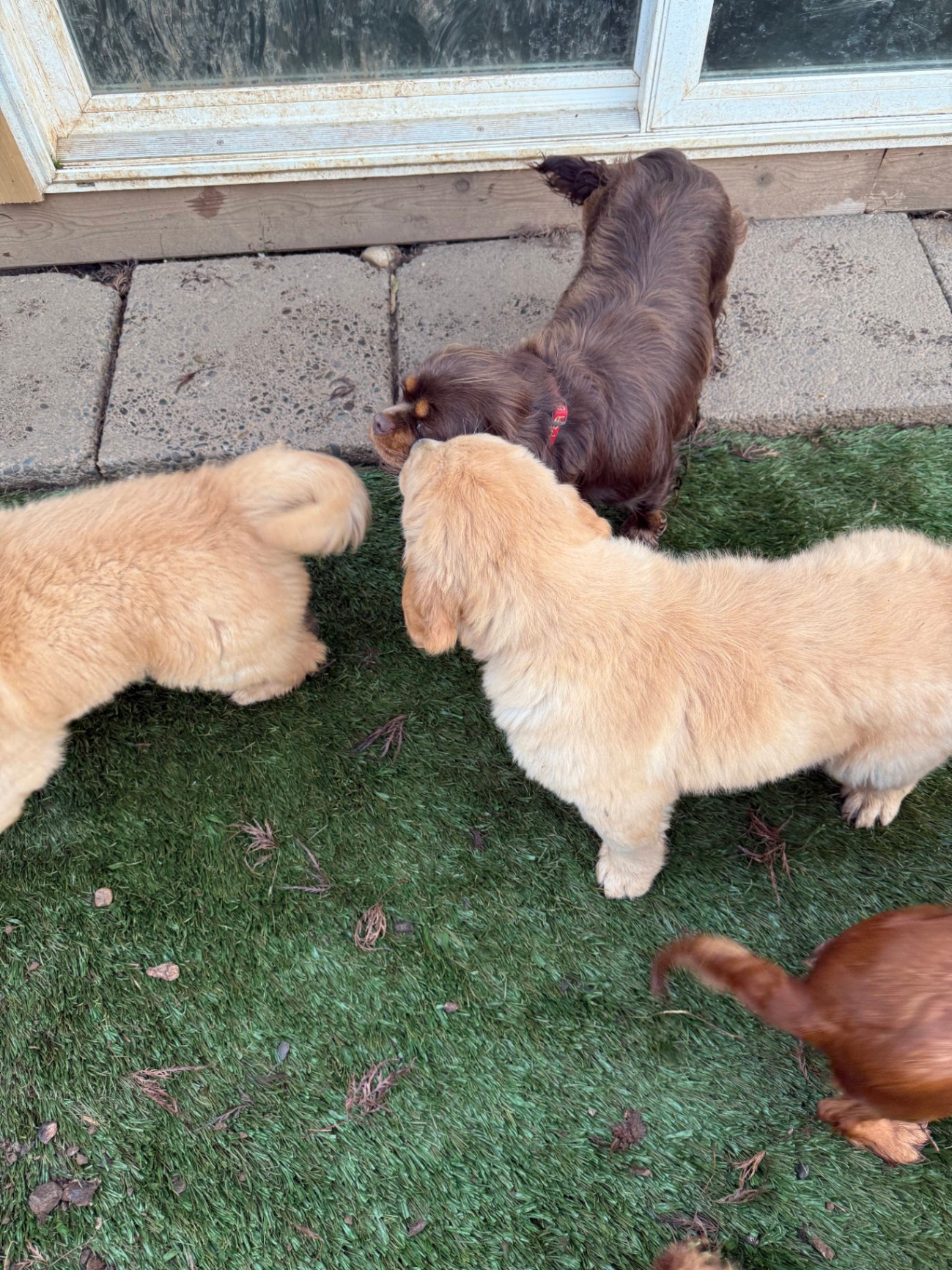
The Science-Based Fix: Reward calm behavior and teach impulse control. Before your dog gets to greet another dog, they need to sit calmly and look at you. We practice this constantly at our facility: building engagement with the handler before allowing interactions. It's not about being strict; it's about setting your dog up for success.
Mistake #4: Overexposing Too Quickly
Here's a mistake we see all the time, especially with new puppy parents: they think socialization means exposing their dog to everything, everywhere, all at once. Nope.
Behavioral research clearly demonstrates that "flooding": overwhelming a dog with stimulation: creates negative associations that can last a lifetime. When a dog's nervous system is overloaded, they can't differentiate between safe and unsafe experiences. Everything becomes stressful.
The Science-Based Fix: Gradual exposure in short, successful sessions. Start in familiar, controlled settings before introducing new challenges. Keep some factors consistent while introducing one new element at a time. At Green Acres, we carefully monitor play groups and remove dogs before they become overwhelmed. Short, positive experiences build confidence. Long, chaotic ones build fear.
Mistake #5: Comforting Fear or Nervousness
This one feels counterintuitive, but hear us out. When your dog is scared and you respond with "It's okay, baby! You're okay!" in a high-pitched, soothing voice while petting them... you're actually reinforcing the fear.
Studies on classical conditioning in dogs show that when we provide comfort during fearful responses, we validate that emotional state. The dog learns: "When I feel afraid, my person acts like this is the correct response." Over time, this creates deeper anxiety and mistrust.
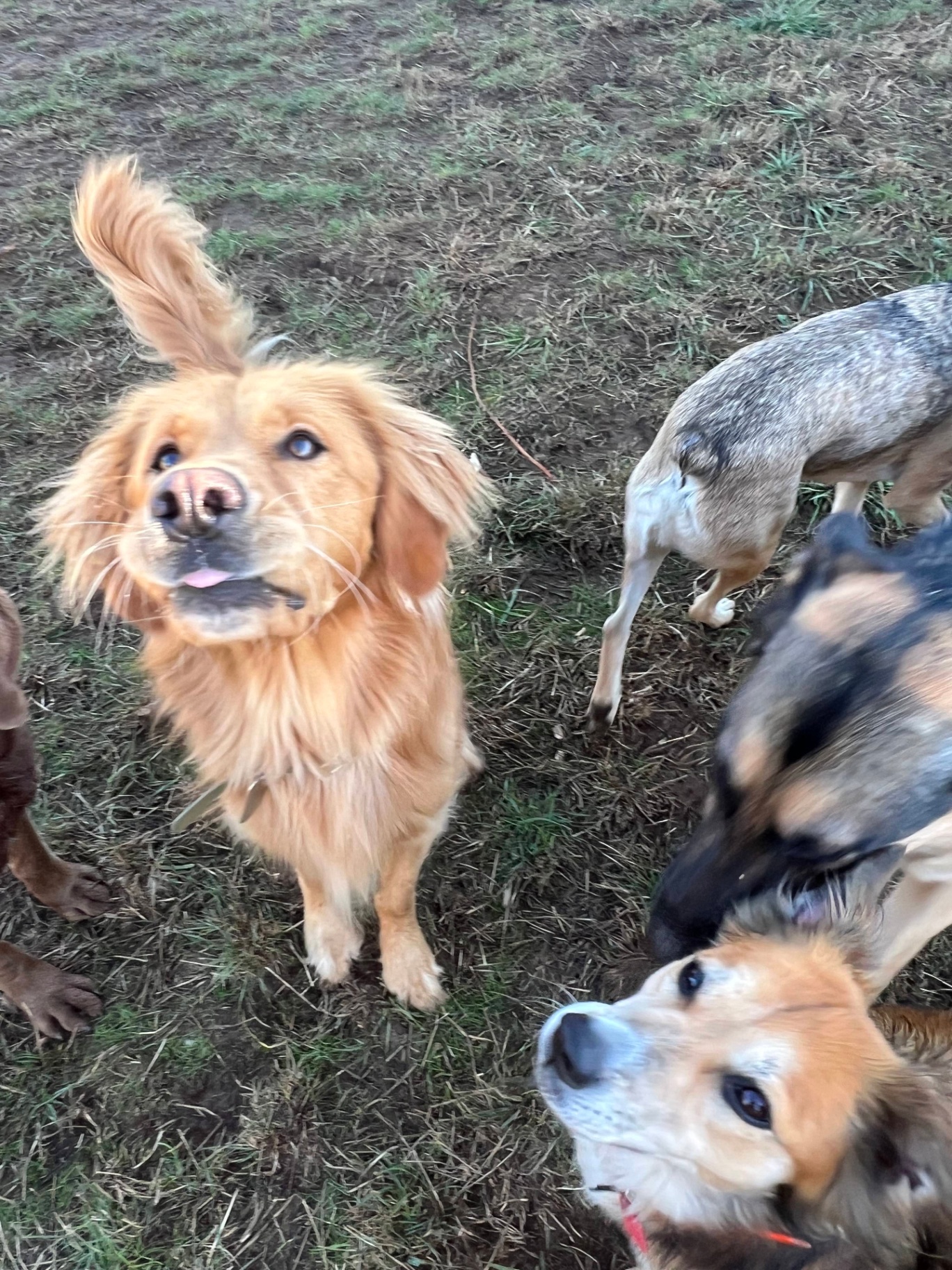
The Science-Based Fix: Stay calm, neutral, and confident. Your energy guides your dog. Instead of soothing, calmly guide them through the situation with confident body language. We practice this at Green Acres constantly: remaining neutral and matter-of-fact when dogs display nervous behavior, while rewarding brave choices.
Mistake #6: Ignoring Leadership During Socialization
Dogs are pack animals. They look to their handler for safety cues and guidance. When you're tense, unsure, or passive during social situations, your dog notices. And they assume they need to take charge.
Research on canine social cognition demonstrates that dogs constantly read their handler's emotional state and use it to assess situations. When handlers display anxiety or uncertainty, dogs become reactive because they believe they need to protect themselves: and you.
The Science-Based Fix: Be clear, consistent, and lead calmly. Dogs relax when leadership is present. This doesn't mean being harsh or dominating: it means being confident and consistent. At our resort, we maintain calm, assertive energy that helps dogs feel secure. They don't need to make decisions or "protect" us because we've got it handled.
Mistake #7: Thinking Socialization Ends After Puppyhood
We hear this all the time: "My dog was socialized as a puppy." Great! But socialization isn't a checkbox you complete once and forget about.
Longitudinal studies on canine behavior show that social skills require ongoing maintenance throughout a dog's entire life. Just like humans, dogs need continued positive social experiences to maintain their confidence and appropriate responses.
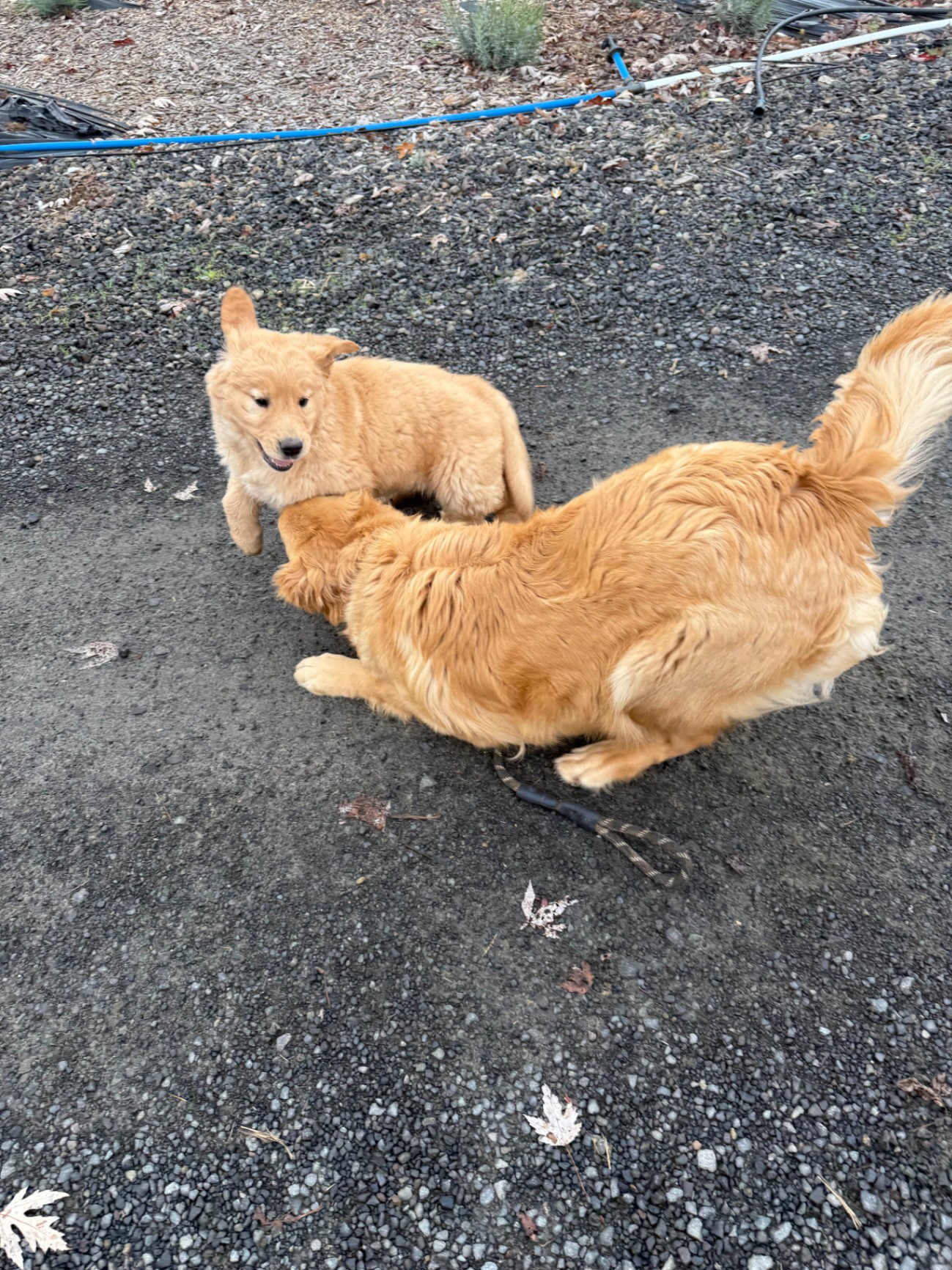
The Science-Based Fix: Continue providing positive social opportunities throughout your dog's life. This is exactly why regular daycare at facilities like ours in Boring matters: it gives dogs consistent, structured social experiences that maintain their skills and confidence.
The Real Goal of Socialization
Here's what we want you to understand: the goal isn't to create a dog that's "friendly" with everyone. The goal is to create a stable dog: one that can exist calmly in the world without reacting to every stimulus.
We believe in teaching neutrality, building confidence at your dog's pace, reinforcing calm behavior, and helping dogs learn how to simply exist in various environments without stress or reactivity.
Home Integration Tip: The "Three Before Free" Rule
Want to start improving your dog's socialization at home right now? Try our "Three Before Free" approach with your family:
Before allowing your dog to greet family members coming home, have them perform three calm behaviors: sit, down, and eye contact. Only after successfully completing all three in a calm state do they get the greeting. This teaches impulse control and calm behavior in exciting situations: skills that transfer to every social interaction they have.
Practice this daily with everyone in your household. Your dog will learn that calm behavior earns what they want, not excited reactivity. We use this principle constantly at Green Acres, and the transformation we see in dogs is remarkable.
Science-Based Sources
If you're in the Boring, Oregon area and want to see structured, science-based socialization in action, come visit us at Green Acres K-9 Resort. We're not just about letting dogs play: we're about helping them become the stable, confident companions you and your family deserve.
Comments