
The 5-Minute Daily Check That Could Save Your Dog's Life: A Boring Pet Owner's Guide
- Green Acres K-9 Resort
- Feb 18
- 6 min read

We know what you're thinking: "Another thing to add to my to-do list?" But here's the truth: this simple routine could be the difference between catching a health issue early and dealing with a serious medical emergency down the road. And here at Green Acres K-9 Resort, we've seen firsthand how a proactive approach to canine health can transform outcomes for our furry friends.
Now, about that "daily" in the title: let's talk real science for a moment. While daily attention to your dog is always good, veterinary experts actually recommend a weekly 5-minute health scan as the sweet spot for early detection.[3] Dr. Julie Buzby, a renowned veterinary expert, developed what she calls the "Tip-to-Tail Health Scan," and it's designed to be thorough without being overwhelming. For us Boring, Oregon pet owners juggling families, work, and everything else, weekly is manageable and incredibly effective.
Why We Believe in the Weekly Health Scan
At Green Acres, we practice what we preach. Every dog who comes through our doors gets a thorough once-over, and we encourage all our families to do the same at home. The magic of this approach isn't just about finding problems: it's about knowing your dog so well that you can spot the tiniest changes before they become big issues.
Think of it like this: you wouldn't wait until your car completely breaks down to check the oil, right? The same principle applies to your four-legged family member. Early detection of lumps, dental disease, skin conditions, or mobility issues can significantly improve treatment outcomes and, frankly, save you thousands in veterinary bills.[3]
The 10-Touch Method: Your Roadmap to Prevention
Dr. Buzby's method is brilliant in its simplicity. It combines something your dog already loves: being petted: with systematic observation. Here's how we approach it, and how you can too:
1. Heart Rate Check
Place your flat fingers (not your palm) on the left side of your dog's chest, right behind their front leg. You should feel their heartbeat. At rest, a normal dog's heart rate ranges from 60-140 beats per minute, with smaller dogs typically having faster heart rates.[3] Get to know what's normal for your pup so you can recognize when something's off.
2. Full Body Palpation
Run your hands slowly over your dog's entire body: neck, back, chest, belly, legs, and tail. You're feeling for anything unusual: lumps, bumps, swelling, or areas that make your dog flinch or pull away. We do this with every dog at Green Acres during their stay, and you'd be surprised what we find. One family's dog had a small lipoma we caught early, which turned out to be benign but worth monitoring.
3. Coat and Skin Inspection
While you're petting, look closely at your dog's coat. Is it shiny and healthy? Are there patches of missing fur, redness, dandruff, or excessive dryness? During tick season here in the Pacific Northwest, this check is especially critical. We've found more than a few ticks on our daycare dogs that their owners missed.
4. Eyes, Ears, and Mouth
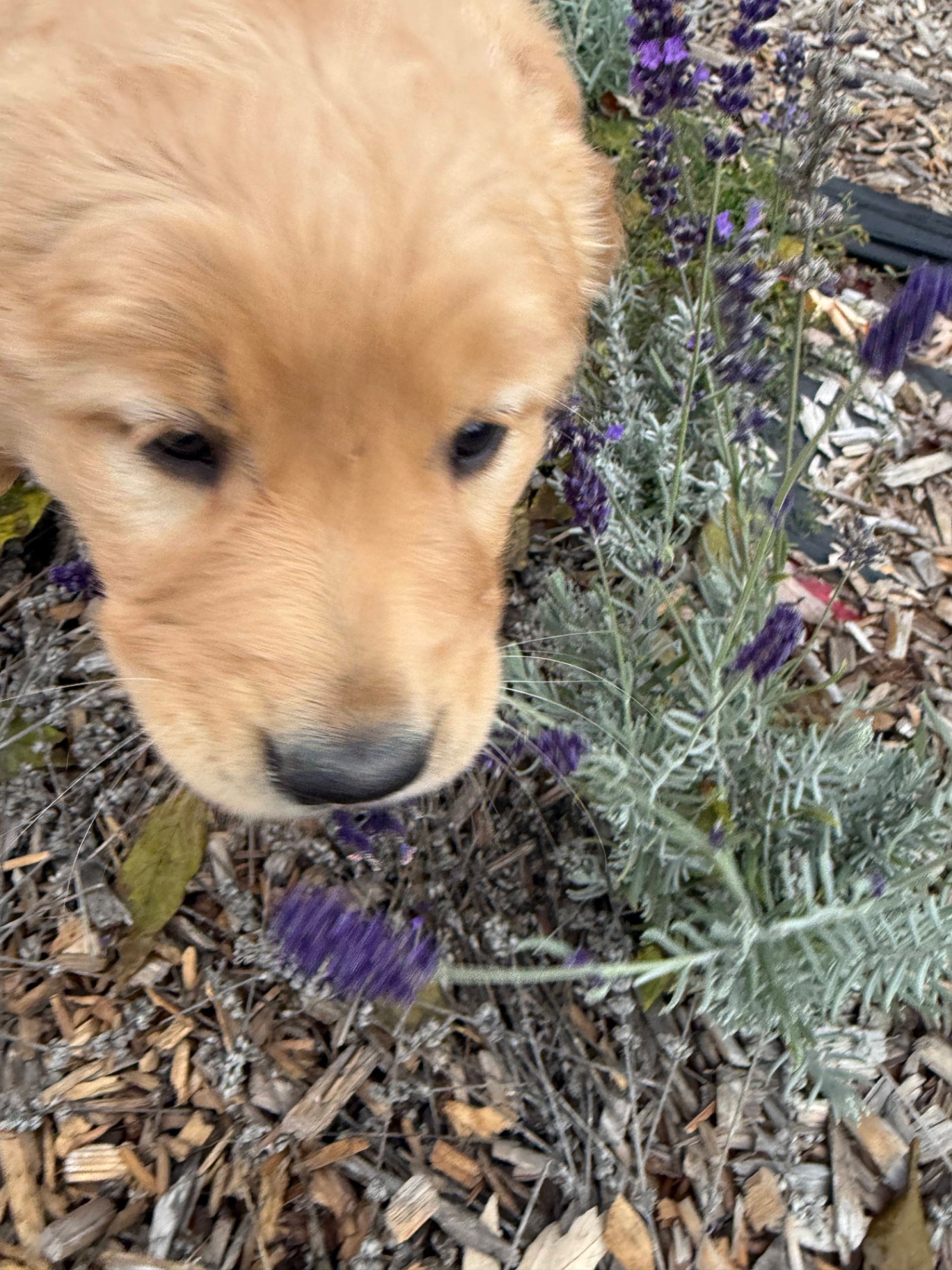
Look into your dog's eyes. They should be clear and bright, without discharge or cloudiness. Gently lift their ears and give a sniff: a healthy ear shouldn't have a strong odor. Then comes the mouth check. Lift their lips and look at their gums (they should be pink, not pale or red), check for tartar buildup, and note any loose or broken teeth. Dental disease affects 80% of dogs by age three,[1] and it's one of the most preventable health issues we see.
5. Paw Patrol
Spread your dog's toes and examine between the pads. Look for redness, cuts, bleeding, matted fur, torn nails, or foreign objects. Our Boring area dogs love their hikes and outdoor adventures, which means paw injuries are surprisingly common. A small cut or embedded foxtail can quickly become infected if not caught early.
6. Weight and Body Condition
Look at your dog from above. You should be able to see a waist. Run your hands along their ribs: you should be able to feel them without pressing hard, but they shouldn't be visible. Weight changes can signal anything from thyroid issues to diabetes, and maintaining a healthy weight is one of the best things you can do for your dog's longevity.[2]
7. Movement and Gait Observation
Watch your dog walk and run. Are they limping? Favoring a leg? Moving stiffly? We see a lot of older dogs at our resort, and mobility issues are often gradual. By watching weekly, you'll notice subtle changes that might indicate arthritis, hip dysplasia, or other orthopedic concerns.
8. Behavior and Energy Levels
Has your usually enthusiastic dog become lethargic? Is your couch potato suddenly anxious or hyperactive? Behavioral changes are often the first sign that something's wrong. Dogs can't tell us when they're in pain or feeling off, but their behavior speaks volumes.
9. Breathing Patterns
Observe your dog at rest and during light activity. Excessive panting when it's not hot, persistent coughing, or labored breathing are all red flags that warrant a vet visit. Respiratory issues can escalate quickly, so don't wait if something seems off.[3]
10. Eating and Elimination
Track your dog's appetite, water intake, and bathroom habits. Changes in any of these areas can indicate everything from dental pain to kidney disease. We keep detailed notes on every dog's eating and elimination patterns at Green Acres, and we encourage you to do the same at home: even if it's just mental notes.
The Secret Sauce: Consistency and Record-Keeping
Here's what makes this system work: repetition. By doing this scan at the same time every week (we recommend Sunday mornings with your coffee), you establish a baseline.[3] You'll know what's normal for your dog, which means you'll immediately recognize when something changes.
Keep simple records. It doesn't have to be fancy: a note in your phone or a journal works great. Date your entries and jot down anything unusual: "Small lump on left shoulder, size of pea" or "Right rear paw seems tender." This documentation becomes invaluable if you need to visit your vet.
Home Integration Tip: Make It a Family Ritual
Here's our recommendation for integrating this into your family routine: Make the weekly health scan a family activity. Assign different family members different tasks: one person checks the paws, another examines the mouth, kids can help with coat brushing and observation. This accomplishes several things:
It teaches children responsibility and empathy for animals
It ensures multiple pairs of eyes are checking your dog
It makes the experience positive and less stressful for your dog
It creates a bonding ritual that your whole family looks forward to
Pair the health scan with something your dog loves: their weekly special treat, an extra-long snuggle session, or their favorite game. At Green Acres, we've found that dogs who are used to being handled and examined are calmer during grooming and vet visits, which makes everyone's life easier.
Why We're Passionate About This at Green Acres
We see hundreds of dogs every month at our Boring location, and we've become pretty good at spotting potential health issues. But you know your dog better than anyone. You live with them, sleep near them, and notice the subtle things that even we might miss during daycare or boarding.
We believe that pet care is a partnership between you and us. When you bring your dog to Green Acres K-9 Resort, we're not just providing a service: we're extending your family's care team. Every staff member is trained to observe and report any changes in behavior, appetite, or physical condition. But the weekly scan you do at home? That's your superpower as a pet parent.
Our holistic approach to dog care means we look at the whole picture: physical health, mental stimulation, social needs, and emotional wellbeing. This weekly health scan fits perfectly into that philosophy. It's preventive, proactive, and deeply caring: exactly how we approach every dog who walks through our doors.
When to Call the Vet
Not every finding requires an emergency vet visit, but trust your instincts. New lumps, persistent limping, behavioral changes, loss of appetite, increased water consumption, breathing difficulties, or anything that just feels "off" deserves a call to your veterinarian. We're always happy to give you a second opinion if you notice something during a daycare or boarding stay: just ask us. That's what we're here for.
The beauty of this system is that you catch things early, when they're usually easier and less expensive to treat. An early-stage dental issue is a cleaning; advanced periodontal disease requires extractions and pain management. A small lipoma (fatty tumor) can be monitored; an undetected malignant tumor can be life-threatening.
We know life in Boring can be busy. You're managing work, family, maybe some acreage, and all the beautiful outdoor adventures our area offers. But we promise: these five minutes each week are some of the most valuable you'll spend. Your dog depends on you to be their advocate, their voice, and their first line of defense against health issues.
At Green Acres K-9 Resort, we're honored to be part of your dog's care team. Whether your pup is here for daycare, boarding, or grooming, we treat them like family. Because at the end of the day, that's exactly what they are: not just to you, but to us too.
Bibliography
Comments