
How to Integrate Holistic Dog Care Practices from Portland into Your Family’s Daily Routine
- Green Acres K-9 Resort
- Mar 3
- 5 min read

Hey there, neighbors! Mark Griffin here. If you’ve spent any time around us at Green Acres K-9 Resort, you know we’re more than just a place for your pups to stay while you’re headed out of town. We’re a family, and we view every dog that trots through our gates in Boring, Oregon, as an extension of our own.
Living so close to Portland, we’re lucky to be surrounded by some of the most forward-thinking pet wellness practices in the country. From canine acupuncture in the Pearl District to specialized hydrotherapy in Southeast, the "holistic" movement is huge. But for many of us living out here in the quiet beauty of Boring, driving into the city every day isn't always feasible.
We believe that "holistic" shouldn't be a buzzword that feels out of reach. It’s simply about looking at the whole dog, their diet, their physical health, their social life, and their mental well-being. We strive to bring those high-level Portland standards right to your living room. Today, I want to share how you can weave these science-backed practices into your family’s daily routine so your K-9 friend can live their absolute best life.
The Science of the "Whole Dog"
When we talk about holistic care, we’re looking at the biological systems of the dog as an interconnected web. For instance, did you know that a dog's gut health can directly influence their behavior and anxiety levels? It’s called the gut-brain axis. Research published in the Journal of Veterinary Behavior suggests that the microbiome, the trillions of bacteria living in your dog’s stomach, communicates with the central nervous system.
At Green Acres, we’re big believers in this. I personally spend a lot of time checking labels and prepping meals because we know that a healthy gut leads to a happy, social pup. This is why we’re so passionate about farm-fresh food.

1. Nutritional Mindfulness: More Than Just a Bowl of Kibble
In Portland, nutritional counseling is a cornerstone of holistic veterinary care. To bring this home to Boring, start by evaluating what’s actually going into your dog’s bowl.
Science tells us that high-protein, minimally processed diets can lead to better weight management and improved joint health, especially as our dogs age. A study in The Journal of Nutrition highlighted that antioxidants and omega-3 fatty acids are crucial for cognitive function in aging canines.
How to integrate this:
The "Whole Food" Topper: You don’t have to overhaul their entire diet overnight. Try adding a bit of steamed broccoli, blueberries, or a spoonful of plain pumpkin (not pie filling!) to their meal.
Hydration Stations: Holistic care emphasizes hydration. If your dog is on dry kibble, they are often in a state of mild dehydration. Adding a splash of bone broth (low sodium, no onions/garlic) can boost their kidney health.
We’ve seen firsthand how a change in diet can turn a lethargic pup into a bouncy one. It’s one of those unglamorous tasks, measuring exact portions and cleaning up the occasional "experimental" food mess, that we take pride in doing correctly for our guests.
2. Physical Wellness: The Portland "Home Exercise" Model
Many Portland-based rehabilitation clinics, like Healing Arts Animal Care, emphasize tailored home exercise programs. They aren't just for dogs recovering from surgery; they’re for every dog.
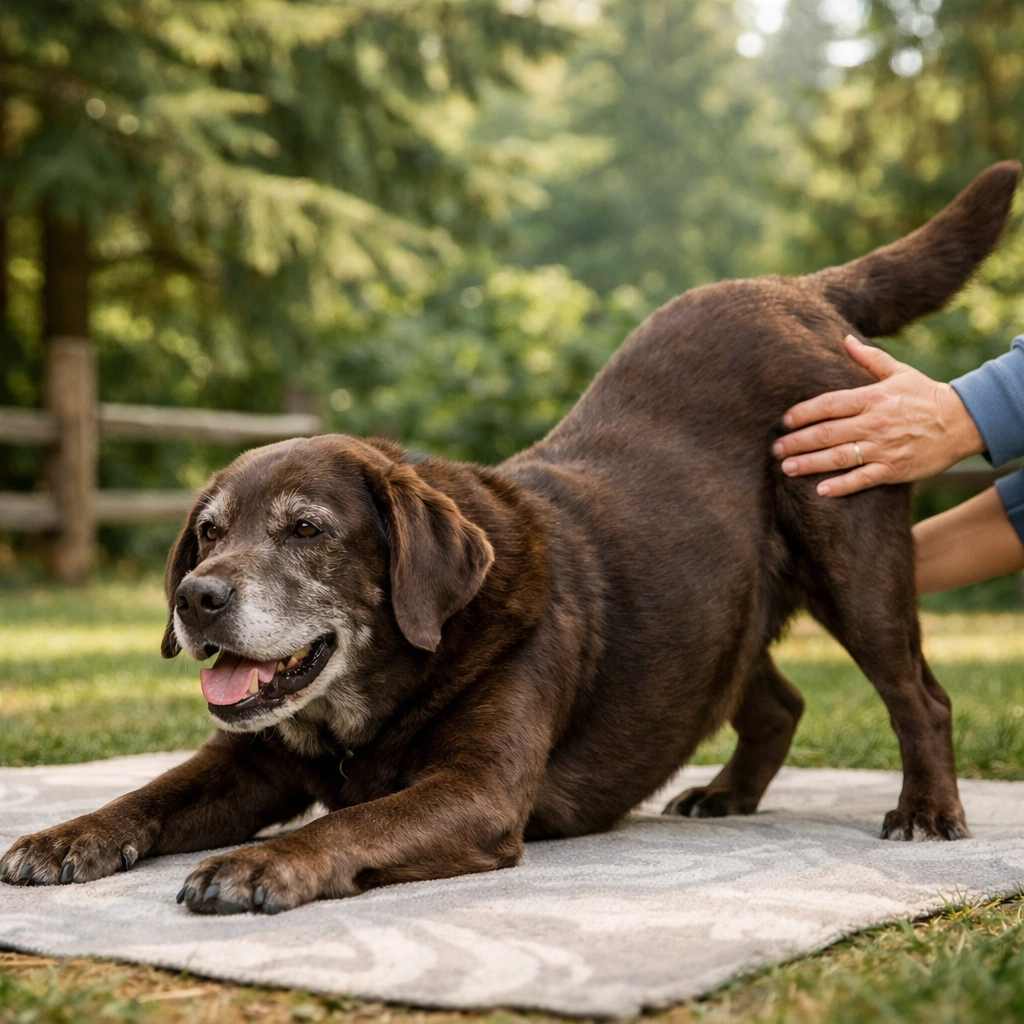
As dogs age, they lose "proprioception", their awareness of where their body is in space. This leads to slips, falls, and injuries. By integrating just five minutes of "doggy yoga" or balance work into your evening routine, you’re helping maintain their neurological pathways.
Science-backed movement: Passive range of motion (PROM) exercises have been shown to increase joint flexibility and reduce pain in senior dogs. Even just gently cycling your dog’s back legs while you’re hanging out on the rug watching a movie can make a world of difference.
3. Mental Health and the Power of "Decompression"
One thing Portland pet owners do exceptionally well is recognizing dog stress. Our lives are busy, and our dogs feel that energy. Holistic care isn't just about movement; it’s about stillness.
In Boring, we have the space to let dogs be dogs. We believe that "sniffaris", walks where the dog leads with their nose and you don't rush them, are vital for mental health. When a dog sniffs, their heart rate lowers. It’s a natural sedative. This is a core part of our philosophy during our daycare sessions.

Checking in on our friends during a beautiful Oregon afternoon.
4. Therapeutic Touch and Connection
Portland clinics often offer acupuncture and laser therapy to stimulate healing. While you might not have a Class IV laser at home, you do have the power of touch.
Studies published in Applied Animal Behaviour Science show that human-dog physical interaction increases oxytocin (the "love hormone") in both species and decreases cortisol (the stress hormone). A nightly massage isn't just pampering; it’s a clinical tool for health.
Home Integration Tip: The "Evening Health Scan" Every evening, while you and your K-9 pet are relaxing, perform a "health scan." Start at the nose and work your way to the tail. Feel for new lumps, bumps, or areas of heat. This daily ritual does two things:
Early Detection: You’ll notice health changes weeks before they become obvious.
Bonding: It reinforces a calm, trusting relationship between you and your dog. It’s the ultimate way to integrate holistic health into your family’s routine.
Why Socialization is Part of Holistic Care
You might wonder how socialization fits into a "holistic" routine. Well, humans are social creatures, and so are dogs. Isolation leads to cognitive decline.
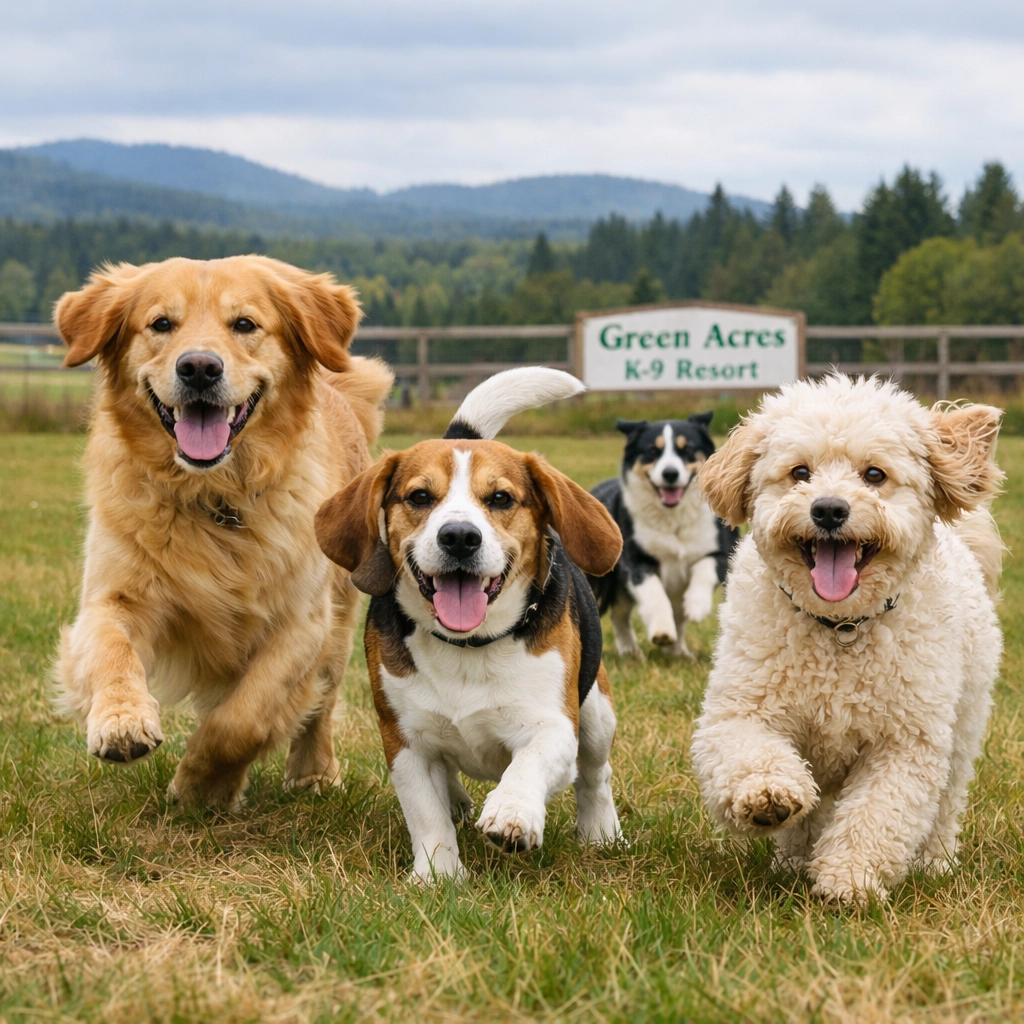
By bringing your dog to a place like Green Acres for interactive daycare, you’re providing them with the social "nutrients" they need to stay sharp and emotionally balanced. We see it every day: a dog who has regular social outlets is more relaxed at home with the kids and less likely to engage in destructive behaviors.
Putting It All Together
Integrating these Portland-style holistic practices into your Boring, Oregon, home doesn’t have to be complicated. It’s about small, consistent choices.
Morning: A high-quality meal with a fresh topper.
Afternoon: A "sniffari" walk or a trip to daycare for social stimulation.
Evening: A five-minute health scan/massage and some simple range-of-motion stretches.
We know you love your dogs as much as we love ours. Whether it’s scrubbing out water bowls to keep things hygienic or spending that extra ten minutes comforting a shy pup in our boarding facility, we’re in this with you.
If you’re ever unsure about how to start a more holistic routine, or if you want to learn more about the science of a good night's sleep for dogs, come chat with us. We’re always here to help our Boring community thrive, one paw at a time.
Stay well, and we’ll see you at the Resort!
: Mark and the Green Acres K-9 Resort Team
Bibliography & Peer-Reviewed Sources
Bravo, J. A., et al. (2011). "Ingestion of Lactobacillus strain regulates emotional behavior and central GABA receptor expression in a mouse via the vagus nerve." Proceedings of the National Academy of Sciences. (Basis for the gut-brain axis in mammals).
Milgram, N. W., et al. (2005). "Learning ability in aged beagle dogs is preserved by dietary fortification with antioxidants and mitochondrial cofactors." Neurobiology of Aging.
Wells, D. L. (2004). "A review of environmental enrichment for Kennelled Dogs, Canis familiaris." Applied Animal Behaviour Science.
Hand, M. S., et al. (2010).Small Animal Clinical Nutrition, 5th Edition. Mark Morris Institute.
Beetz, A., et al. (2012). "Psychosocial and Psychophysiological Effects of Human-Animal Interactions: The Role of Oxytocin." Frontiers in Psychology.
Zink, C., & Van Dyke, J. B. (2018).Canine Sports Medicine and Rehabilitation. Wiley-Blackwell. (Focus on proprioception and PROM exercises).
Comments