
Is Your Dog's Daily Routine Harming Their Health? Here's the Truth from Daycare Experts
- Green Acres K-9 Resort
- Feb 5
- 6 min read

We hear it all the time at our Boring, Oregon facility: "Is my dog getting bored with the same schedule every day?" or "Should I be mixing things up more to keep them interested?" It's a fair question, especially when you're trying to do right by your four-legged family member.
Here's the truth we've learned after years of caring for dogs: A consistent daily routine isn't harming your dog's health, it's one of the best things you can do for them. Let us walk you through the science that backs this up, and why we structure our daycare program the way we do.
The Science Behind Why Dogs Thrive on Routine
Your dog's brain is wired differently than yours. While we humans often crave variety and spontaneity, dogs find comfort and security in predictability. Research consistently shows that established routines support both physical and mental wellbeing in our canine companions.
When dogs know what to expect and when to expect it, their stress hormones decrease. They're not constantly wondering when they'll eat next, whether they'll get outside in time, or if playtime is coming. This predictability creates a sense of safety that's fundamental to their psychological health.

We see this every single day at Green Acres. The dogs who attend regularly settle into our routine quickly, they know when it's playtime, when it's rest time, and when their people are coming back. That confidence transforms anxious pups into relaxed, happy dogs.
Physical Health Benefits of a Structured Day
Let's talk about what happens in your dog's body when they have a consistent routine. Regular feeding schedules aren't just convenient for you, they're crucial for your dog's digestive health and metabolism. When meals come at the same times each day, your dog's body can properly regulate digestion, nutrient absorption, and energy use throughout the day.
This consistency also helps prevent one of the biggest health threats facing dogs today: obesity. Dogs who eat at random times or have constant access to food are more likely to overeat. Obesity in dogs isn't just about weight, it increases their risk for arthritis, diabetes, heart disease, and a shorter lifespan overall.
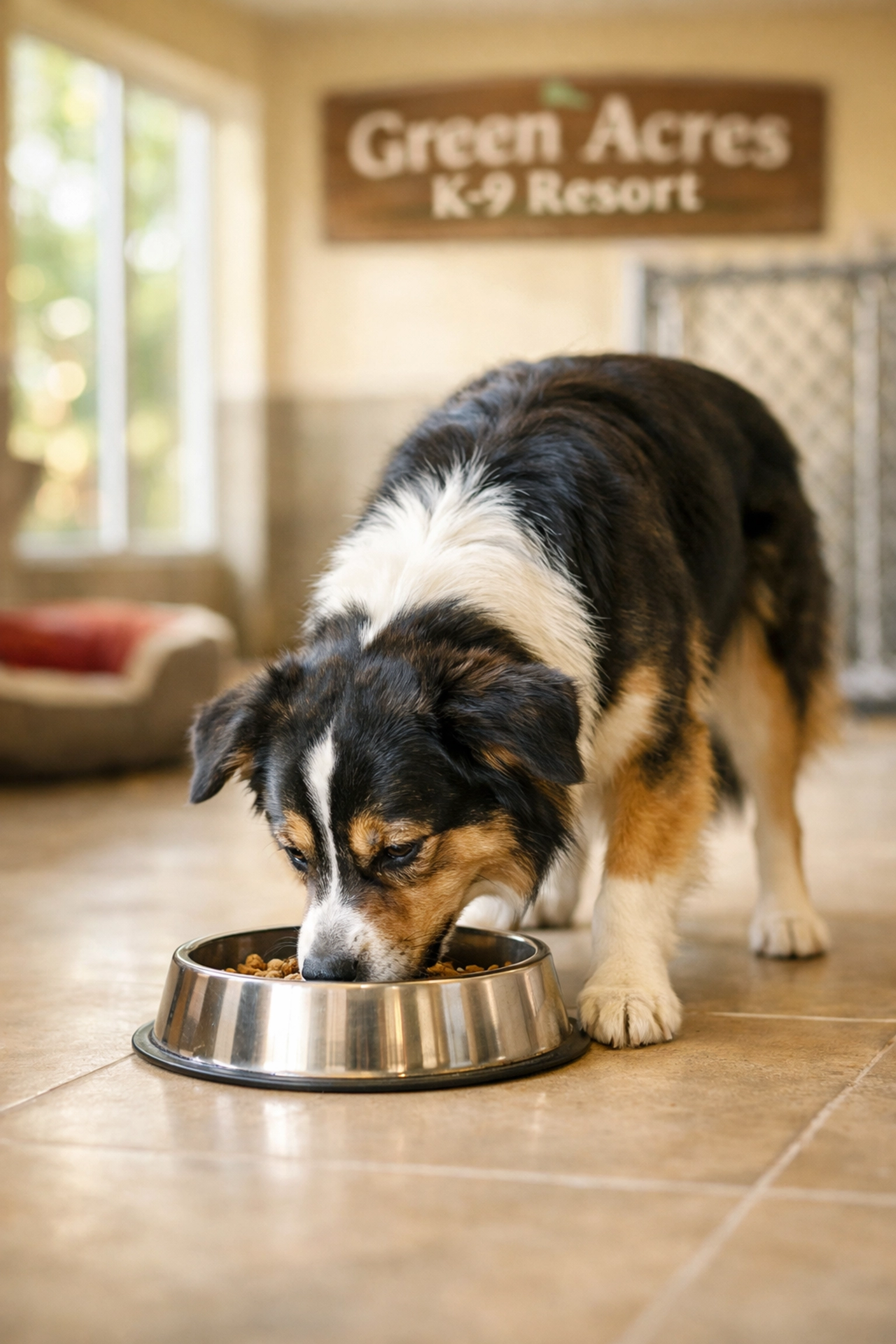
Consistent exercise patterns matter just as much. When your dog gets physical activity at regular intervals, their body adapts. Their cardiovascular system strengthens, their joints stay mobile, and their muscles maintain healthy tone. Most adult dogs need at least 30 minutes of aerobic activity daily, though some high-energy breeds might need up to two hours.
At our facility, we've structured our play sessions to give dogs this consistent physical outlet. We're out there with them, yes, even in Oregon's rain, because we believe that daily exercise isn't optional, it's essential.
The Mental Health Connection
Here's where things get really interesting. While physical health benefits are important, the mental health advantages of routine might be even more significant.
Dogs experiencing anxiety, destructive behavior, or excessive barking often improve dramatically when their owners implement a consistent daily schedule. Why? Because anxiety in dogs frequently stems from uncertainty. When your dog doesn't know when you're coming home, when they'll eat, or whether they'll get outside in time, their stress levels spike.

We've watched countless dogs transform when they join our daycare program. Dogs who were anxious at home become confident players. Dogs who destroyed furniture out of stress learn to settle calmly during rest periods. The routine itself becomes therapeutic.
Research backs this up. Studies show that dogs with predictable daily schedules display fewer anxiety-related behaviors and better overall emotional regulation. They sleep better, react less to triggers, and generally seem happier.
What Does a Healthy Daily Routine Actually Look Like?
Based on current veterinary science and our hands-on experience with hundreds of dogs, here's what we recommend:
Regular Feeding Times: Most adult dogs thrive on two meals per day, spaced about 8-12 hours apart. Puppies and some senior dogs may need more frequent smaller meals. The key is consistency, feed at the same times every day.
Adequate Bathroom Breaks: Adult dogs typically need at least 3-4 bathroom breaks daily. Puppies need more frequent opportunities. Holding it too long can lead to urinary tract infections and other health issues.
Daily Exercise: This isn't negotiable. Every dog needs movement, though the amount varies by age, breed, and health status. A young Border Collie needs more than a senior Pug, but both need daily activity.
Mental Stimulation: This is where many well-meaning owners fall short. Physical exercise alone isn't enough. Dogs need puzzle-solving, training sessions, nose work, or other activities that engage their brains.
Quality Time with Their People: Your dog is a social animal. They need interaction, affection, and connection with you. This can happen during walks, training, play, or just hanging out together.
Consistent Sleep Schedule: Yes, dogs benefit from going to bed and waking up around the same times. It regulates their circadian rhythm just like it does for humans.
How Professional Daycare Supports Healthy Routines
We designed our program around these principles because we've seen what works. When dogs arrive at Green Acres, they're stepping into a structured environment that supports their natural needs.

Morning arrivals mean playtime, we're supervising social interactions that provide both physical exercise and mental engagement. Midday includes rest periods because we know that even the most energetic dog needs downtime. Afternoon sessions offer more activity before pickup.
This structure doesn't just benefit dogs while they're here. It actually supports the routine you're maintaining at home. Dogs who attend daycare regularly often sleep better at night, display calmer behavior at home, and integrate more smoothly into family life.
We're personally involved in every aspect of this routine. We're the ones monitoring play groups, ensuring every dog gets appropriate exercise, and yes, cleaning up after accidents when routine gets disrupted. We do this because we believe your dog deserves this level of care.
The Boring, Oregon Advantage
Living in Boring gives us something special: space. Our outdoor play areas let dogs engage in natural behaviors. They can run, explore, sniff, and socialize in ways that apartment-bound city dogs rarely experience. This access to outdoor space makes maintaining a healthy routine easier and more enriching.
The dogs we care for come from all over the Portland metro area, but there's something about the Boring location that works. Maybe it's the quieter environment, maybe it's the space to roam, or maybe it's just that we've built a program that truly puts dogs' needs first.
Home Integration Tip: The Power of the "Anchor Schedule"
Here's a practical tip you can implement immediately at home: Create what we call an "anchor schedule" for your dog.
Choose three non-negotiable times each day that will remain consistent no matter what: morning wake-up, dinner time, and bedtime. These become your anchors. Even if everything else in your day gets chaotic, these three times stay the same.
Start tomorrow. Wake up at the same time and immediately take your dog out. Feed dinner at exactly the same time each evening. Begin the bedtime routine (which might include a final bathroom break, some calm interaction, and settling into their sleeping spot) at the same time every night.
Within a week, you'll notice your dog anticipating these anchors. Within two weeks, their overall anxiety will likely decrease. Within a month, you'll have built a foundation of security that benefits both of you.
You can build everything else around these anchors: varying your walk routes for mental stimulation, introducing new toys or training exercises, or adjusting exercise intensity based on weather. The anchors stay fixed; the details can flex.
The Bottom Line
Your dog's daily routine isn't harming their health: inconsistency is what creates problems. The science is clear: dogs with predictable schedules are healthier, calmer, and happier than dogs living in chaos.
We've built our entire daycare program around this understanding. We strive to give every dog who comes through our doors the structure they need to thrive, combined with the enrichment that keeps life interesting. It's not glamorous work, but it's deeply rewarding when we see anxious dogs transform into confident, joyful companions.
If you're in the Boring area and wondering whether your dog might benefit from the structured socialization and routine we offer, we'd love to talk with you. We're always happy to show you around, introduce you to our team, and discuss how we can support your dog's health and happiness.
Your dog isn't bored by routine: they're comforted by it. And that comfort is the foundation for everything else good in their life.
Bibliography & Scientific Sources
Comments