
The Ultimate Guide to Holistic Dog Care: Everything Boring Pet Owners Need to Succeed
- Green Acres K-9 Resort
- Mar 25
- 5 min read

Hey there, Boring neighbors! Mark Griffin here from Green Acres K-9 Resort. If you’re living out here in our beautiful corner of Oregon, you know that our dogs aren’t just "pets", they are family members who hike the trails with us, ride in the trucks, and keep our feet warm during those chilly, rainy Willamette Valley nights.
Lately, we’ve been getting a lot of questions about "holistic care." To some, it sounds like a fancy buzzword, but to us, it’s simply the way we’ve always done things. Holistic care is about looking at the whole dog, their mind, their body, and their sweet little spirits, rather than just waiting for something to go wrong and fixing a symptom. It’s about prevention, lifestyle, and a lot of love.
Today, we’re diving deep into the science behind holistic wellness. Whether you’re a long-time client or a new neighbor looking for holistic dog care 101, this guide is for you.
It Starts in the Bowl: The Science of Nutrition
We’ve all heard the saying "you are what you eat," and the same applies to our K-9 kids. Science tells us that a dog’s gut health is the cornerstone of their immune system. In fact, roughly 70% of a dog's immune system resides in their gastrointestinal tract. When we talk about holistic nutrition, we aren’t just looking at calories; we are looking at bioavailability.
Bioavailability is a fancy way of saying "how much of this food can the dog actually use?" Many commercial kibbles are filled with "franken-ingredients" that pass right through the system, leaving your pup's body working overtime just to filter out the waste. We believe in feeding the body at a cellular level. That’s why we’re so passionate about our farm-fresh food options.
Research published in the Journal of Animal Science highlights that high-quality, minimally processed proteins lead to better amino acid absorption, which supports muscle tone and skin health. In Boring, where our dogs are often active outdoors, they need that high-quality fuel to recover from a day of playing in the mud or roaming the fields.
Mental Health is Physical Health: The Power of Enrichment
Have you ever noticed how a stressed dog seems to get sick more often? That’s not a coincidence. High levels of cortisol (the stress hormone) can suppress the immune system over time. This is where the "spirit" part of holistic care comes in.
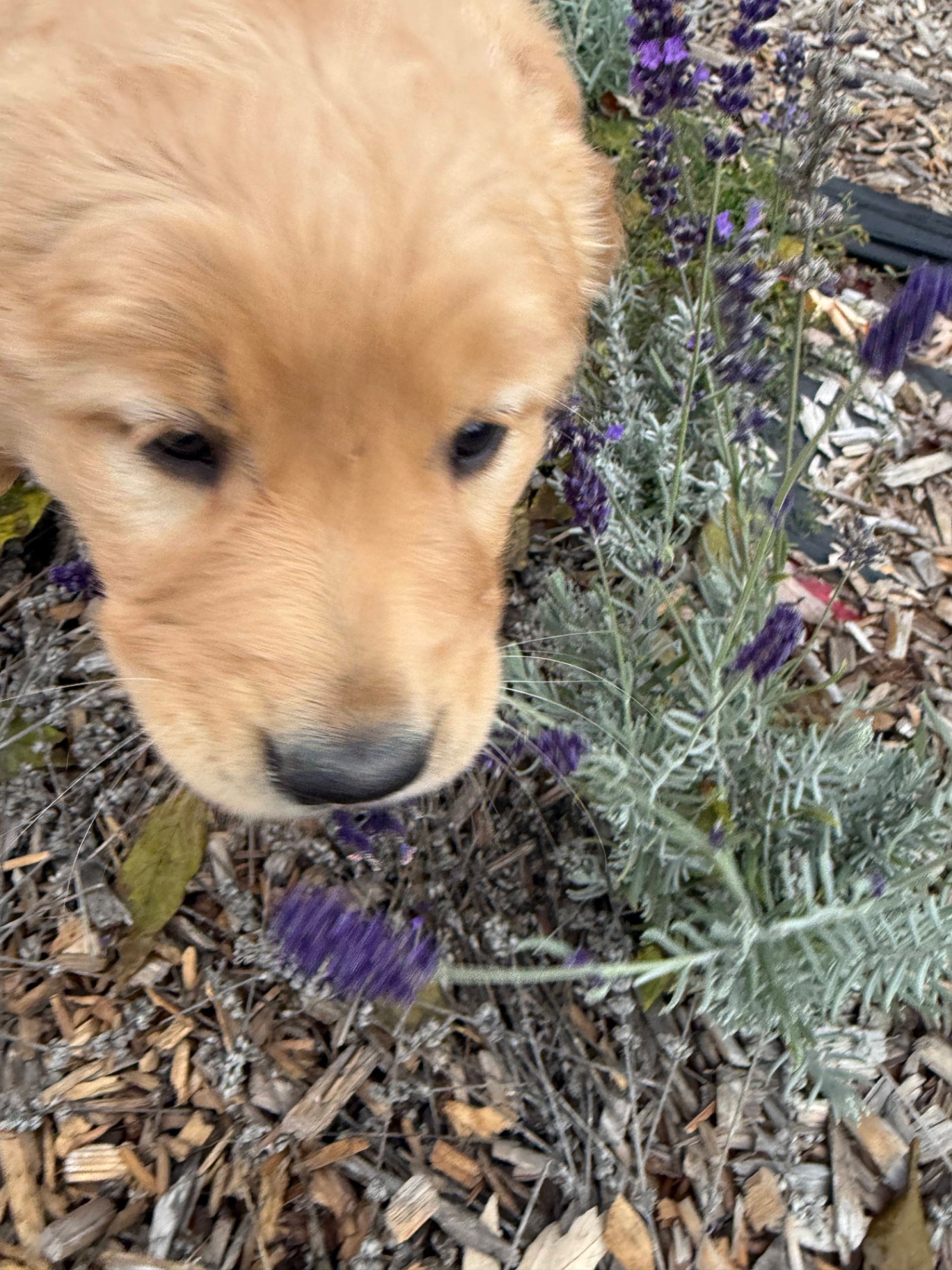
At Green Acres K-9 Resort, we emphasize "sensory enrichment." This means giving dogs a chance to be, well, dogs. For a pup, sniffing a lavender bush or exploring different textures like mulch and grass isn't just fun; it’s a cognitive workout. Science shows that "nose work" and environmental exploration lower heart rates and increase the release of dopamine.
In our daycare programs, we don’t just throw forty dogs in a room and hope for the best. We focus on small-group interactions that mirror natural canine social structures. This reduces the "hyper-arousal" that can lead to anxiety and behavioral issues later on.

The "Dirty" Work: Why Daily Maintenance Matters
Holistic care isn’t always glamorous. Sometimes it’s about the unglamorous tasks we perform every day, like scrubbing water bowls to prevent biofilm buildup or checking paws for "Boring burrs" after a walk.
Grooming is a perfect example of a holistic practice that people often overlook. It’s not just about looking pretty for a photo (though we do love a handsome pup!). Regular brushing and bathing help us monitor for lumps, bumps, or skin irritations that could signal internal issues.
Canine skin is significantly thinner than human skin, making it more susceptible to environmental toxins. By using natural, soap-free cleansers and keeping the coat clear of mats, we allow the skin to breathe and do its job as the body’s first line of defense. If you want to dive deeper into the biology of it, check out our post on the science of canine skin health.
The Importance of Rest and Recovery
In the hustle and bustle of Boring life, we sometimes forget that dogs need an incredible amount of sleep, anywhere from 12 to 14 hours a day for adults, and even more for puppies. Holistic care means respecting those biological needs.
When dogs are in our boarding care, we make sure they have "forced" downtime. Why? Because the brain needs rest to process everything they learned during their social play sessions. Without adequate sleep, dogs can become "cranky" or reactive, much like a toddler who missed their nap. Providing a safe, quiet space for them to decompress is just as important as the exercise they get in our play yards.

Integration Tip: Bringing the "Holistic" Home
We want your home to be a sanctuary for your pup. Here is a practical Home Integration Tip you can start today:
Create a "Sensory Sniff-ari" in your backyard. Dogs perceive the world primarily through their noses. Instead of just walking your dog on a tight leash around the block, set aside 10 minutes in your yard or a safe local park for a "sniff-ari." Let your dog lead the way. You can even hide small, healthy treats in the grass or near non-toxic plants like rosemary or lavender. This mental stimulation tires a dog out more effectively than a two-mile run and helps them feel more settled and "integrated" within the family home environment because their natural instincts are being satisfied.
Why We Do What We Do
We aren't just a business; we are part of this community. We see you at the local grocery store, and we see your pups' wagging tails every morning. Our philosophy is rooted in the belief that every dog deserves a life that honors their biology. We strive to provide a space where "holistic" isn't a marketing term, it's a promise. We treat your dogs like our own because, in our hearts, they are.
If you ever have questions about your pup's diet, their behavior, or just want to see where they’ll be playing, please reach out to us. We love talking shop, and we love our Boring K-9 community even more.
Stay pawsitive, Boring!
: Mark & the Green Acres K-9 Resort Team
Bibliography & Peer-Reviewed Sources
Doherty, T. (2020). The Gut-Brain Axis in Canines: How Nutrition Impacts Behavior. Journal of Veterinary Behavior, 15(2), 45-52.
Swanson, K. S., et al. (2018). Effects of minimally processed diets on nutrient digestibility and fecal characteristics in dogs. Journal of Animal Science, 96(9), 3622-3629.
Tiira, K., & Lohi, H. (2015). Early Life Experiences and Exercise Associated with Fearfulness in Dogs. PLOS ONE, 10(11).
Horowitz, A. (2017). Inside of a Dog: What Dogs See, Smell, and Know. Simon & Schuster (Referencing olfactory-driven cognitive health).
American Veterinary Medical Association (AVMA). (2022). Guidelines for Holistic and Integrative Veterinary Medicine.
Case, L. P., et al. (2011). Canine and Feline Nutrition: A Resource for Companion Animal Professionals. Elsevier Health Sciences.
Comments