
The Ultimate Guide to Dog Socialization: Everything Your Boring Dog Needs to Succeed
- Green Acres K-9 Resort
- Mar 26
- 5 min read

Hey there, Boring neighbors! Mark Griffin here from Green Acres K-9 Resort. If you’re living out here in our beautiful corner of Oregon, you know that life with a dog is just better. Whether we’re hiking near Barton Park or just enjoying the quiet of our own backyards, our pups are our family. But have you ever noticed your dog getting a bit stiff when a neighbor walks by with an umbrella? Or maybe they get a little too "vocal" when they see another dog at the local coffee shop?
That’s where socialization comes in. Around here at Green Acres, we don’t just see socialization as "playing with other dogs." We see it as the foundation of a happy, confident, and stress-free life for your K-9 companion. We’re personally invested in making sure every pup that walks through our gates feels safe and secure in the world.
In this guide, we’re going to dive deep into the science of socialization, how to do it right, and why it’s never too late to start, even if your "Boring" dog is a seasoned senior.
What is Socialization, Really?
Most people think socialization is just a trip to the dog park. While that can be a part of it, true socialization is the process of helping your dog become comfortable and confident with different people, places, sounds, experiences, and other animals. It’s about teaching them that the world isn’t a scary place.
Scientifically speaking, socialization is about neural pathways. When a puppy is exposed to new things in a positive way, their brain creates "safe" associations. According to the landmark research by Scott and Fuller (1965), there is a "critical period" for this between 3 and 14 weeks of age. During this time, pups are like little sponges, soaking up every experience.
But don’t worry if you’ve adopted an older rescue from Portland or your pup is past that window. While the "critical period" is real, dogs are lifelong learners. We believe, and science supports, that through patient, positive reinforcement, even older dogs can learn to navigate the world with more ease.
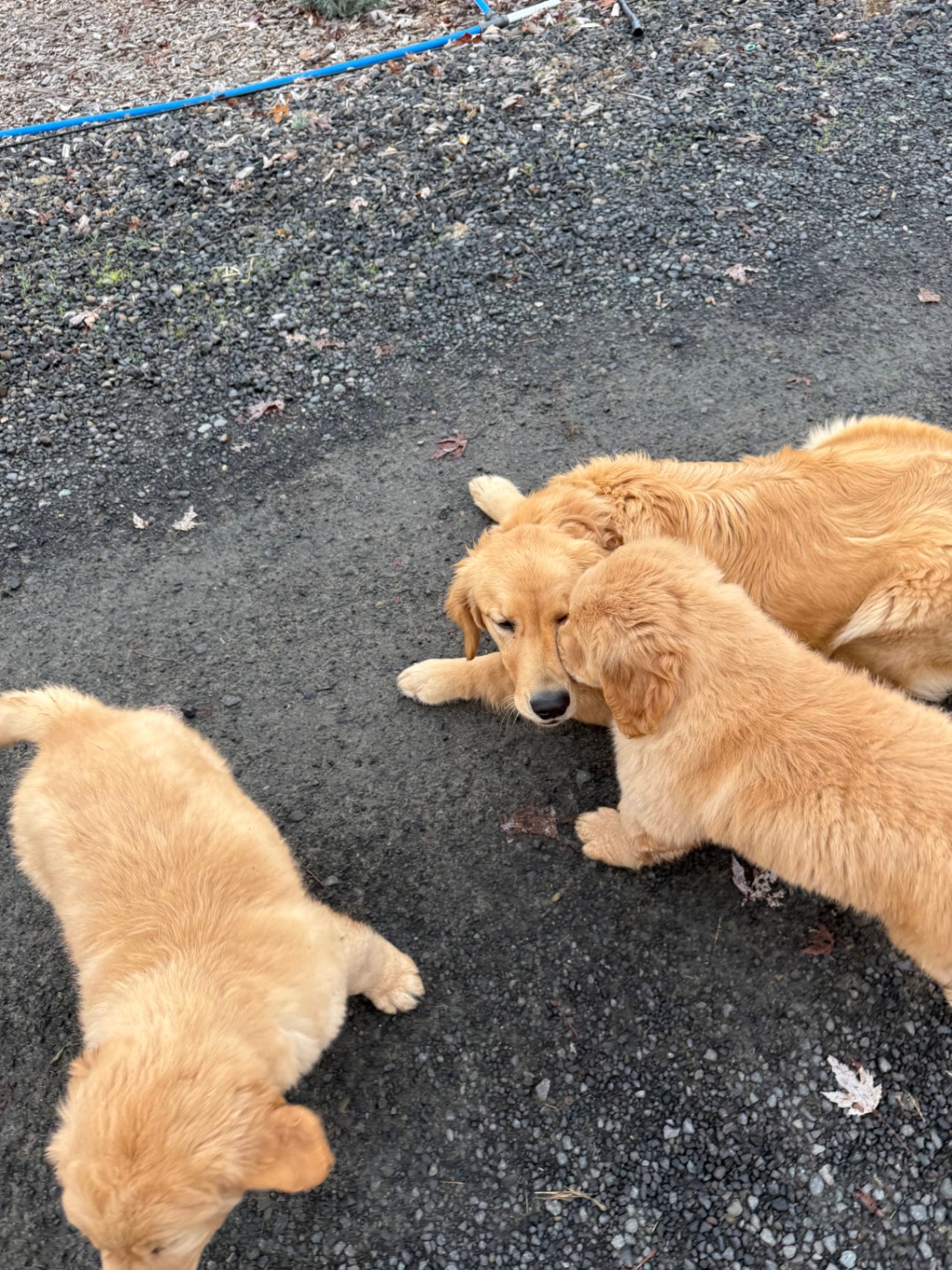
The Science of a Confident Pup
Why do we care so much about this? Because a well-socialized dog is a healthier dog. Studies have shown that dogs who lack social exposure often have higher baseline levels of cortisol, the stress hormone. High cortisol over a long period can lead to a weakened immune system and behavioral issues like anxiety or aggression.
When we facilitate play here at the resort, we’re looking for specific markers of healthy interaction. We watch for "meta-signals", like the play bow or a relaxed, open mouth, which tell other dogs, "Everything I’m doing right now is just for fun!" This is part of the science of play that we talk about so often. We strive to create an environment where these signals are respected and encouraged.
More Than Just Other Dogs: The Socialization Checklist
Socialization isn't just about four-legged friends. It’s about the whole world. For our Boring, Oregon residents, this might include:
Diverse People: People in hats, people with umbrellas, children running, and folks using walkers or canes.
Sounds: The roar of a tractor, the hiss of air brakes, or even the sound of a vacuum cleaner at home.
Surfaces: Walking on gravel, artificial turf, wet grass, or shiny tile floors.
Environments: Visiting a pet-friendly store in Gresham or sitting quietly at a park in Boring.
We personally spend hours each day ensuring our play yards, from the soft grass to the clean gravel areas, provide different sensory experiences for the dogs. We believe that a varied environment is key to a balanced mind.
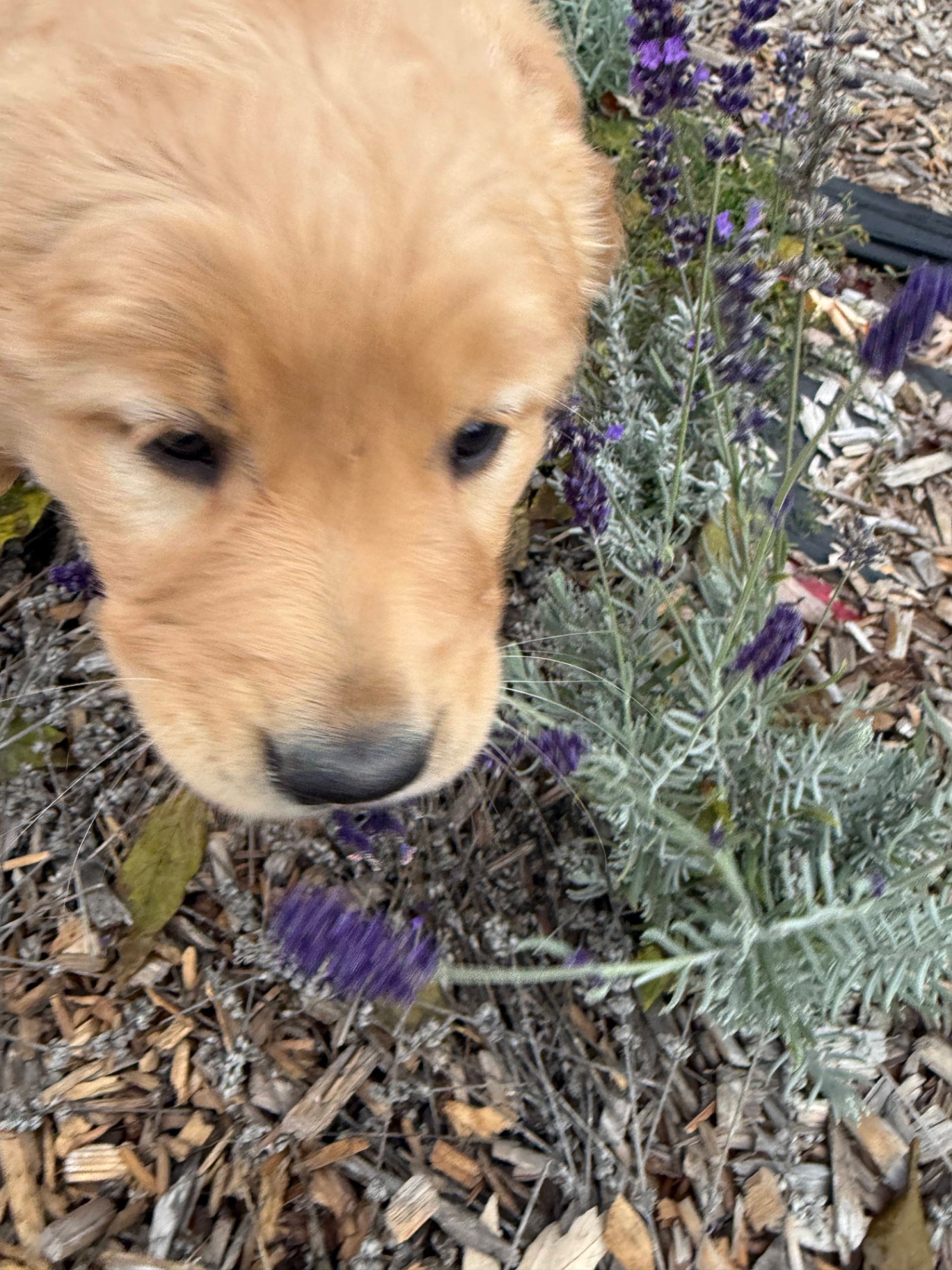
How to Socialize the "Green Acres Way"
Whether you are working with a puppy or an adult dog, the principles remain the same. We follow a "holistic" approach, which you can read more about in our Boring resident's guide to holistic care.
1. Controlled Exposure
Never throw your dog into the deep end. If your dog is nervous around other dogs, don't head straight to a crowded dog park. Instead, try a supervised daycare environment like ours, where we carefully match dogs by size, temperament, and play style. We take the unglamorous but vital job of monitoring every interaction very seriously to ensure no one gets overwhelmed.
2. Positive Reinforcement
Every time your dog encounters something new and remains calm, reward them! High-value treats, praise, or a favorite toy can help create that positive association. We want them to think, "Oh, that big truck? That means I get a cookie!"
3. Observe Body Language
This is the most important part of our job as "Helpers" here at Green Acres. We look for the "cut-off" signals:
Lip licking
Yawning (when not tired)
Tucked tail
Whale eye (seeing the whites of their eyes)
If you see these signs at home or out on a walk, it’s time to give your dog some space. We always say: "Listen to what your dog is saying without using words."
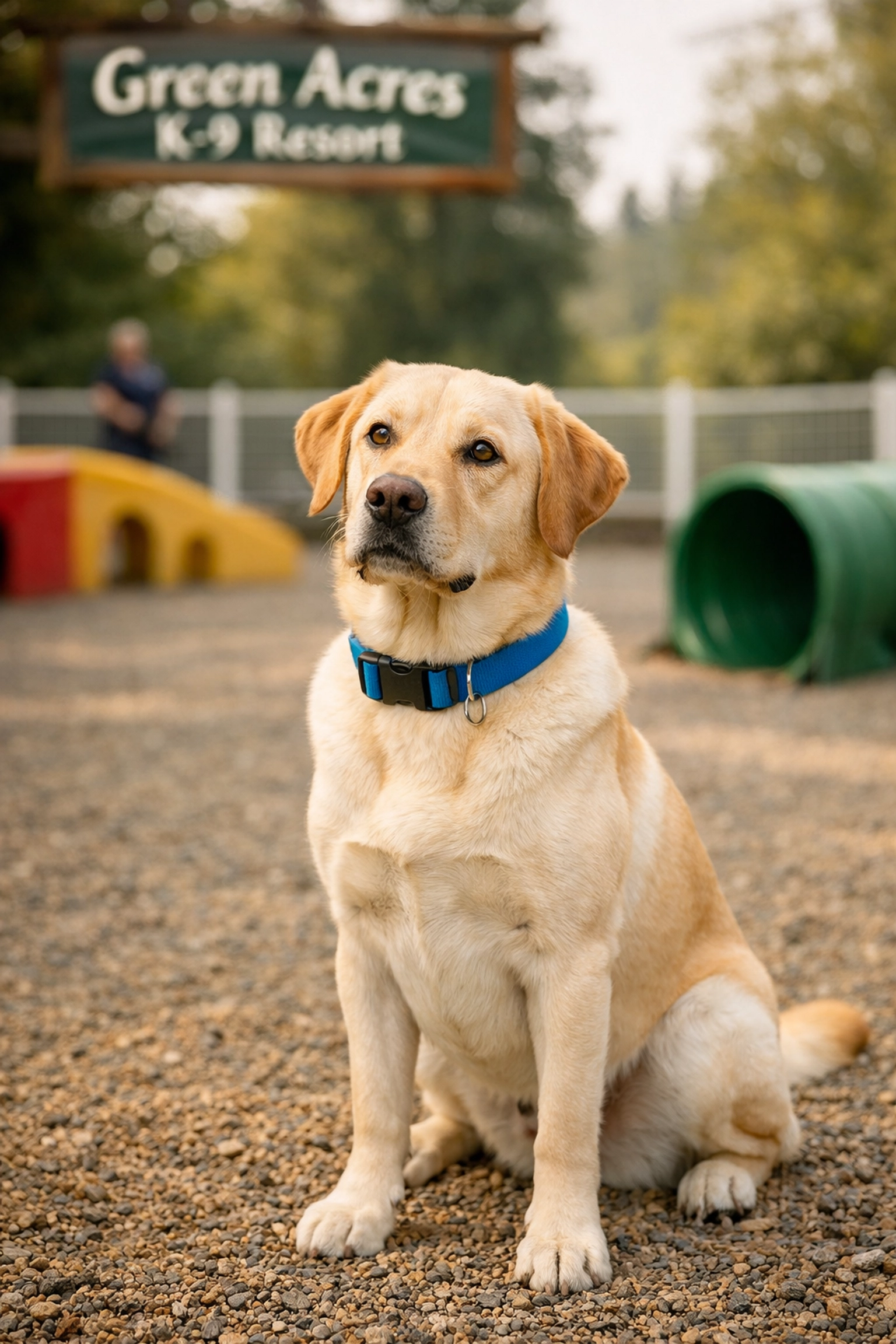
Socializing the Senior or Rescue Dog
Many of our clients in the Portland and Boring area have heart-warming stories of adopting older dogs. You might think, "Well, they are set in their ways." We’ve found that’s rarely the case. While it takes more time and a gentler touch, senior dogs can absolutely improve their social skills.
For older pups, we focus on "quality over quantity." Short, successful outings are better than one long, stressful one. If you’re looking for more tips on this, check out our guide on safe socialization for Gresham dog owners.
Why Group Play at Green Acres is Different
We know you have choices when it comes to dog care. But we treat your pets like they’re part of our own family: because to us, they are. We’re out there in the yards, rain or shine, making sure the play is balanced. We handle the "scooping," the "shushing," and the "snuggling" ourselves.
Our facility is designed with socialization in mind. From the interactive daycare setups to our holistic boarding solutions, we prioritize the emotional well-being of your pet. We believe that a social dog is a happy dog, and a happy dog makes for a happy home.
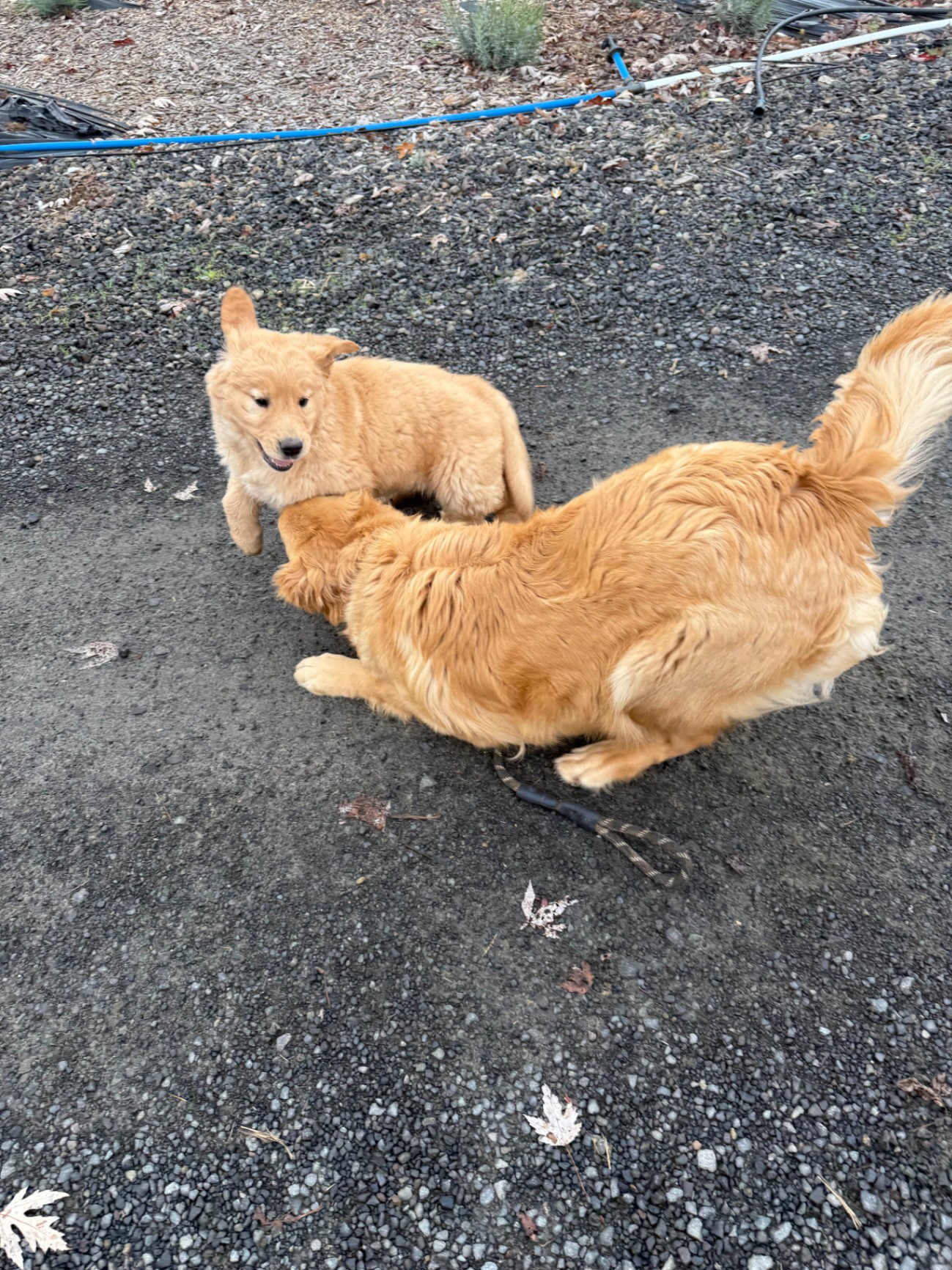
Home Integration Tip: The "Guest Greeting" Protocol
To help your dog integrate better with your family and visitors at home, try the "Touch and Treat" method when someone new walks through the door.
Instead of letting your dog jump or bark, have your guest stand still. Give your dog a command they know well (like "Sit" or "Touch"). Once they focus on you and perform the command, you (not the guest) give them a treat. This teaches your dog that guests are a cue to look to you for direction, rather than a reason to get over-excited. It creates a calm atmosphere that makes everyone: human and K-9: feel much more at ease.
Final Thoughts
Socialization isn't a task to check off a list; it's a journey you take with your best friend. It builds a bond of trust that lasts a lifetime. We are here to support you every step of the way, whether it's through our daycare, boarding, or just a friendly chat when you drop by.
If you’re ever feeling overwhelmed or just want to see how your pup does in a social setting, come see us at Green Acres K-9 Resort. We’d love to welcome your "Boring" dog into our family.
Bibliography & Peer-Reviewed Sources
Scott, J.P., & Fuller, J.L. (1965).Genetics and the Social Behavior of the Dog. University of Chicago Press. (The foundational study on the critical periods of puppy development).
Howell, T. J., King, T., & Bennett, P. C. (2015). "Puppy parties and beyond: the role of early age socialization and training in adult dog behavior." Veterinary Medicine: Research and Reports.
Dietz, L., Arnold, A. K., Johnston-Seas, K., & Wynne, C. D. L. (2018). "The importance of early life experience for the development of behavioural disorders in domestic dogs." Behavioural Processes.
Serpell, J. A. (2017).The Domestic Dog: Its Evolution, Behaviour and Interactions with People. Cambridge University Press.
Reisner, I. R. (2003). "Differential diagnosis and management of human-directed aggression in dogs." Veterinary Clinics: Small Animal Practice.
Comments