
7 Mistakes You’re Making with Anxious Dogs (and How Holistic Dog Boarding in Portland Fixes Them)
- Green Acres K-9 Resort
- Mar 25
- 5 min read

At Green Acres K-9 Resort, we live and breathe the "farm life" right here in Boring, Oregon. Every morning, when we’re out checking the fences or prepping the play yards, we see the different personalities that come through our gates. Some pups are ready to conquer the world, but many: more than you might think: are carrying a heavy load of anxiety. As a "Helper" here, I spend my days ensuring our guests feel safe, and I’ve seen firsthand how the right environment can transform a nervous wreck into a confident companion.
Living with an anxious dog is a labor of love. It requires patience, thick skin, and a lot of deep breathing. However, even the most well-meaning pet parents often fall into "anxiety traps" that unintentionally make their dog’s stress worse. We believe that every dog deserves a calm mind, and today, we’re diving into the science of why some common approaches fail and how our approach to holistic dog boarding in Portland provides the solution your pup needs.
1. The "Flooding" Faux Pas: Over-Socializing Your Nervous Dog
One of the most common mistakes we see is the "sink or swim" approach. Pet owners often think that if they just take their fearful dog to a massive, chaotic dog park, the dog will eventually realize there’s nothing to be afraid of.
In behavioral science, this is called "flooding." According to the American Veterinary Society of Animal Behavior (AVSAB), exposing a dog to a high-intensity trigger without a way to escape can lead to sensitization: meaning the dog becomes more afraid, not less. When the amygdala (the brain's fear center) is constantly firing, the dog cannot learn.
How We Fix It: At Green Acres K-9 Resort, we practice structured, low-stress socialization. We don’t just toss your dog into a "free-for-all." Our daycare is supervised by experts who understand canine body language. We group dogs by temperament and energy level, ensuring that your sensitive pup is only interacting with calm, "neutral" companions.
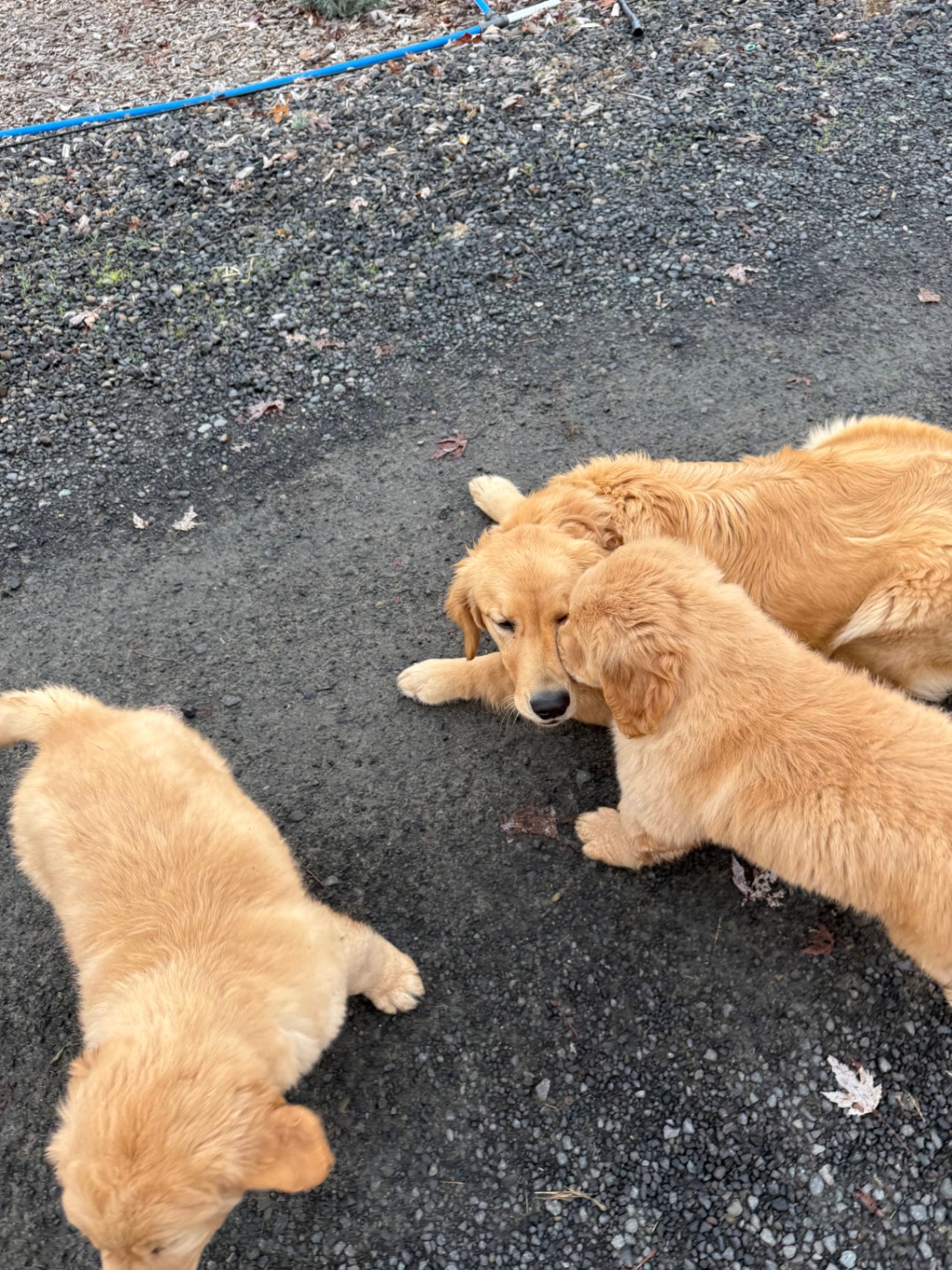
2. Correcting the Warning Signs (The "Don’t Growl" Trap)
It is a natural human reaction to scold a dog for growling. We’re embarrassed or worried about aggression. However, a growl is a vital communication tool. If you punish a growl, you aren't fixing the anxiety; you’re just removing the warning signal. Science shows that a dog who is punished for growling may skip the warning next time and go straight to a bite because they feel they have no other way to tell you they are uncomfortable.
How We Fix It: We strive to create an environment where dogs feel heard. If a dog in our care shows signs of stress, we don’t "correct" the emotion. Instead, we change the environment. We might move them to a quieter area or give them a "decompression break" in one of our cozy, private suites. We focus on positive reinforcement and building trust, ensuring your dog feels safe enough to be themselves without fear of reprisal.
3. Letting Them "Cry It Out"
There’s an old-school myth that if a dog is panicking or vocalizing due to separation anxiety, you should ignore them so you don't "reward" the behavior. Science tells a different story. Separation anxiety is a panic disorder, not a bid for attention. When a dog is in a state of true panic, their cortisol levels spike, and their ability to regulate their heart rate diminishes.
How We Fix It: We treat every guest like family: including our own kids and pets who share this space. We know that a little reassurance goes a long way. When we notice a dog is struggling, we offer immediate comfort. Whether it’s a calm hand on a shoulder or a specialized medication administration schedule as prescribed by your vet, we ensure that no dog is left to "panic it out." Our goal is to prevent the "panic cycle" from ever starting.
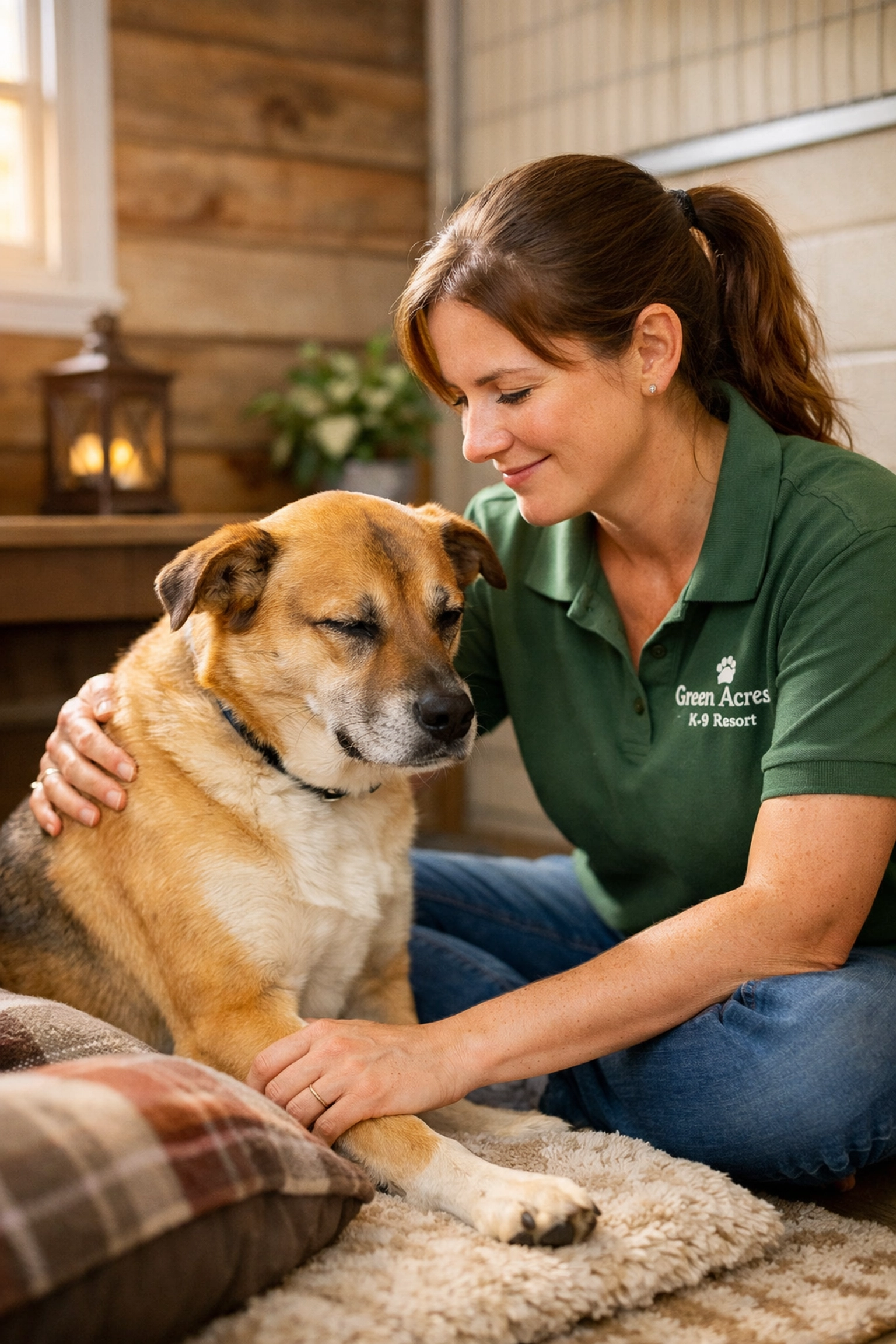
4. Training at the Wrong Threshold
Many owners try to work on their dog's anxiety when the dog is already "over threshold." If your dog is already shaking, panting, or refusing treats, they are no longer in a "learning state." Their prefrontal cortex has essentially shut down in favor of survival instincts.
How We Fix It: This is where our "Boring, Oregon" location really shines. Our facility is situated on a quiet, farm-like property that naturally keeps dogs below their stress thresholds. We don't have the constant sirens and city noise of downtown Portland. By keeping the baseline stress low, we can help dogs acclimate at a pace that works for them. We are experts at reading these subtle thresholds and adjusting our care accordingly.
5. Mistaking Physical Exhaustion for Mental Peace
A common mistake is thinking that if you just run an anxious dog until they drop, their anxiety will disappear. While exercise is vital, an overstimulated dog can actually become more reactive. High-intensity play increases adrenaline, and for a dog that is already "high-strung," more adrenaline is the last thing they need.
How We Fix It: We believe in a balance of physical activity and mental enrichment. Our holistic dog boarding includes "sniffaris," interactive puzzles, and structured play. This mental engagement helps lower heart rates and promotes the release of serotonin and dopamine, the "feel-good" chemicals that combat anxiety.
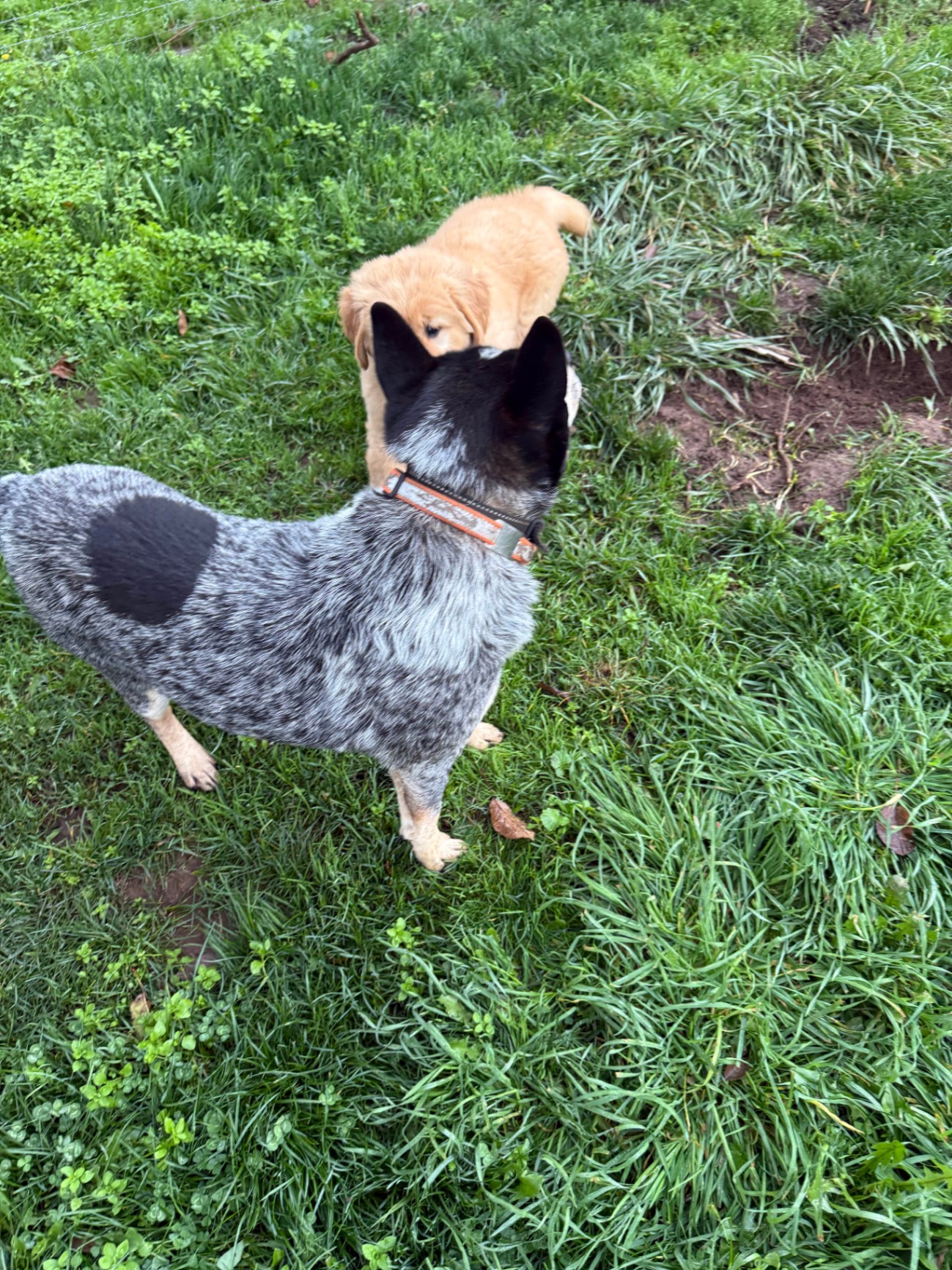
6. Ignoring the Impact of Grooming Stress
For an anxious dog, a traditional grooming salon can be a nightmare. High-velocity dryers, dozens of barking dogs, and being placed in a cage can be deeply traumatizing. Many owners skip grooming because it’s "too hard" on the dog, but poor hygiene can lead to skin infections and further discomfort.
How We Fix It: We offer holistic grooming that prioritizes the dog’s emotional state over a "perfect" haircut. We use calming techniques, take breaks when needed, and focus on skin health. We treat grooming as a spa day, not an ordeal, ensuring your nervous pup leaves looking and feeling better without the emotional fallout.
7. The "One-Size-Fits-All" Boarding Mentality
Many boarding facilities treat all dogs the same: same schedule, same food, same playgroups. But a senior dog with joint pain has very different needs than a shy puppy. An anxious dog needs a specialized approach that respects their individual quirks.
How We Fix It: We pride ourselves on our service-first philosophy. Whether it’s specialized care for senior dogs or socialization for puppies, we tailor the experience. We even offer a pet taxi service to reduce the stress of the car ride for dogs who get car-sick or anxious during travel.
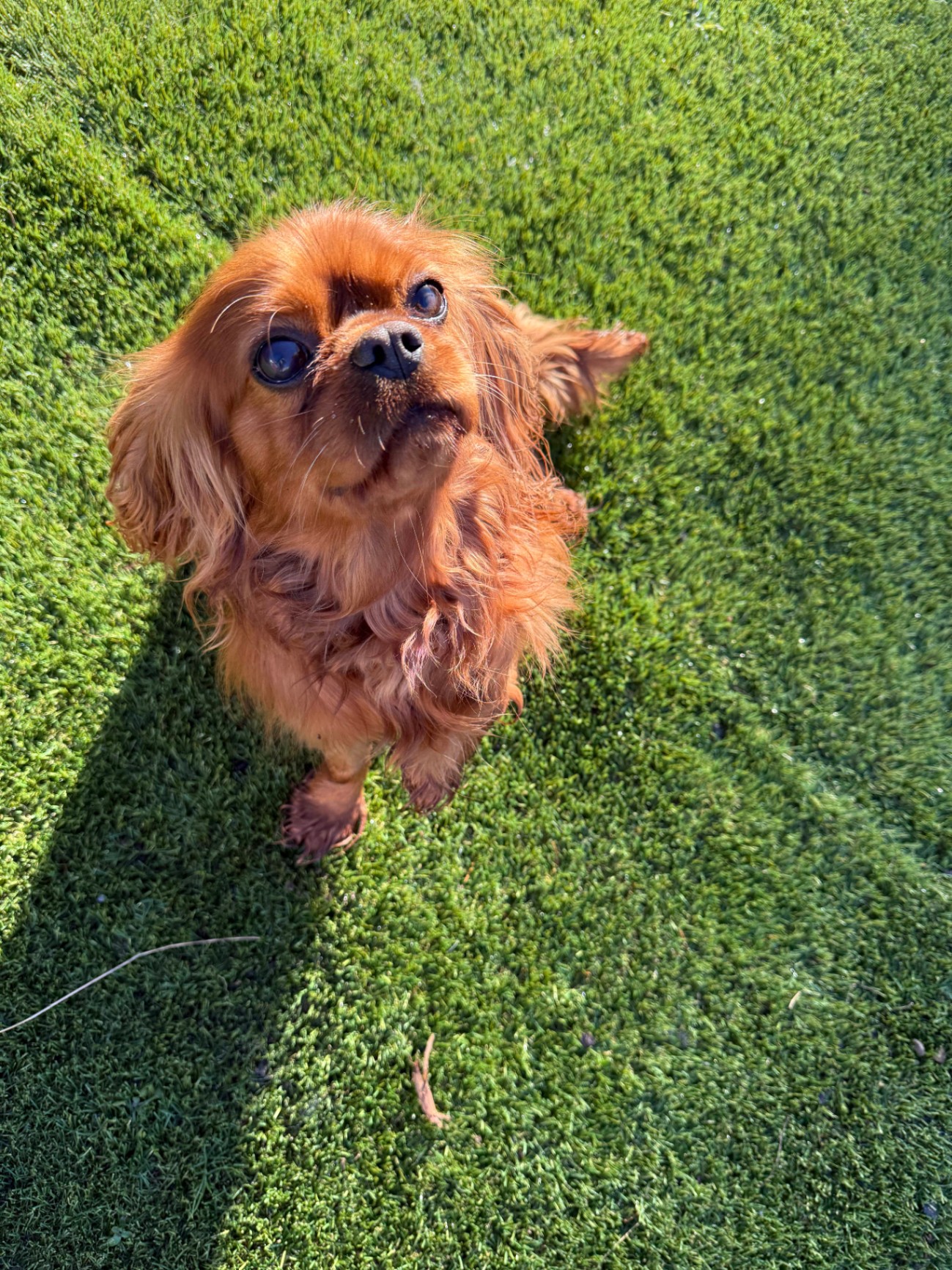
Why Science and Heart Go Hand-in-Hand at Green Acres
We believe that providing the best dog boarding in Boring, Oregon, requires both a scientific understanding of canine behavior and a big, caring heart. It’s not just about "watching" dogs; it’s about understanding the neurobiology of fear and creating an environment that actively heals.
When you trust us with your K-9 pet, you aren't just getting a kennel. You’re getting a team that understands why your dog hides during thunderstorms or why they’re wary of strangers. We’re the ones who will sit on the floor with them, hand-feed them if they're too nervous to eat, and ensure they feel the same love they get at home.
Ready to see the Green Acres difference?
If you’re looking for a partner in your dog’s wellness journey, we’d love to meet you. Whether you need daycare in Gresham or specialized boarding for your anxious senior, we are here to help.
Contact us today to schedule a tour or a trial day!Visit our Contact Page
Bibliography & Science-Based References:
American Veterinary Society of Animal Behavior (AVSAB). "Position Statement on the Use of Punishment for Behavior Modification in Animals."
Overall, K. L. (2013).Manual of Clinical Behavioral Medicine for Dogs and Cats. Elsevier Health Sciences. (Focusing on the neurobiology of anxiety).
Zulch, H., & Mills, D. (2012).Life Skills for Dogs. Veloce Publishing Ltd. (Structured socialization and threshold management).
Sapolsky, R. M. (2004).Why Zebras Don't Get Ulcers. Holt Paperbacks. (Understanding the long-term effects of cortisol and stress).
Grandjean, D. (2020). "The Science of Canine Stress and Comfort." Journal of Veterinary Behavior.
Comments