
Can Rotating Daily Care Really Help Your Dog’s Health? Find Out Here
- Green Acres K-9 Resort
- Apr 21
- 6 min read

It’s Tuesday, April 21, 2026, and here in Boring, Oregon, the spring air is finally starting to feel a bit warmer. At Green Acres K-9 Resort, our mornings usually start with the sound of happy paws hitting the grass and the gentle rustle of the wind through the trees. As we sip our coffee and look out over the play yards, we often find ourselves talking about what truly makes a dog "healthy."
Is it just a shiny coat? Is it having enough energy to chase a frisbee across our fields? While those are great signs, true health goes much deeper. Today, we want to dive into a concept we’re incredibly passionate about: Rotating Daily Care.
You might have heard of rotational feeding, but we believe that "rotation" should apply to every aspect of your dog’s life: from what they eat to how they socialize and the environments they explore. Science shows us that variety isn't just the spice of life; for our K-9 companions, it’s a cornerstone of long-term wellness.
The Science of the "Same-Old, Same-Old"
We love our routines. They make us feel safe, and dogs thrive on predictability. However, there is a biological downside to doing the exact same thing every single day. When a dog is exposed to the same protein source, the same walking path, and the same social stimuli for years on end, their systems can become stagnant.
In terms of nutrition, "nutritional stagnation" can lead to the development of food sensitivities. In terms of mental health, a lack of environmental variety can lead to cognitive decline. This is why we advocate for a holistic, rotating approach to daily care. We see it every day in our daycare programs: dogs who are challenged with new sights, smells, and flavors are more resilient, both physically and mentally.
1. Rotational Feeding: Strengthening the Gut from the Inside Out
The most scientifically backed form of rotation is in the diet. For a long time, the traditional advice was to find one "good" food and stick with it forever. However, modern veterinary science is shifting.
Why Protein Rotation Matters
When a dog eats the same chicken-based kibble for five years, their immune system is constantly "seeing" that specific protein. Over time, the immune system can become over-sensitized, misidentifying that protein as a threat. This is how many food allergies start: leading to itchy skin, chronic ear infections, and digestive upset.
By rotating proteins: perhaps beef this month, salmon the next, and turkey after that: you allow the immune system to "rest" from specific antigens.
Building a Diverse Microbiome
Your dog’s gut is home to trillions of bacteria that make up their microbiome. This microbiome is responsible for about 70-80% of their immune system. Research has shown that dietary diversity leads to a more diverse microbiome. A "diverse" gut is a "strong" gut, better equipped to fight off pathogens and reduce inflammation.
At Green Acres, we’re big fans of farm-fresh food and variety. We’ve seen firsthand how a little bit of dietary "rotation": adding fresh toppers or switching up the base: can transform a dog's energy levels.

2. Environmental Rotation: The "Sensory Garden" Effect
It’s not just about what goes into their bellies; it’s about what goes into their noses and minds! If you walk your dog down the same three blocks in Boring every single day, they eventually stop "processing" the environment. It becomes background noise.
Science tells us that "sensory enrichment" actually builds new neural pathways in a dog’s brain. When we rotate the environments our dogs spend time in, we are essentially giving their brains a workout.
At our resort, we don’t just have one big square pen. We rotate our pups through different areas: from grassy fields to our specially designed sensory gardens. We even take the time to move around the "un-glamorous" things, like where the water bowls are or which toys are available, just to keep their minds sharp.

We believe that a dog’s nose is their primary window to the world. Letting a puppy explore a lavender sprig or sniff the damp mulch after an Oregon rain shower provides more "health" than a mile-long sprint on a treadmill ever could.
3. Social Rotation: Learning the "Language" of Dogs
Just as we rotate food and environments, we also believe in rotating social dynamics. In our holistic dog boarding, we carefully manage which dogs play together.
While it’s great for a dog to have a "best friend," only ever interacting with one specific dog can limit their social "vocabulary." By rotating playmates (under professional supervision, of course!), dogs learn how to read the subtle body language of different breeds, ages, and temperaments.
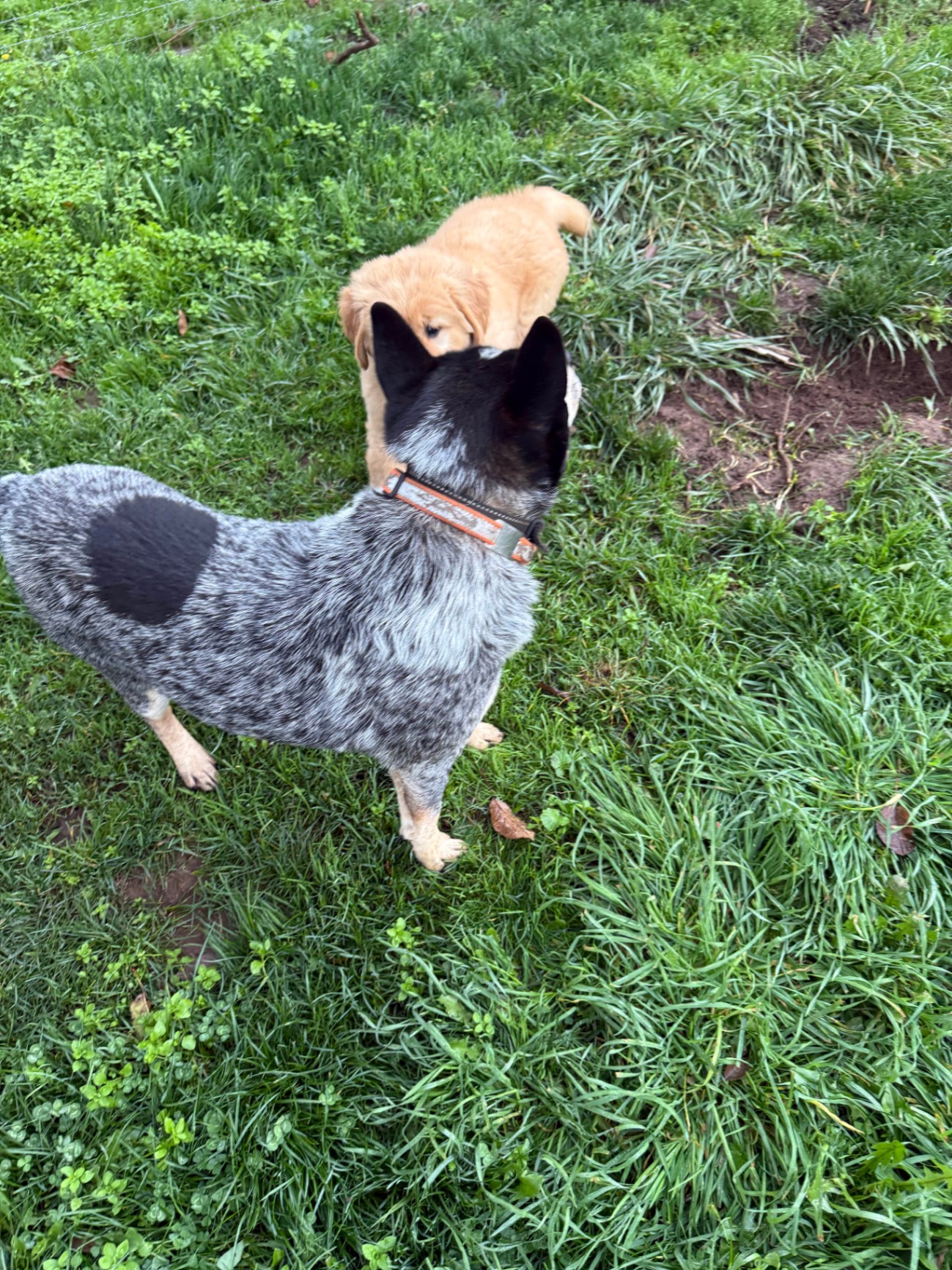
A Golden Retriever puppy learns very different lessons from an older Blue Heeler than they do from another puppy. This social variety prevents behavioral "ruts" and builds a confident, well-adjusted dog that can handle any situation: whether that’s a trip to a busy Gresham park or a quiet afternoon at home.
Why We Care So Much (The Green Acres Philosophy)
You might wonder why we spend so much time thinking about things like "microbiome diversity" or "sensory rotation." To us, this isn't just a business; it’s a calling. We live here in Boring with our own families and our own pets. We know the worry that comes when a pet starts scratching their ears or loses interest in their dinner.
We strive to treat every dog that walks through our gates as if they were our own. That means doing the hard work: cleaning the yards, meticulously tracking diet changes, and observing every social interaction: to ensure they are getting the best possible care. We believe that by integrating these scientific principles of rotation into our daily routine, we are helping your furry family members live longer, happier lives.
If you ever have questions about how we handle these rotations, feel free to check our FAQ or contact us directly! We love talking shop with fellow dog lovers.
Home Integration Tip: The "Toy Rotation" Strategy
You don't need a massive resort to implement the philosophy of rotating care at home! One of the easiest ways to improve your dog's mental health is through Toy Rotation.
The Strategy:
Collect all of your dog's toys and divide them into three separate bins.
Only leave one bin out at a time.
Every Sunday night, put away the current toys and bring out a "new" bin.
Why it works: To your dog, those toys they haven't seen in two weeks feel brand new again. This simple act provides a fresh burst of dopamine and encourages "novelty-seeking" behavior, which keeps their brain active and prevents boredom-based destruction in the house. It’s a small change that makes a big difference in how they integrate with your family's daily rhythm.
Our Commitment to Boring, Oregon Pups
We know that life in the Pacific Northwest can be busy. Between work in Portland and family life here in the foothills, sometimes it's hard to provide that level of variety every single day. That’s why we’re here. Whether it’s through our pet taxi service or our grooming salon, we aim to be a resource for our community.
We want to make sure every dog in Boring has the chance to sniff a new flower, meet a new friend, and taste a new healthy treat. Because at the end of the day, a healthy dog is a happy dog: and a happy dog makes a happy home.
Bibliography & Peer-Reviewed Sources
Hemida, M. B. M., et al. (2021). "Early life programming of the puppy's immune system: The role of diet and microbial diversity." Journal of Veterinary Internal Medicine. This study explores how dietary variety and environmental exposure influence the development of the canine immune system and microbiome.
Verlinden, A., et al. (2006). "Food Allergy in Dogs and Cats: A Review." Critical Reviews in Food Science and Nutrition. This review discusses the mechanisms behind protein sensitization and the clinical benefits of rotating diet sources to prevent food allergies.
Bochereau, G., et al. (2022). "Environmental Enrichment for Kennelled Dogs." Animals. A comprehensive look at how rotating sensory stimuli (smells, toys, and environments) reduces cortisol levels and improves cognitive function in domestic dogs.
Allenspach, K., et al. (2010). "Chronic Enteropathies in Dogs: Evaluation of Risk Factors for Failure of Dietary Treatment." Journal of Veterinary Internal Medicine. This research highlights the importance of gut health and the role of varied nutritional intake in managing long-term digestive wellness.
Puccinelli, C., et al. (2019). "Clinical evaluation of a rotational diet in dogs with chronic gastrointestinal issues." Veterinary Sciences. A study demonstrating that rotating protein sources can alleviate symptoms of chronic GI upset in sensitive dogs.
Want to learn more about how we handle specific behavioral needs? Check out our post on 7 mistakes you’re making with anxious dogs or our ultimate guide to dog socialization.
Comments