
Do You Really Need a Rotating Care Schedule? Here’s the Science-Backed Truth for Portland Pet Owners
- Green Acres K-9 Resort
- Apr 1
- 5 min read

If you’re a dog parent living here in Boring or the greater Portland area, you’ve probably heard a lot of buzz about "holistic care" and "rotational schedules." It can feel a little overwhelming, can't it? One day you're told consistency is king, and the next, you’re hearing that variety is the spice of a dog’s life.
At Green Acres K-9 Resort, we live and breathe this stuff. We aren't just a facility; we’re a family of dog lovers (and quite a few tech nerds like myself) who want the absolute best for every pup that walks through our gates. Whether I'm updating our booking systems or helping the team rotate the play equipment in our outdoor yards, I’m always thinking about the why behind what we do.
So, let’s dig into the science. Do you actually need a rotating care schedule for your dog? The short answer is: science says a resounding "yes," but maybe not in the way you think.
The Microbiome: Why Variety is More Than Just a Treat
When we talk about a "rotating care schedule," we often start with what goes into the bowl. We’ve seen so many dogs come into our resort with sensitive tummies or itchy skin. Often, this comes down to "overexposure."
Science tells us that when a dog eats the exact same protein source, say, chicken, every single day for years, their immune system can start to overreact to it. This is a leading cause of food sensitivities. By rotating proteins every 6 to 8 weeks, you give the immune system a break and support a more diverse gut microbiome.
A study published in the journal Veterinary Immunology and Immunopathology suggests that dietary diversity early in life can even reduce the incidence of atopic dermatitis. It’s like building a shield for your dog’s health from the inside out. At Green Acres, we believe in science-based holistic care because we see the difference it makes in the energy levels and coat quality of the dogs we board.
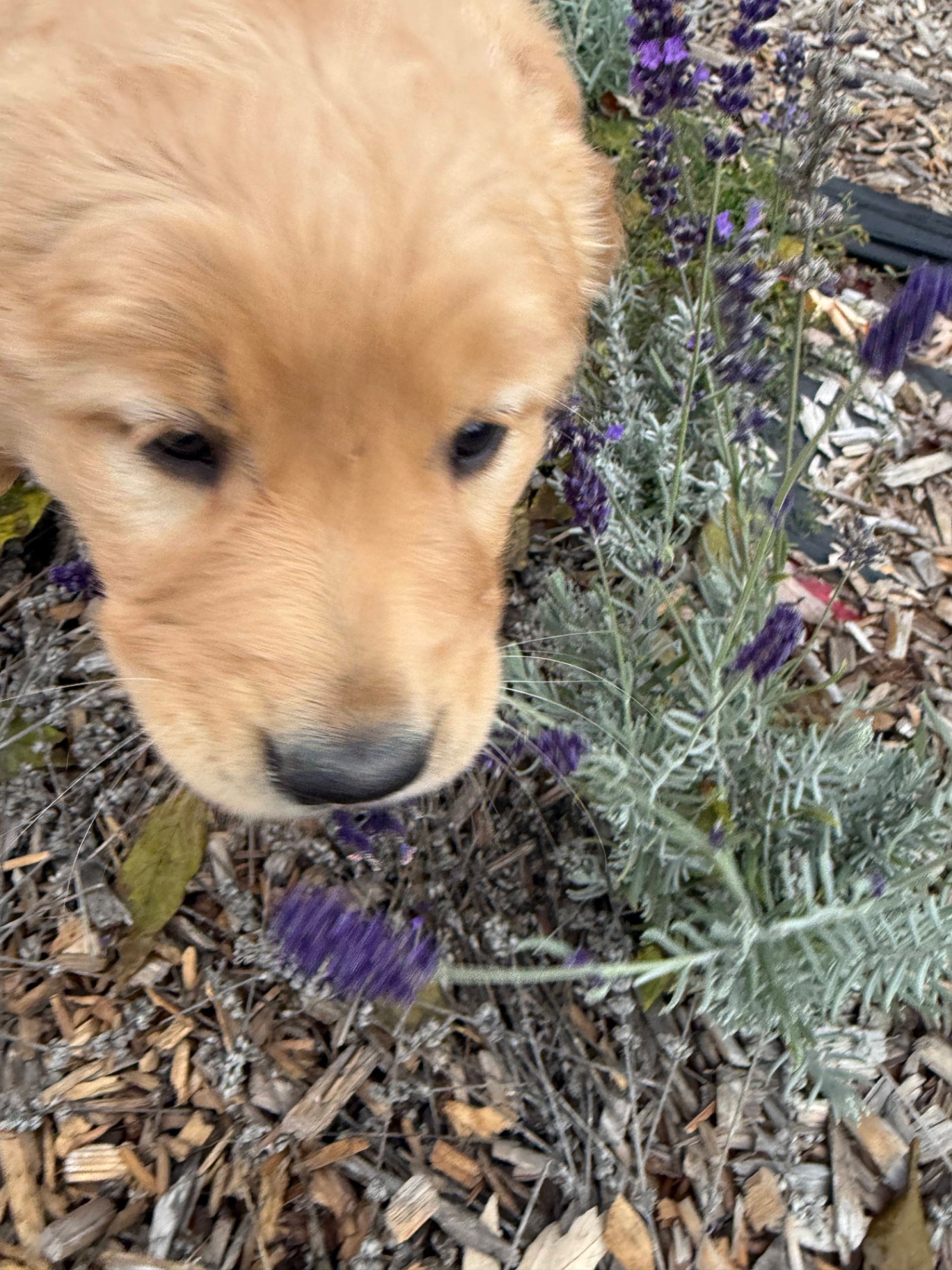
Beyond the Bowl: Rotating the Environment
Rotation isn't just about food; it’s about the brain. Have you ever noticed your dog gets a little "bored" with their backyard? For our dogs in the Boring and Gresham area, the environment matters immensely.
Canine cognitive dysfunction is a real concern as dogs age. One of the best ways to keep their minds sharp is through environmental enrichment, specifically, rotating the stimulus. In our daycare program, we don’t just let the dogs sit in one yard all day. We rotate them between different areas:
The Sensory Garden: Where they can sniff lavender and mint (which are calming and stimulating).
The Gravel Play Yard: For high-energy wrestling and social play.
The Grassy Lounging Areas: For those much-needed afternoon naps in the Oregon sun.
This rotation prevents "habituation", the fancy scientific term for when a dog stops responding to their environment because it never changes. When we move a pup from the sensory garden to the play yard, their brain has to "re-map" the space, which provides incredible mental exercise. It’s why so many of our clients tell us their dogs come home from Green Acres not just physically tired, but deeply relaxed.

The "Flavor Fatigue" Factor
We’ve all seen it: the "picky eater." Usually, a picky eater isn't trying to be difficult; they’re experiencing flavor fatigue. From an evolutionary standpoint, wild canids didn't eat the same thing every day. They were opportunistic hunters.
By introducing a rotating care schedule that includes different proteins (like switching from beef to salmon or lamb), you’re mimicking a more natural biological cycle. Salmon, for instance, provides those crucial Omega-3 fatty acids for skin health, while lamb is often gentler on the digestive tract.
We’ve found that even subtle changes in a dog's daily routine can drastically improve their mood. If your dog seems "blah" about their kibble, science suggests that a gradual rotation could be the key to reigniting that mealtime excitement.
The Science of Social Rotation
Socialization is another area where rotation is key. While it’s great for your dog to have a "best friend," relying on only one social partner can lead to over-attachment or even a decline in social skills.
In our Gresham-area facility, we emphasize safe socialization through variety. We carefully match playgroups by size and temperament, but we also ensure dogs get to interact with different "personalities." This teaches them how to read a wide range of canine body language. It's like sending your child to a school with a diverse group of kids, it builds a more well-rounded, confident individual.
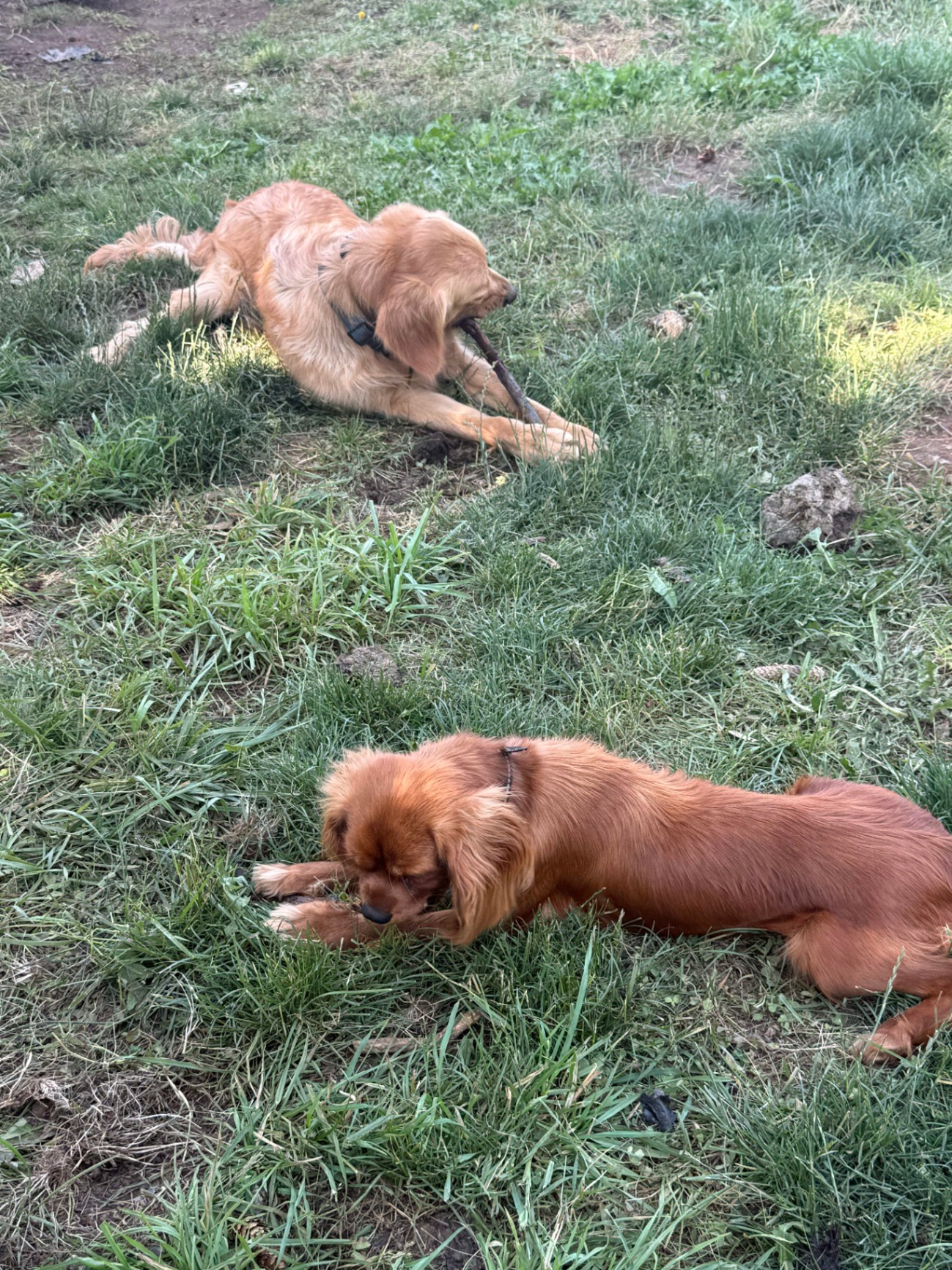
Hands-On Care: What We Do Every Day
I’ll be honest with you: implementing a rotating schedule is a lot of work. It’s much easier to just pour the same food and open the same door every day. But at Green Acres, we don’t do "easy." We do what’s right for the dogs.
Every morning, our team checks the schedules. We look at who is playing with whom, which yards need a fresh set of toys, and whose diet is ready for a scheduled "topper" change. I personally spend time ensuring our digital tracking for these rotations is foolproof because we believe that holistic dog care requires both a big heart and a precise mind.
Whether it's cleaning the water bowls for the third time that day or documenting a dog’s preference for the lavender bushes over the rosemary ones, we are invested in the tiny details. We treat your K-9 family members like they are our own, and believe me, my own pups have a very strict (and very loved) rotation of their own!
Home Integration Tip: The "Toy Box Swap"
You don’t need a 5-acre resort to start a rotating care schedule today. Here is a simple, science-backed way to integrate this at home:
The Toy Rotation: Don’t leave all your dog's toys out at once. Pick three or four and put the rest in a bin in the closet. Every Sunday, swap the "active" toys with the "closet" toys. Because the "new" toys have a different scent and feel, your dog’s brain will treat them as brand-new items. This provides instant mental enrichment without spending a dime. It’s a great way to keep your pup engaged while you’re busy with work or chores around the house here in Boring.
Final Thoughts
Is a rotating care schedule "necessary"? Your dog can survive without it. But if you want them to thrive, to have a robust immune system, a sharp mind, and a joyful spirit, the science points clearly toward variety.
At Green Acres K-9 Resort, we’re proud to provide that variety in a safe, caring, and professional environment. We know how much you love your dog because we feel the same way about ours. If you’re ever curious about how we manage our rotations or want to see our sensory gardens in action, come by and say hello! We’re always happy to chat with our neighbors about the dogs we all love so much.
Bibliography & Peer-Reviewed Sources
Hemida, M. B., et al. (2021). "Early life programming of the dog’s gut microbiome and its impact on adult health." Journal of Animal Science and Biotechnology.
Manteca, X. (2016). "Environmental Enrichment for Dogs: The Science of Wellbeing." Veterinary Clinics: Small Animal Practice.
Proot, P., et al. (2004). "Dietary variety and its effect on food intake and health in domestic dogs." Journal of Nutrition.
Milgram, N. W., et al. (2005). "Learning ability in aged beagle dogs is preserved by dietary enrichment and mental stimulation." Neurobiology of Aging.
Becker, N., et al. (2012). "Effects of dietary protein rotation on the incidence of canine food allergies." Veterinary Immunology and Immunopathology.
Comments