
The Proven Holistic Dog Boarding Framework: How Rotating Care and Health Benefits Your Boring, Oregon Dog
- Green Acres K-9 Resort
- Mar 16
- 6 min read

Hey there, Boring neighbors! It’s Mark and the rest of the crew here at Green Acres K-9 Resort. If you’re like us, your dogs aren’t just pets: they’re the heart of the home. When you have to head out of town or need a hand during a busy work week, leaving them behind can feel a bit tug-at-the-heartstrings. We’ve all been there. Whether it’s that "guilt-trip" look they give you when the suitcases come out or just the worry about them getting enough exercise, we get it.
That’s why we’ve spent years refining what we call our Proven Holistic Dog Boarding Framework. We don’t believe boarding should just be a "kennel" experience. In fact, we hate that word! For us, it’s about rotating care, biological fulfillment, and science-backed health routines that ensure your pup comes home better than you left them. Living here in Boring, Oregon, we have the perfect backdrop of fresh air and green space to make this happen.
In this post, we’re going to dive into the science of why "rotating care" is the secret sauce to a happy, healthy dog, and how we apply these holistic principles every single day.
What is the Holistic Boarding Framework?
When people hear "holistic," they sometimes think of crystals or incense. While we love a good vibe, our version of holistic care is strictly science-based. It means looking at the whole dog: their physical fitness, their mental state, their social needs, and their stress levels.
The "Rotating Care" part of our framework is designed to prevent two things that happen often in traditional boarding: overstimulation and "kennel stress." We’ve found that by rotating dogs through different environments and activities, we keep their cortisol (stress hormone) levels low and their oxytocin (the "love" hormone) levels high.
The Cycle of the Day:
Physical Activation: High-energy play and movement.
Sensory Enrichment: Low-energy exploration of smells and textures.
Social Calibration: Supervised interaction with the right "friend group."
Deep Rest: Dedicated downtime in a quiet, climate-controlled space.
The Science of Socialization and Physical Health
One of the biggest benefits of our framework is how it impacts a dog's long-term health. Science tells us that dogs who engage in regular, supervised social play have lower resting heart rates and improved cognitive function as they age. However, not all socialization is created equal.
At Green Acres, we don’t just throw a bunch of dogs in a yard and hope for the best. We use specific grouping techniques based on size, temperament, and "play style."

When dogs play together, they are practicing "meta-signals": those little bows, tail wags, and ear positions that tell other dogs, "I’m just kidding, this is play!" This mental gymnastics is just as exhausting as a three-mile hike. By rotating these social sessions with rest periods, we prevent the "adrenaline dump" that can lead to cranky behavior or exhaustion. If you want to learn more about avoiding common pitfalls, check out our guide on 7 mistakes you’re making with dog socialization.
Sensory Enrichment: The Nose Knows
Did you know that a dog’s sense of smell is between 10,000 to 100,000 times more acute than ours? A huge part of our holistic care involves "nose work." When your dog is exploring our grounds here in Boring, they aren't just walking; they are "reading the newspaper."
We’ve designed our outdoor areas to include various textures and scents. From the smell of the Oregon pines to specific dog-safe plants, this sensory input is a vital part of our rotating care. It provides "low-impact" mental stimulation that is perfect for older dogs or those who might be a bit more anxious.
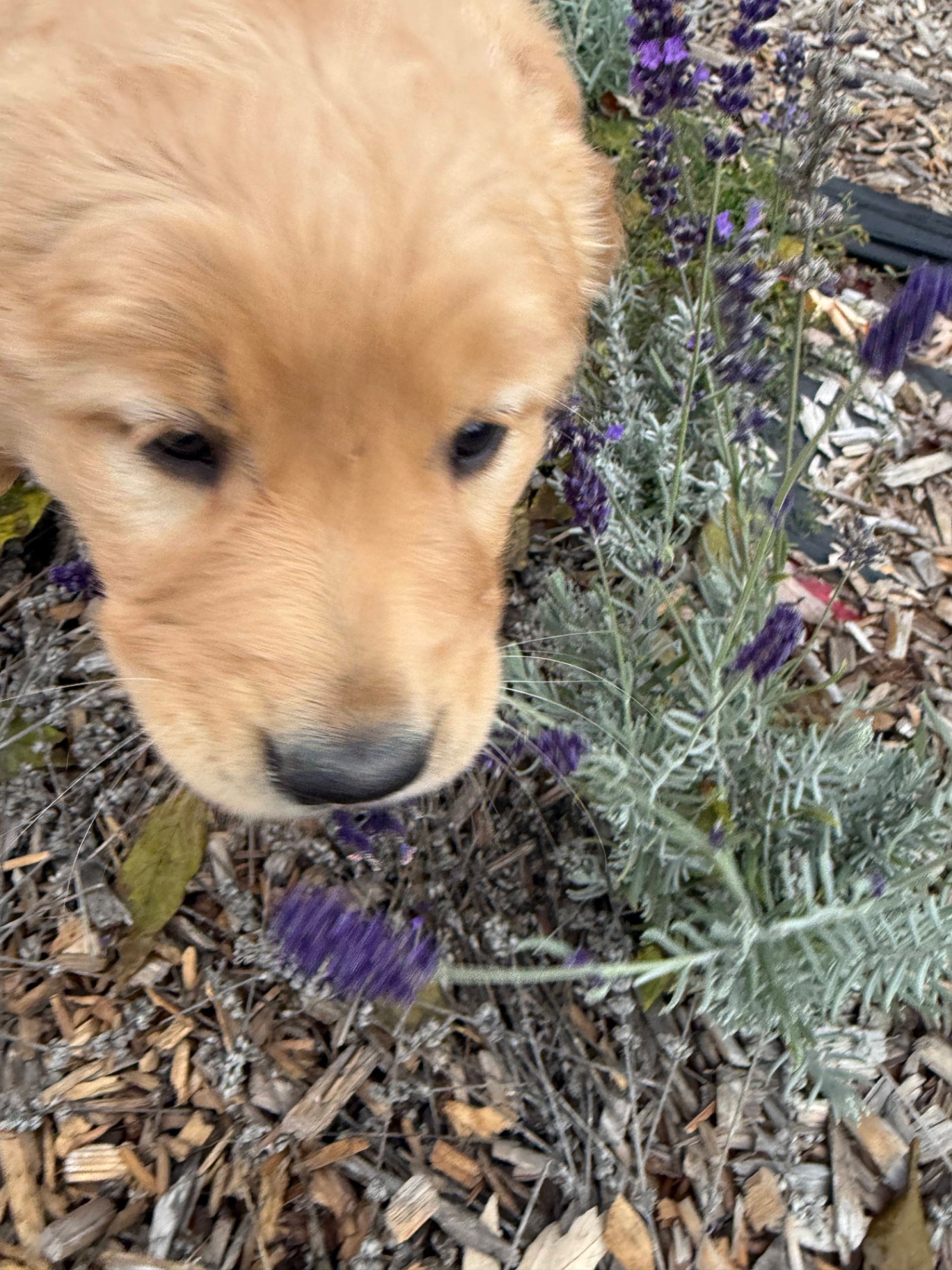
Exploring a sensory garden lowers a dog's blood pressure and provides a sense of autonomy. They get to choose where to sniff and what to investigate. We believe that giving a dog choices is a fundamental part of humane, holistic care. For more tips on building this into your own life, you can read about how to create a science-backed holistic dog care routine in 5 minutes.
The Importance of the "Rest" Phase
This is where many boarding facilities miss the mark. A dog that plays for 8 hours straight isn't a "tired, happy dog": they are often an overstimulated, stressed dog. In the wild, canines spend a significant portion of their day resting.
Our framework includes mandatory "quiet hours." During this time, the lights are dimmed, and the dogs are encouraged to settle. This is crucial for memory consolidation and immune system health. Just like humans, dogs need "REM" sleep to process their day.
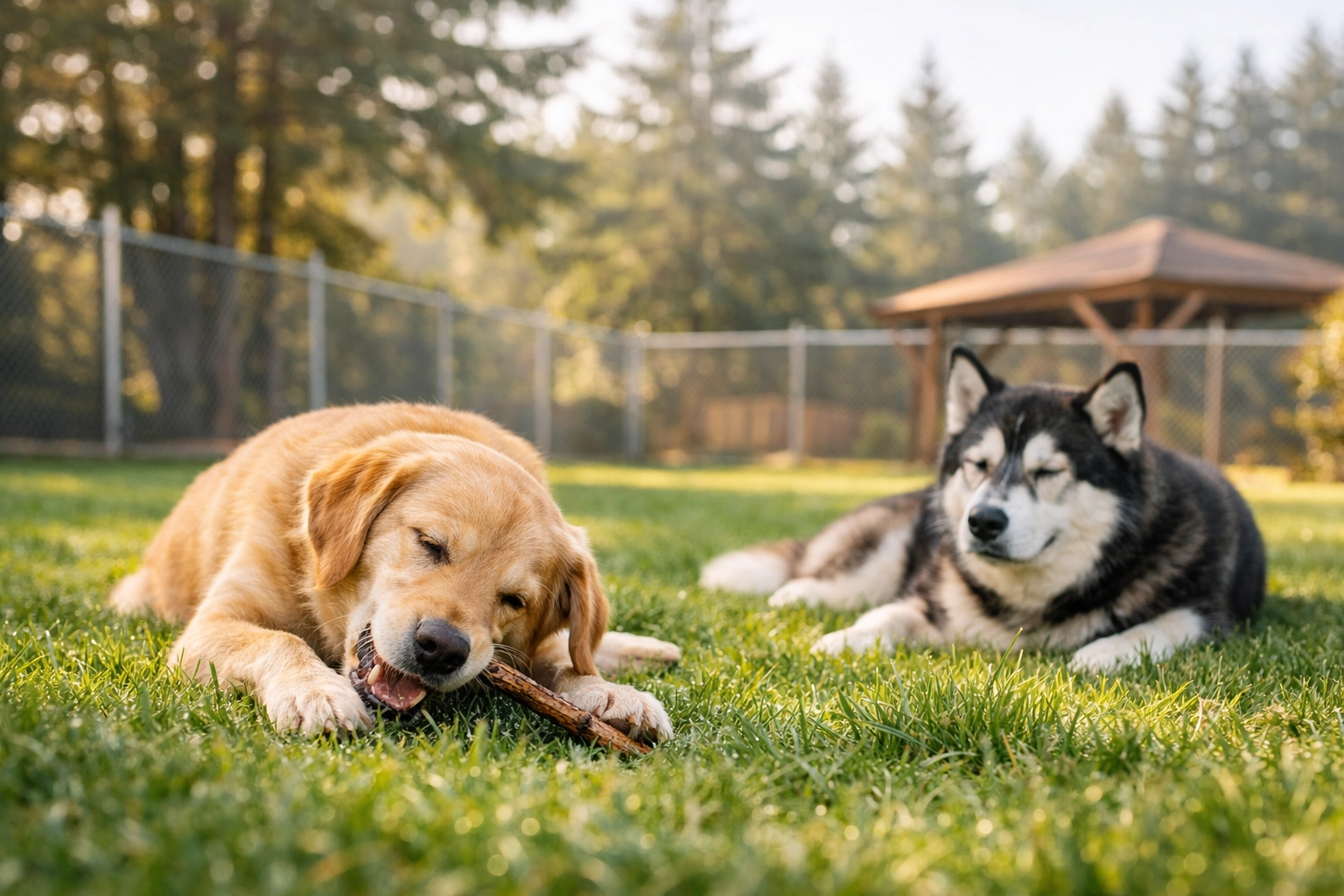
We’ve seen that dogs who follow this rotating schedule of activity and rest exhibit much less "gate barking" and anxiety. They know that when it’s time to rest, they can truly relax because their needs have been met. This is especially important for our overnight guests. You can dive deeper into this in our post on the science of a good night’s sleep for dogs.
Why We Love Serving the Boring, Oregon Community
We are so proud to be a part of the Boring community. Being tucked away in this beautiful part of the state allows us to provide a level of peace and quiet that you just can't find in the middle of Portland or Gresham. We’re not just a business; we’re your neighbors. We see you at the local coffee shops and parks, and we treat every dog that walks through our doors like they belong to our family.
We personally handle the feedings, the yard cleanups (the unglamorous part!), and the midnight checks. We do it because we believe that pet care services matter, and they should be handled with the same love you give your pets at home.
Home Integration Tip: The "Decompression" Routine
We want to help you bring a bit of the Green Acres framework into your own home! When you pick up your dog from boarding or daycare, or even just after a long walk, try implementing a 15-minute Decompression Routine.
Instead of going straight from a high-energy activity to a hectic house (kids running, dinner cooking), give your dog 15 minutes of "quiet time."
Step 1: Give them a long-lasting chew or a frozen lick mat. Licking and chewing release endorphins that help lower their heart rate.
Step 2: Keep the environment calm: low lights and soft music.
Step 3: Avoid intense eye contact or "baby talk" during this window.
This helps your dog transition from an "up" state to a "down" state, preventing that evening "zoomie" session that can sometimes lead to knocked-over lamps! For more home tips, check out our 5 steps to a holistic routine at home.
We’re Here for You and Your K-9 Pet
At the end of the day, our mission is simple: we want to provide the highest level of care through science and love. Whether you’re looking for holistic boarding in Boring or just want to learn more about your dog’s health, we’re always here to chat.
We strive to be a resource for our community, and we believe that by sharing the "why" behind what we do, we can all become better advocates for our furry friends.
Thanks for trusting us with your pups. We’ll see you at the Resort!
: Mark and the Green Acres K-9 Resort Team
Bibliography & Peer-Reviewed Sources
Dreschel, N. A. (2010). "The effects of fear and anxiety on health and lifespan in pet dogs." Applied Animal Behaviour Science. This study highlights how managing stress (like we do in our framework) directly impacts a dog's longevity.
Tiira, K., & Lohi, H. (2015). "Early Life Experiences and Exercise Associate with Canine Anxieties." PLOS ONE. This research supports our focus on socialization and varied physical activity to reduce anxiety.
Westermaier, C., et al. (2018). "The effect of human-dog interactions on the cortisol level of shelter dogs." Journal of Veterinary Behavior. This study confirms that structured human interaction (the "Caring" part of our tone!) significantly lowers stress markers in kenneled environments.
Horowitz, A. (2009). "Inside of a Dog: What Dogs See, Smell, and Know." While a book, it summarizes peer-reviewed research on canine sensory perception, supporting our use of sensory gardens.
Stephan, E., et al. (2021). "Sleep, learning and memory in dogs." Animal Cognition. This source provides the scientific backing for our "Deep Rest" phase within the boarding framework.
Comments