
Why Rotating Socialization Will Change the Way You View Dog Daycare in Gresham
- Green Acres K-9 Resort
- Mar 29
- 5 min read

Hey there, neighbors! It’s Mark Griffin here from Green Acres K-9 Resort. If you’re reading this on a quiet Sunday morning in Boring or while grabbing a coffee over in Gresham, you probably know exactly what I’m talking about when I say our dogs aren’t just "pets", they are the heartbeat of our homes.
At Green Acres, we spend our days knee-deep in wagging tails and happy barks. As a "Helper" here, my job involves everything from filling water bowls to observing the subtle "language" of a playgroup. One thing we’ve realized over the years is that the old-school model of dog daycare, where you just drop twenty dogs in a room and hope they have fun for eight hours, is outdated. In fact, science tells us it might even be doing more harm than good.
That’s why we are so passionate about Rotating Socialization. It sounds fancy, but it’s actually a very natural, science-backed way of letting dogs be dogs without the stress of "over-partying." Today, I want to dive deep into why this method is a game-changer for your furry family members.
The Myth of the "All-Day Play"
We’ve all been there: you pick up your dog from daycare, and they are absolutely zonked. They sleep for twelve hours straight, and you think, "Wow, they must have had a blast!" While they certainly were active, that level of exhaustion is often more about mental and physical "shut down" than healthy tiredness.
In a traditional high-volume daycare, dogs are often forced into a state of hyper-arousal. Imagine being at a loud, crowded wedding reception for eight hours straight without a single break. Even if you love your friends, by hour four, you’re probably looking for the exit. For dogs, this constant stimulation keeps their cortisol (the stress hormone) levels spiked. When a dog’s cortisol stays high for too long, it can lead to irritability, a weakened immune system, and even behavioral regressions at home.
What is Rotating Socialization?
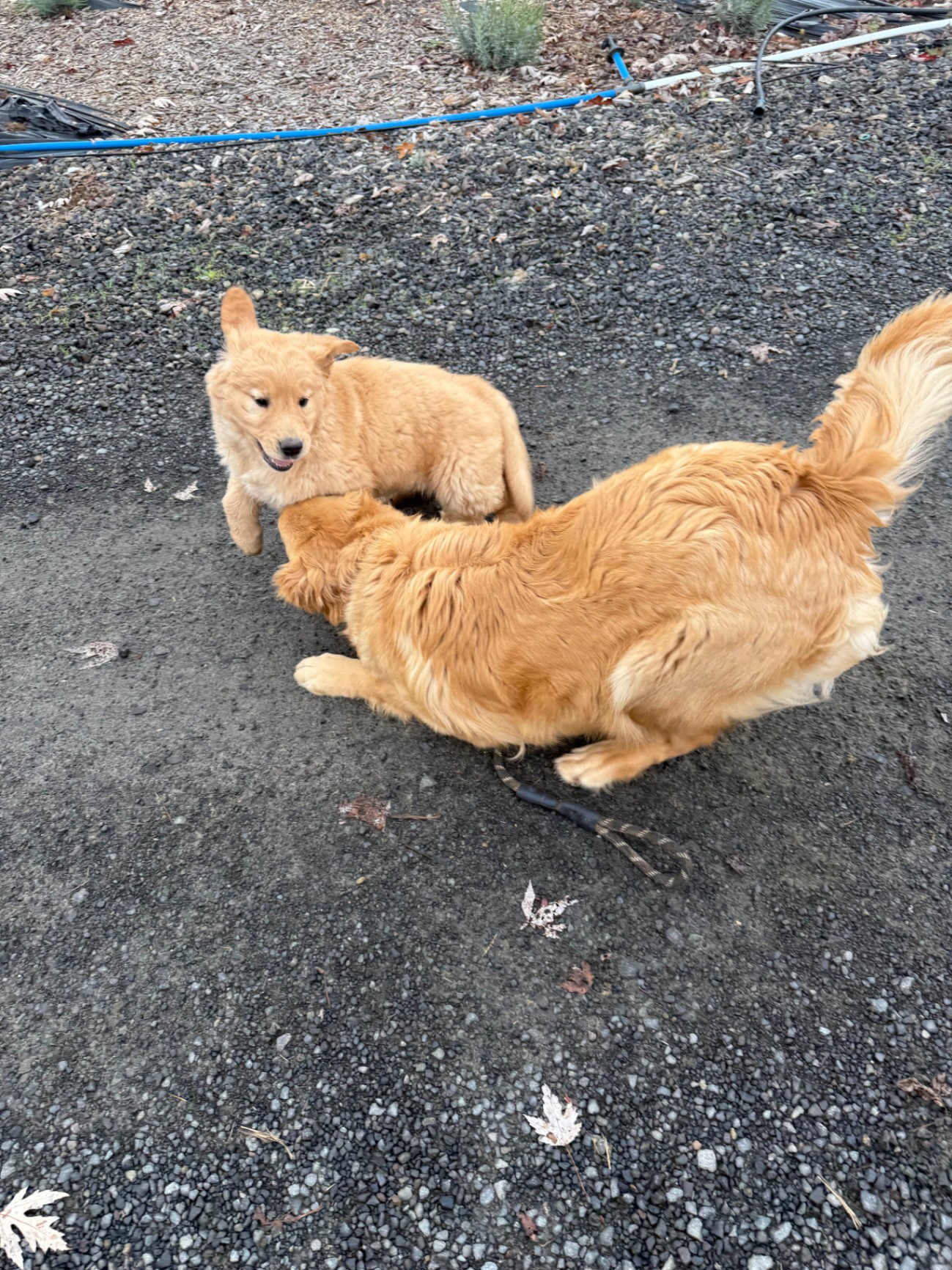
Rotating Socialization is our answer to the "free-for-all" chaos. Instead of one giant group, we curate small, compatible "micro-groups" that rotate through different activities throughout the day. We balance high-energy play with structured rest, individual nose-work, and sensory exploration.
By rotating the environment and the social circle, we mimic the way wild canines or even farm dogs (like the ones we see around Boring!) naturally interact. They play, they explore a new scent, they nap, and they check in with their "pack leaders" (us!). This variety keeps their brains engaged without blowing a fuse.
You can learn more about how this structure specifically helps with behavior in our guide on how to master safe socialization and play.
The Science of "Quality Over Quantity"
When we talk about socialization, we aren't just talking about "making friends." We are talking about neurological development. Peer-reviewed research in canine behavior suggests that "Environmental Enrichment" (changing the surroundings and challenges) is far more effective at building a confident dog than mere "Social Exposure" (just being around other dogs).
A study published in the Journal of Veterinary Behavior highlighted that dogs in environments with high social density and low structure showed significantly higher levels of salivary cortisol. By contrast, dogs that were given "recovery periods" and rotated through different stimuli showed better cognitive function and lower anxiety levels.

At Green Acres, we see this science in action every day. When we rotate a group from the grassy yard to a more structured indoor area, or from a game of "follow the leader" to a quiet rest in a private suite, we are helping their nervous systems regulate. This is why a dog coming home from Green Acres usually feels "relaxed-tired" rather than "strung-out-tired." It’s also a huge part of why we believe holistic dog care is the ultimate solution for our Boring residents.
Why This Matters for Gresham and Boring Dog Owners
Living in the Boring and Gresham area, we have access to beautiful trails and parks. However, our local weather (hello, Oregon rain!) means many dogs spend a lot of time indoors during the winter. When they finally get to go to daycare, there’s a temptation to let them "run it out" all day.
But our community values a more grounded, thoughtful approach to life. We treat our dogs like family because they are family. We want them to have the best social skills possible so they can join us at the local brewery or on a hike at Oxbow Regional Park without being reactive or over-stimulated. Rotating socialization builds that "social muscle" carefully and correctly.
Personal Touches: Why We Do the Hard Work
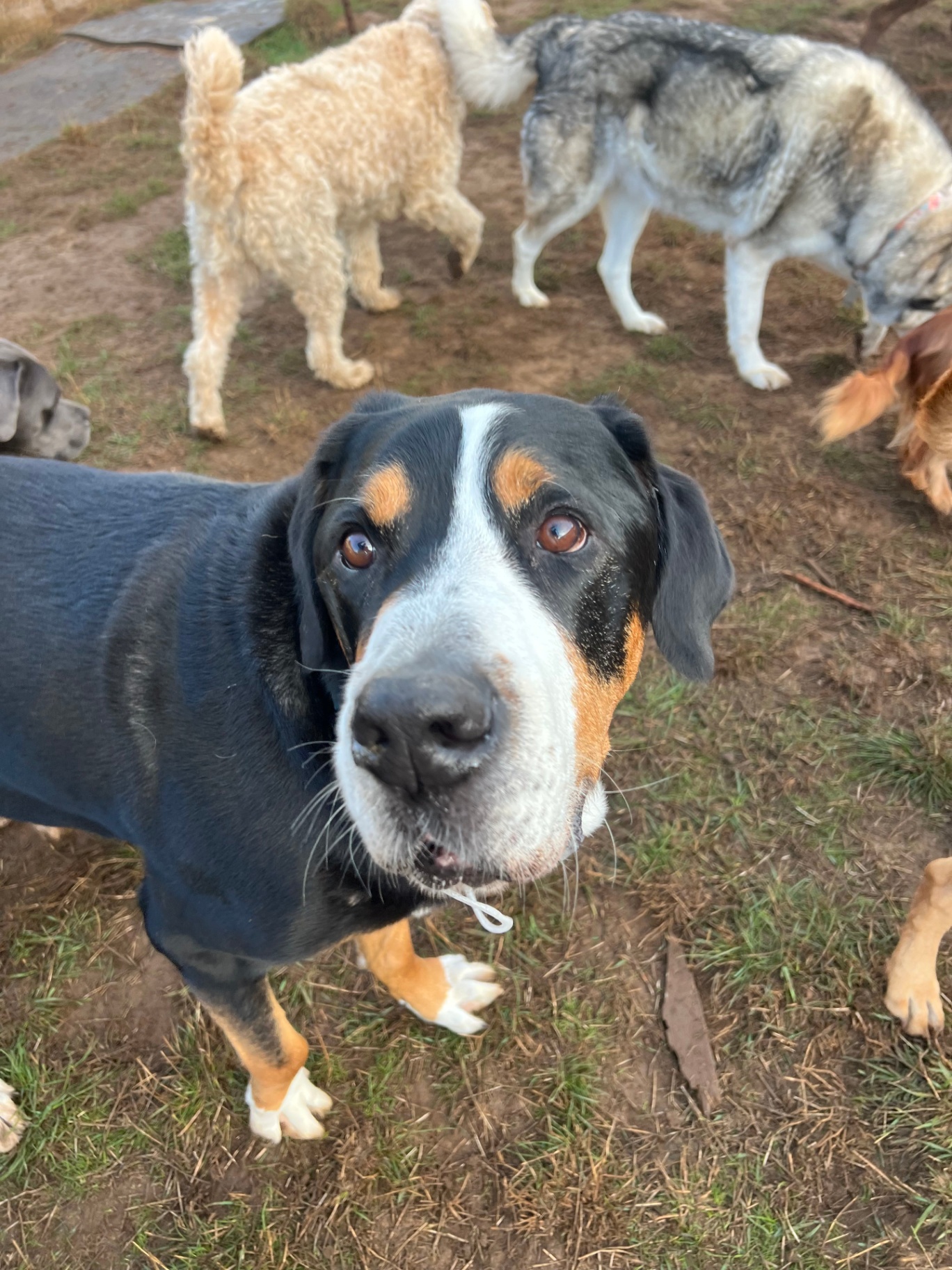
I’ll be honest with you: running a rotating socialization program is a lot more work for us than just watching one big group. It requires constant monitoring, moving gates, cleaning different areas, and knowing every dog’s personality inside and out. But we do it because we care. We believe that every dog is an individual with their own "social battery."
My own kids and our family pets have taught me that everyone needs a break sometimes. Whether it’s a shy puppy learning the ropes or a senior dog who just wants to sniff the grass in peace, we make sure they get exactly what they need. We don't just provide a service; we provide a sanctuary. If you’re curious if this approach is right for your pet, check out our post on the science-backed truth about dog daycare.
Home Integration Tip: Creating a "Rotation" at Home
You don't have to be at Green Acres to use the principles of rotating socialization! To help your dog stay balanced at home, try "Activity Rotation."
The Tip: Instead of leaving all your dog’s toys out in a big basket, divide them into three sets. Only leave one set out for two days, then rotate it for the next set. Pair this with a "rotation" of your walking route. On Monday, do a "sniff-walk" (let them lead with their nose). On Tuesday, do a "training-walk" (focus on heel and pace). This variety mimics the rotating enrichment we do at daycare and keeps their brain sharp without the stress of boredom or over-excitement.
Our Promise to You
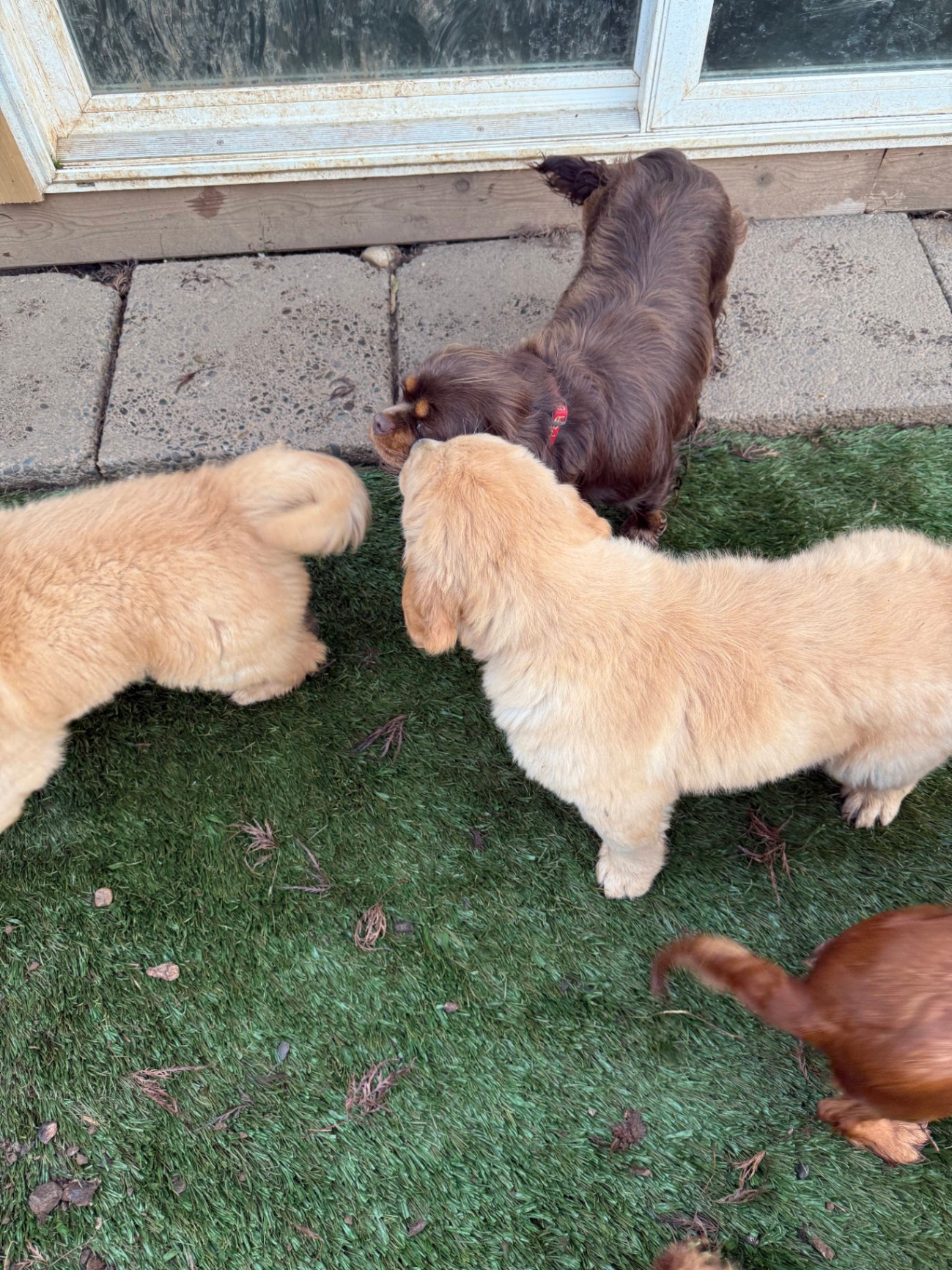
We aren't just a business in Boring; we are your neighbors. We strive to create an environment where your dog feels as safe and loved as they do on your own living room rug. By focusing on the science of play and the necessity of rest, we’re changing the way Gresham views dog daycare. It’s not just a place to "put" your dog; it’s a place for them to grow.
If you ever have questions about how your pup is doing or want to see our rotating yards in action, just ask! We love talking shop, and we love your dogs even more.
Stay wagging, Mark Griffin & The Green Acres K-9 Resort Team
Science-Based Bibliography
Rooney, N. J., & Cowan, S. (2011).Training methods and owner–dog interactions: Links with dog behaviour and learning ability. Applied Animal Behaviour Science. (Discusses the impact of structured interaction vs. unstructured environments).
Overall, K. L. (2013).Manual of Clinical Behavioral Medicine for Dogs and Cats. Elsevier Health Sciences. (Details the physiological impact of cortisol and the importance of "reset periods" in social settings).
Tiffani, J. H., et al. (2017).The effects of environmental enrichment on the behavior of kenneled dogs. Journal of Veterinary Behavior. (Explains how rotating stimuli reduces stereotypic behaviors and stress).
Bekoff, M. (2001).Social Play Behavior: Cooperation, Fairness, Trust, and the Evolution of Morality. Journal of Consciousness Studies. (The foundational science on how dogs use play to build social "rules").
Shay Kelly (2019).Canine Enrichment: The Science of Keeping Your Dog Happy. (A comprehensive look at why variety in socialization prevents canine burnout).
Comments